


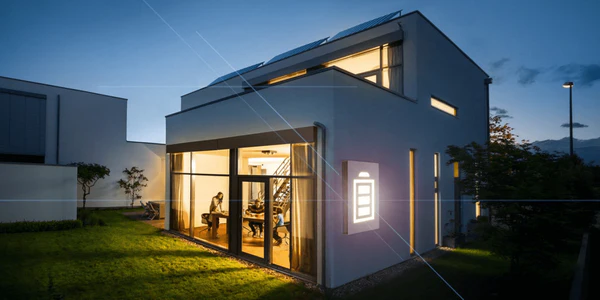
The global energy landscape is undergoing a massive, historic transformation. Across the world, homeowners are confronting a challenging mix of rapidly climbing utility rates, an overtaxed public infrastructure, and an increase in severe weather events that trigger prolonged blackouts. In response to these modern vulnerabilities, the concept of the smart home has expanded past automated lighting and connected security cameras to encompass decentralized, self-sustaining power loops. At the center of this movement is the Residential Energy Storage System (RESS).
Far more than a simple battery setup, these highly sophisticated systems act as the intelligent bridge between alternative energy generation and domestic electrical security. Whether your goal is to break free from utility dependency, reduce your carbon footprint, or insulate your family from unexpected blackouts, an advanced storage solution is the ultimate tool for achieving true energetic liberation. In this detailed guide, we will break down the core technology, financial advantages, and critical selection criteria required to optimize your home for next-generation power independence.
Deconstructing the Residential Energy Storage System
To fully appreciate why homeowners are flocking to residential storage solutions, it helps to understand how traditional household configurations operate. Historically, rooftop solar panels operated on a strict “use-it-or-lose-it” basis. If your solar array produced excessive power during peak mid-day hours when the house was empty, that surplus energy was pushed back into the municipal grid—often for minimal financial credit. When your consumption spiked in the evening, you were forced to buy expensive power back from the utility company.
A modern residential energy storage system corrects this operational inefficiency. By serving as an active digital vault, the system captures excess power as it is generated, holding onto those kilowatt-hours until your home truly needs them. This creates a beautifully optimized closed-loop system where no watt of clean energy is ever wasted.
Outstanding Technical and Practical Benefits
Investing in a residential backup array provides a broad spectrum of lifestyle upgrades that fundamentally alter how your household consumes electricity.
Uninterrupted Emergency Power Isolation
For many property owners, the initial motivation to install a storage system is safety during sudden localized emergencies:
Seamless Grid Disconnection: When a major storm or infrastructure failure triggers a blackout, the system detects the voltage drop instantly and isolates your property from the utility lines.
Continuous Appliance Operation: The internal automatic transfer switch shifts the home onto battery power so rapidly that sensitive digital gear, internet routers, and medical appliances run without a single hiccup.
True Long-Term Resilience: Because the batteries can recharge directly from active solar generation during the day while simultaneously running the home, your property can survive extended grid failures indefinitely.
Outsmarting Time-of-Use Utility Pricing
Many utility providers now use predatory Time-of-Use (ToU) billing structures, meaning electricity costs spike dramatically during specific peak evening hours.
Smart Peak Shaving: You can program your storage system to charge early in the morning when grid rates are lowest, or rely exclusively on daytime solar power.
Automated Discharge Cycles: When peak utility hours arrive, the system automatically stops pulling from the grid and runs your heavy appliances off stored battery power, drastically reducing your monthly overhead.
Radical Reduction in Environmental Footprint
While traditional backup options like diesel or gas generators generate heavy carbon emissions and noise pollution, a clean lithium-ion battery system operates in absolute silence with zero emissions. By maximizing your consumption of locally generated solar power, you actively shrink your reliance on fossil-fuel-burning utility plants, contributing directly to a cleaner community ecosystem.
Pro-Tip for Optimizing Your Clean Energy ROI To extract the absolute maximum value from your storage architecture, align your highest electrical demands with peak mid-day sunshine. Programming heavy appliances like electric vehicle chargers or pool pumps to run between 11:00 AM and 2:00 PM allows the system to channel raw solar electricity directly into those loads, keeping your central battery reserve completely full and ready to handle the night for free.
Selecting the Right Battery Chemistry and Architecture
As you research the right system for your property, you will encounter various technical choices. Selecting the ideal setup requires evaluating your space, consumption profile, and overall expansion plans.
Lithium Iron Phosphate (LiFePO4) vs. Traditional Lithium-Ion
The dominant choice for premium modern installations is Lithium Iron Phosphate (LiFePO4). Compared to older chemistries used in smartphones and early electric vehicles, LiFePO4 chemistry delivers an exceptionally high thermal stability, eliminating the risk of overheating. Furthermore, these heavy-duty units can endure thousands of deep charge and discharge cycles over a decade of continuous service without experiencing significant performance loss.
AC-Coupled vs. DC-Coupled Systems
DC-Coupled Architecture: Best for brand-new installations where solar panels and batteries are put in simultaneously. Power flows directly from the panels to the battery without unnecessary conversion steps, maximizing overall system efficiency.
AC-Coupled Architecture: The premier choice for retrofitting a battery storage system onto an existing, pre-installed solar array. It allows for quick installation into your current electrical panel without requiring complex rewire adjustments to your solar inverter.
Remote Monitoring and AI-Driven Automation
We live in an era of connected devices, and your domestic utility infrastructure should be no exception. Modern residential storage arrays come equipped with cloud-connected dashboards accessible via smartphone apps or web portals.
This tracking software grants total visibility over your home’s energetic footprint. You can view live production metrics, track exactly how much energy you have stored, and trace historical usage data to spot power-hungry appliances. Advanced systems utilize predictive AI algorithms that analyze incoming weather forecasts; if a severe storm is predicted to hit your zip code, the system will automatically pre-charge your batteries to 100% capacity from the grid as a defensive safety measure.
Conclusion
A modern residential energy storage system is no longer a futuristic novelty; it is a vital, common-sense pillar of the resilient home. By blending advanced battery chemistry, rapid blackout protection, and intelligent scheduling software designed to defeat fluctuating utility pricing, these systems place complete energetic control back where it belongs: in your hands.
As the global energy infrastructure continues to face systemic challenges, ensuring your home remains independent, eco-friendly, and fully powered is a vital priority. At Linio Tech, we are dedicated to engineering premium, high-efficiency residential storage solutions that secure your family’s future, lower your cost of living, and illuminate a cleaner way forward. Investing in a resilient energy system is an investment in long-term peace of mind, ensuring your household remains safe, comfortable, and self-sufficient for the decades ahead.
