


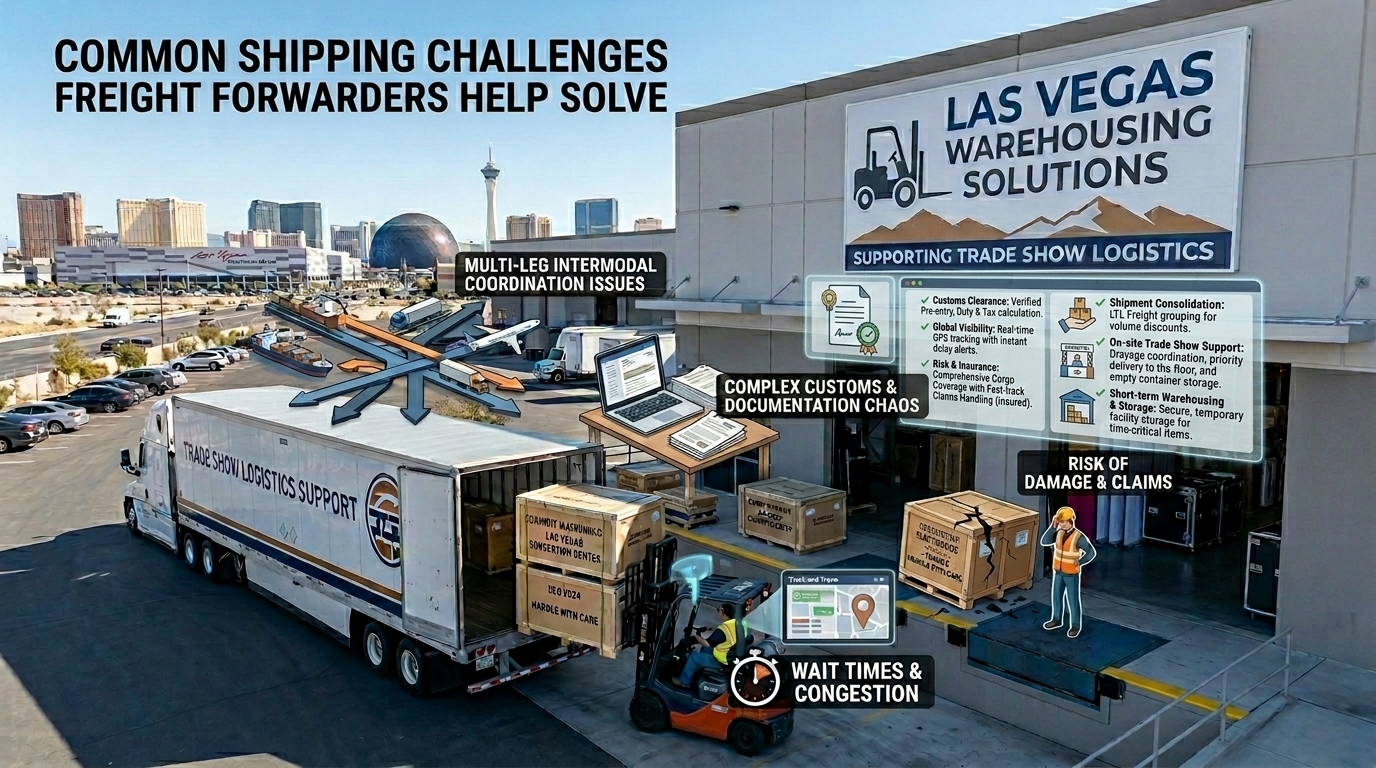
Shipping products may sound straightforward, but the process often becomes complicated once transportation, warehousing, paperwork, and delivery schedules are involved. Businesses regularly face delays, missing documents, damaged freight, and communication issues while managing shipments.
This is where freight forwarders help. They coordinate shipping activities, organize transportation, and reduce problems that can interrupt deliveries.
For businesses moving goods across states or countries, logistics support helps keep shipments organized and on schedule.
Why Shipping Problems Happen
Modern shipping involves several moving parts. A shipment may pass through warehouses, trucking companies, ports, and customs checkpoints before reaching its destination.
Because multiple parties are involved, small mistakes can quickly create larger delays. A missed loading appointment or incorrect document can affect the entire shipment timeline.
Freight forwarders help businesses manage these steps more efficiently by coordinating transportation and monitoring shipments throughout the process.
Delayed Deliveries
Delivery delays are one of the most common logistics problems businesses face. Weather conditions, traffic, port congestion, and scheduling conflicts can all slow shipments down.
Freight forwarders reduce these risks by planning routes carefully and communicating with carriers during transit. If delays happen, they help adjust schedules and update delivery plans quickly.
For example:
| Shipping Stage | Common Issue |
| Pickup | Missed loading times |
| Transit | Weather or traffic delays |
| Delivery | Warehouse congestion |
This coordination helps businesses avoid unnecessary disruptions.
Customs and Documentation Issues
International shipments require accurate paperwork. Even small errors in customs forms or invoices can hold cargo for days.
Freight forwarders help businesses prepare shipping documents correctly before freight reaches customs checkpoints. This lowers the risk of delays, penalties, and additional storage costs.
For companies new to international shipping, this support is especially useful because customs procedures can become difficult to manage without experience.
Communication Gaps Between Shipping Partners
A single shipment often involves multiple companies. One provider may handle trucking while another manages warehouse storage or international freight.
Without coordination, businesses can struggle to track shipments or receive accurate updates.
Freight forwarders act as central communication points between transportation providers, warehouses, and customers. This simplifies the process and improves shipment visibility.
Instead of contacting several vendors separately, businesses can manage updates through one logistics partner.
Damaged Freight During Transit
Freight can become damaged if it is packed incorrectly or handled too many times during transportation.
Products such as electronics, displays, and fragile commercial goods are especially vulnerable during long-distance shipping.
Freight forwarders help reduce damage by organizing safer packaging methods and coordinating loading procedures. Some also arrange inspections before delivery to confirm shipment conditions.
This extra oversight helps businesses avoid replacement costs and delivery problems.
Warehouse and Storage Challenges
Not all shipments move directly to customers. Some need temporary storage before final delivery.
Without proper warehouse coordination, businesses may face inventory confusion, delayed unloading, or overcrowded storage areas.
Freight forwarders often work closely with warehouse facilities to organize delivery schedules and inventory movement. This becomes especially important during trade shows, seasonal demand increases, or large commercial shipments.
Managing Time-Sensitive Shipments
Some deliveries must arrive within strict deadlines. Trade show materials, event equipment, and retail inventory often depend on precise timing.
Late deliveries can interrupt operations and increase costs.
This is one reason businesses rely on Freight forwarders in Nevada for regional logistics support and convention-related shipping coordination. Freight forwarders help monitor deadlines and adjust transportation plans when unexpected issues appear.
Final Thoughts
Shipping challenges are common in modern logistics because transportation involves multiple steps, providers, and schedules. Delays, paperwork errors, damaged freight, and storage problems can all affect business operations if they are not managed properly.
Freight forwarders help solve these issues by improving coordination, organizing transportation, and reducing communication gaps throughout the shipping process. Their support helps businesses move freight more efficiently while lowering operational stress.
