


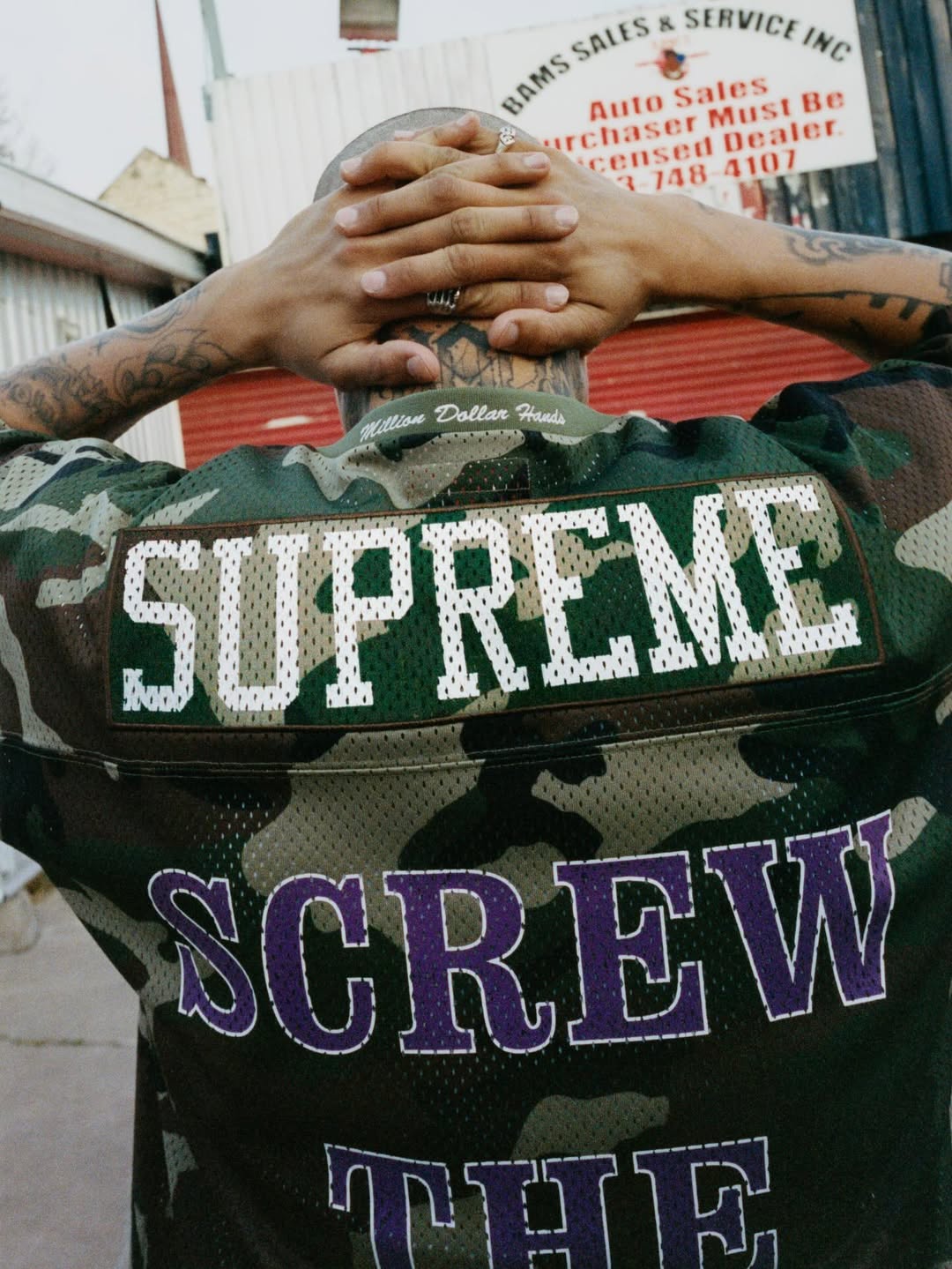
Few pieces in the world of fashion have managed to hold onto cultural relevance the way the Supreme Classic Box Logo Hoodie has. Decade after decade, drop after drop, this hoodie continues to sell out within minutes, spark long lines outside Supreme stores, and command jaw-dropping resale prices online. It is more than a hoodie — it is a statement, a collector’s item, and for many people, a way of life. Whether you are new to streetwear or a seasoned hypebeast with shelves full of heat, understanding this piece is essential.
The Origin Story: How Supreme Built a Legend
Supreme Hoodie was founded in 1994 by James Jebbia in downtown Manhattan, New York City. The brand started as a skate shop aimed at the downtown youth culture — skaters, artists, and rebels who had no interest in what mainstream fashion was selling at the time. From the very beginning, Supreme carried a distinct identity rooted in authenticity, attitude, and a tight-knit community.
The iconic box logo — a bold, white Futura Heavy Oblique font set against a red rectangular background — was inspired by the work of artist Barbara Kruger, whose confrontational text-based art influenced an entire generation of visual designers. Supreme adopted this aesthetic and turned it into one of the most recognizable logos in the world.
The Box Logo Hoodie was a natural extension of this identity. A heavyweight cotton hoodie with the box logo printed or embroidered on the chest became a canvas for that iconic branding, and people immediately responded. Over the years, the hoodie has been released in dozens of colorways, special editions, and collaborative versions — yet the classic remains the one everybody wants.
What Makes It Special: The Design Details
At first glance, the Supreme Classic Box Logo Hoodie might look like a simple garment. It does not have flashy graphics or complex patterns. But that simplicity is exactly what makes it extraordinary.
The hoodie is constructed from premium heavyweight fleece — typically a thick cotton-polyester blend that feels substantial and warm without being stiff. The weight alone sets it apart from the average hoodies you find in department stores. When you hold a genuine Supreme Box Logo Hoodie, you immediately notice the quality in your hands.
The fit is intentionally relaxed and slightly oversized, which has always been part of the Supreme aesthetic. It sits comfortably on the body without being sloppy, giving wearers that effortlessly cool silhouette that streetwear is known for. The ribbed cuffs and hem provide structure, while the kangaroo pocket adds functionality without disrupting the clean design.
The box logo itself is the centerpiece. Whether it appears as a screen-printed graphic or an embroidered patch, it is always crisp, always bold, and always unmistakable. The red and white colorway of the classic version is what most people picture when they think of Supreme, and for good reason — it is timeless.
The Culture Around the Drop
Understanding the Supreme Box Logo Hoodie means understanding how Supreme operates as a brand. Unlike traditional retailers that maintain consistent stock, Supreme releases products in weekly “drops” — limited quantities made available on a specific day, both online and in-store. The scarcity is intentional, and it has turned shopping into an event.
Box Logo Hoodies are among the most anticipated drops of any Supreme season. When a new colorway or edition is announced, excitement builds across social media, forums, and streetwear communities worldwide. On drop day, websites crash, queues stretch around city blocks, and bots flood the online store in the first milliseconds of availability. Most items sell out in under a minute.
This carefully engineered scarcity is a huge part of what makes the hoodie so desirable. People want what they cannot easily have, and Supreme has mastered the art of creating that feeling. The limited supply drives demand, and demand drives culture. Owning a Box Logo Hoodie means you were fast enough, lucky enough, or dedicated enough to get one — and that exclusivity carries real social currency in streetwear circles.
Resale Value: Why People Pay So Much
One of the most fascinating aspects of the Supreme Classic Box Logo Hoodie is its resale market. Hoodies that retail for around $168 to $198 often sell on secondary markets for three, five, or even ten times that amount, depending on the colorway, condition, and rarity.
Certain limited edition Box Logo Hoodies — particularly those tied to major collaborations or milestone anniversaries — have sold for thousands of dollars. The resale economy around Supreme is enormous, with dedicated platforms, resellers, and collectors all participating in a market that mirrors the dynamics of fine art or rare sneakers.
What drives these prices? Rarity, of course, is the primary factor. But condition matters enormously too. A deadstock (unworn, with original tags) Box Logo Hoodie fetches significantly more than one that has been worn. Collectors often buy multiples — one to wear and one to store — understanding that the unworn version holds its value better over time.
The resale market also functions as a kind of ongoing cultural endorsement. The fact that people are willing to pay such inflated prices is itself a signal of the hoodie’s enduring status and desirability. It validates Supreme’s position at the top of the streetwear hierarchy.
Colorways and Special Editions Over the Years
The classic red-on-white box logo is the most iconic, but Supreme has released the Box Logo Hoodie in an enormous range of colorways over the years. From black-on-black to navy, forest green, burgundy, tie-dye, camo, and even seasonal pastels, there is a version to suit nearly every taste.
Special edition releases often feature altered logos — sometimes with different color combinations, seasonal patterns, or collaborative branding. The Supreme x The North Face Box Logo Hoodies, for example, combine two beloved brands into one sought-after piece that satisfies fans of both. Similarly, collaborations with artists, musicians, and even luxury fashion houses have produced some of the most collectible versions in the hoodie’s history.
Bogo (Box Logo) season — usually occurring in late fall and early spring — is when Supreme officially releases new Box Logo pieces, and it is treated like a holiday by the streetwear community. Anticipation builds for weeks before the actual drop, and the conversation afterward can last just as long.
How to Spot a Fake
Given the high resale prices and the demand for Supreme Box Logo Hoodies, counterfeit versions are unfortunately common. Knowing how to distinguish an authentic piece from a fake is important, whether you are buying for personal use or investing in the resale market.
The stitching on an authentic Supreme hoodie is always tight, even, and precise. Loose threads, uneven seams, or puckering are immediate red flags. The box logo print or embroidery should be sharp and clean — no bleeding ink, no uneven letters, and no irregular spacing within the text.
Check the care label carefully. Authentic Supreme hoodies have specific label formats that have changed over different eras, and knowledgeable collectors know what to look for in each period. The font on the label, the placement, and the information printed all matter.
The fabric itself is another giveaway. Genuine Supreme hoodies feel thick and substantial. Fakes often use cheaper, lighter fabrics that feel noticeably different. The weight and texture of the fleece are something you can learn to recognize with experience.
Purchasing from reputable resellers, authenticated marketplaces, or directly from Supreme is always the safest approach. If a price seems too good to be true for a sought-after colorway, it almost certainly is.
Styling the Supreme Box Logo Hoodie
One reason the Box Logo Hoodie has remained so popular is its incredible versatility. It works effortlessly across a wide range of outfits and occasions, making it genuinely wearable rather than just a display piece.
The classic approach is to pair it with relaxed jeans — raw denim, washed black, or light blue all work beautifully — and a clean pair of sneakers. White Air Force 1s or classic Nike Dunks are perennial favorites. This combination is clean, effortless, and speaks the streetwear language fluently.
For a more layered look, wearing the hoodie under a heavier jacket — particularly a bomber, an overshirt, or a workwear-style coat — adds dimension while keeping the box logo visible. This works especially well in transitional weather when you need a little extra warmth without committing to a full winter coat.
The hoodie also translates well into more elevated contexts when paired thoughtfully. Slim black trousers, leather loafers, and a clean Box Logo Hoodie can feel surprisingly sophisticated while still maintaining that streetwear authenticity. Supreme itself has always blurred the line between street and high fashion, and the Box Logo Hoodie is a perfect vehicle for that exploration.
The Legacy of a Modern Classic
The Supreme sweatshirts have done something that very few garments in fashion history have managed — it has become a genuine cultural artifact without losing its streetwear roots. It sits in the collections of teenagers, CEOs, musicians, athletes, and fashion editors alike. It has been worn on red carpets and skate parks, in music videos and museum exhibitions.
Its longevity is a testament to the power of authenticity and restraint. Supreme never tried to be everything to everyone. They built something specific, protected its integrity fiercely, and let the culture do the rest. The Box Logo Hoodie is the physical embodiment of that philosophy.
As streetwear continues to evolve and new brands emerge, the Supreme Box Logo Hoodie remains one of the few pieces that transcends trend cycles. It does not need to reinvent itself because it was never chasing trends in the first place. It simply exists as what it is — and what it is happens to be exactly what people want, year after year, drop after drop.
Owning a Supreme Classic Box Logo Hoodie is not just about wearing a nice hoodie. It is about participating in a story that has been told by skaters, artists, musicians, and dreamers for over three decades. That story, it seems, is far from over.
