


Introduction
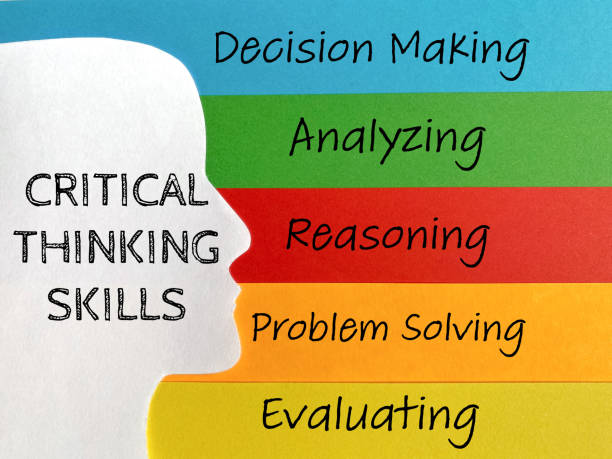
The relationship between critical thinking and dissertation writing is one of the most important aspects of academic success. Dissertation writing is far more than collecting information and presenting arguments. It requires students to evaluate evidence, analyze theories, identify research gaps, and develop original perspectives. Critical thinking acts as the intellectual foundation that supports every stage of the dissertation process, from selecting a research topic to defending conclusions.
In higher education, universities increasingly expect students to demonstrate independent thinking and analytical depth in their dissertations. A well-written dissertation reflects not only subject knowledge but also the ability to question assumptions, interpret evidence carefully, and produce logical arguments. Without critical thinking, academic writing often becomes descriptive rather than analytical, which can weaken the overall quality of research.
As academic standards continue to evolve in 2026, students who develop strong critical thinking skills are more likely to produce dissertations that stand out for clarity, originality, and credibility. Understanding this relationship can help students improve both their research methods and their academic confidence.
Understanding Critical Thinking in Academic Research
Critical thinking refers to the ability to analyze information objectively, evaluate multiple viewpoints, and make reasoned judgments based on evidence. In academic research, this skill is essential because students must move beyond summarizing existing literature and instead contribute meaningful analysis to their field of study.
Dissertation writing demands a high level of intellectual engagement. Students are expected to compare theories, identify contradictions in previous studies, and assess the reliability of research sources. Critical thinking enables researchers to distinguish between strong and weak evidence while avoiding bias or unsupported assumptions.
For example, when reviewing scholarly articles, a critical thinker does not simply accept conclusions at face value. Instead, they examine research methodologies, sample sizes, limitations, and the broader academic context. This analytical process helps students create stronger arguments and more credible findings in their dissertations.
Universities and academic supervisors often emphasize critical thinking because it demonstrates intellectual maturity. A dissertation that reflects deep analysis and thoughtful interpretation is more likely to meet advanced academic standards and gain positive evaluation from examiners.
How Critical Thinking Shapes Dissertation Writing
The relationship between critical thinking and dissertation writing becomes especially clear during the research and writing process. Every dissertation stage requires students to think critically in order to produce coherent and academically rigorous work.
Choosing a Strong Research Topic
Critical thinking begins with topic selection. Students must identify a research area that is relevant, manageable, and capable of contributing new insight. This process involves evaluating current academic discussions, recognizing gaps in existing literature, and considering the practical significance of the research.
A poorly chosen topic often leads to weak arguments and limited analysis. By thinking critically at the beginning, students can develop focused research questions that support meaningful academic investigation.
Developing a Logical Research Framework
A dissertation must follow a clear structure supported by logical reasoning. Critical thinking helps students organize ideas effectively and connect arguments in a coherent way. Rather than presenting disconnected information, students learn to build a narrative that guides readers through the research process.
Strong dissertations typically include well-justified methodologies, carefully interpreted data, and balanced conclusions. These elements depend heavily on analytical thinking and intellectual consistency.
Evaluating Sources and Evidence
One of the most important aspects of dissertation writing is source evaluation. Academic databases contain thousands of articles, but not all sources offer equal value or reliability. Critical thinking allows students to assess credibility, relevance, and research quality before incorporating evidence into their work.
Reliable dissertations rely on peer-reviewed journals, authoritative publications, and evidence-based research. Students who critically evaluate sources are better equipped to avoid misinformation and maintain academic integrity throughout the writing process.
Students seeking additional academic guidance often benefit from professional support services such as UK Master’s dissertation help, which can provide structured assistance during complex research projects.
The Role of Analytical Writing in Dissertation Success
Dissertation writing requires analytical writing rather than simple description. Many students struggle because they focus too heavily on summarizing information instead of interpreting and evaluating it. Critical thinking bridges this gap by encouraging deeper engagement with academic material.
Analytical writing involves explaining why certain findings matter, how theories relate to each other, and what conclusions can reasonably be drawn from evidence. This process demonstrates academic expertise and strengthens the overall quality of the dissertation.
For instance, in a literature review, students should not merely describe previous studies. They should compare viewpoints, identify methodological weaknesses, and explain how existing research informs their own investigation. This level of analysis reflects higher-order thinking and contributes to stronger academic performance.
Critical thinking also improves argument development. Strong dissertations present balanced discussions that acknowledge alternative perspectives while defending a clear position. This approach demonstrates intellectual honesty and enhances the credibility of the research.
Common Challenges Students Face
Many students understand the importance of critical thinking but struggle to apply it consistently during dissertation writing. One common challenge is relying too heavily on descriptive writing. This often happens when students focus on collecting information rather than analyzing it.
Another difficulty involves confirmation bias. Some researchers unintentionally prioritize evidence that supports their assumptions while ignoring contradictory findings. Critical thinking helps students remain objective and open to multiple interpretations of data.
Time management can also affect analytical quality. Dissertation writing requires sustained concentration and thoughtful evaluation, which can be difficult under tight academic deadlines. Students who rush the process may produce weaker arguments and overlook important details.
Inexperience with academic research methods may create additional obstacles. Many postgraduate students are unfamiliar with advanced analytical techniques, making it harder to interpret data critically. Developing these skills takes practice, feedback, and engagement with scholarly research.
Practical Ways to Improve Critical Thinking Skills
Improving critical thinking requires active practice and intellectual curiosity. Students can strengthen these skills by engaging deeply with academic literature and questioning the assumptions behind published research.
Reading peer-reviewed journal articles critically is one effective strategy. Instead of focusing only on conclusions, students should examine research design, limitations, and evidence quality. This approach encourages deeper analytical understanding and improves academic writing skills over time.
Participating in academic discussions can also enhance critical thinking. Conversations with supervisors, classmates, and researchers expose students to diverse perspectives and encourage more balanced reasoning. Constructive feedback often reveals weaknesses in arguments that students may not notice independently.
Writing regularly is another important practice. Drafting analytical paragraphs, reflecting on research findings, and revising arguments help students refine their reasoning abilities. Strong dissertation writers continuously evaluate and improve their thought processes throughout the research journey.
Finally, students should remain open-minded and willing to challenge their own assumptions. Academic growth often occurs when researchers reconsider previously held beliefs in light of new evidence.
Why Critical Thinking Matters Beyond Academia
The benefits of critical thinking extend far beyond dissertation writing. Employers increasingly value analytical thinking, problem-solving, and evidence-based decision-making in professional environments. Students who develop these skills during higher education often carry them into successful careers.
Dissertation writing teaches students how to assess information carefully, communicate ideas clearly, and solve complex problems systematically. These abilities are valuable in fields such as business, healthcare, education, technology, and public policy.
Critical thinking also supports lifelong learning. In a rapidly changing digital world filled with information overload, the ability to evaluate sources and think independently has become more important than ever. Dissertation writing provides an opportunity to develop these transferable intellectual skills at an advanced level.
Conclusion
The relationship between critical thinking and dissertation writing is fundamental to academic achievement. Critical thinking allows students to analyze evidence, develop logical arguments, and produce original research that meets advanced scholarly standards. Without analytical thinking, dissertations risk becoming descriptive, unfocused, and academically weak.
Successful dissertation writing depends on the ability to question assumptions, evaluate sources critically, and interpret information thoughtfully. These skills not only improve academic performance but also prepare students for professional and intellectual success beyond university.
As higher education continues to emphasize research quality and independent thinking, students who cultivate strong critical thinking abilities will be better equipped to produce impactful dissertations and contribute meaningfully to their academic disciplines.
