

Buying a home is one of the biggest financial decisions a family can make. Yet many first-time buyers enter the process without fully understanding mortgage terms, property taxes, closing costs, or lending requirements. For immigrant and bilingual communities, language barriers can make the situation even more difficult. Confusing paperwork and fast-talking lenders often create opportunities for predatory practices that leave families trapped in unaffordable loans.
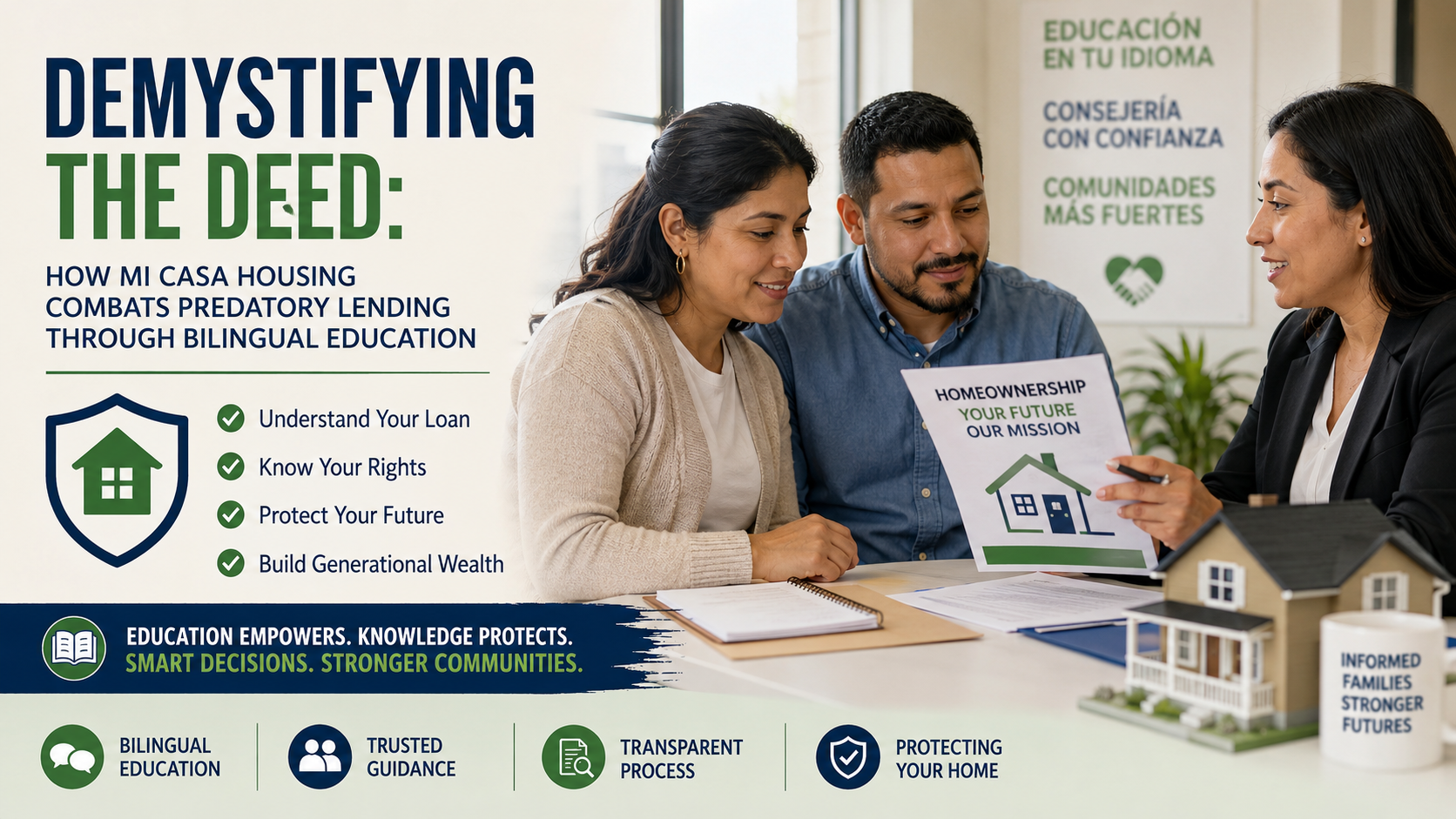
Organizations like mi casa housing play an important role in helping families understand the homebuying process through bilingual education and housing counseling. Instead of relying on technical jargon, these programs explain complex lending concepts in practical, culturally relevant ways that empower buyers to make informed decisions.
Predatory lending continues to affect vulnerable communities across the United States. While regulations have improved over the years, misleading loan structures, hidden fees, inflated interest rates, and deceptive refinancing offers still exist. Education remains one of the strongest defenses against these practices. When buyers understand how mortgages work, they are less likely to fall victim to financial manipulation.
Understanding Predatory Lending in Modern Housing
Predatory lending refers to unfair or deceptive loan practices designed to benefit lenders at the borrower’s expense. These practices often target individuals with limited financial knowledge, low credit scores, or language barriers.
Some common examples include:
- Excessively high interest rates
- Hidden loan fees
- Balloon payments
- Adjustable-rate mortgages with misleading terms
- Pressure to sign incomplete documents
- Loan flipping through repeated refinancing
Predatory lenders frequently focus on communities where financial literacy resources are limited. In many Hispanic and immigrant neighborhoods, buyers may rely heavily on verbal explanations because legal and financial documents are difficult to interpret in English.
This creates a dangerous imbalance. Borrowers may trust a lender’s spoken promises without fully understanding what the written contract actually contains.
Bilingual housing education helps close that gap.
Why Bilingual Housing Education Matters
Housing education programs do more than explain mortgage terminology. They help families build confidence during a stressful process that often feels intimidating and unfamiliar.
Bilingual counseling provides several critical advantages:
Improved Financial Understanding
When buyers learn in their preferred language, they absorb information more effectively. Concepts like escrow accounts, fixed versus adjustable rates, and debt-to-income ratios become easier to understand.
Instead of memorizing terms, participants learn how these concepts affect their monthly budgets and long-term financial health.
Stronger Consumer Protection
Predatory lenders often depend on confusion. Educated borrowers are more likely to ask questions, compare loan offers, and recognize suspicious terms.
For example, a buyer who understands annual percentage rate calculations can identify when a loan’s advertised low payment hides costly long-term interest.
Greater Confidence During Negotiations
Many first-time buyers feel pressured to sign documents quickly. Housing counselors teach clients how to slow the process down, review paperwork carefully, and request clarification before agreeing to anything.
This confidence can prevent costly mistakes that impact families for decades.
How Housing Counseling Programs Help Families
Effective housing counseling combines education with practical guidance. Rather than overwhelming participants with theory, counselors walk families through real-world situations they are likely to encounter.
Here is how the process typically works.
Step-by-Step Support for Homebuyers
Assessing Financial Readiness
Before applying for a mortgage, counselors help families evaluate their financial situation.
This may include:
- Reviewing income stability
- Checking credit reports
- Identifying debt issues
- Creating realistic savings goals
- Estimating affordable monthly payments
Many buyers assume mortgage approval means affordability. Counselors explain that lenders and financial sustainability are not always aligned.
A family may technically qualify for a large loan while still struggling with future maintenance costs, taxes, and emergencies.
Explaining Mortgage Options
Housing counselors break down the differences between loan products in plain language.
Borrowers learn about:
- Fixed-rate mortgages
- Adjustable-rate mortgages
- FHA loans
- VA loans
- Down payment assistance programs
- Closing costs and lender fees
This education helps buyers compare offers objectively rather than focusing only on monthly payment amounts.
Reviewing Loan Documents
One of the most valuable services involves reviewing paperwork before signing.
Counselors may help clients identify:
- Prepayment penalties
- Unexpected fees
- Risky refinancing clauses
- Adjustable-rate triggers
- Inconsistent verbal promises
For bilingual families, reviewing documents in both English and Spanish significantly reduces misunderstandings.
Teaching Long-Term Homeownership Skills
Responsible homeownership extends beyond securing a mortgage.
Educational programs often cover:
- Budgeting for maintenance
- Emergency savings planning
- Property tax responsibilities
- Insurance requirements
- Foreclosure prevention strategies
These lessons improve long-term housing stability and reduce financial stress after purchase.
Real-World Impact of Financial Education
The benefits of bilingual housing education become especially clear during periods of economic uncertainty.
During housing market booms, buyers often feel pressure to act quickly. Competitive bidding environments can encourage rushed decisions. Families without proper guidance may overlook warning signs simply because they fear losing an opportunity.
Consider a first-time buyer presented with an adjustable-rate mortgage featuring low introductory payments. Without education, the borrower may focus solely on immediate affordability. However, a housing counselor can explain how future rate increases could dramatically raise monthly costs.
That knowledge allows buyers to make decisions based on long-term stability instead of short-term pressure.
Housing counseling also helps prevent foreclosure. Families facing financial hardship often avoid communicating with lenders because they feel embarrassed or overwhelmed. Counselors teach homeowners how to negotiate payment plans, request loan modifications, and seek assistance before problems become unmanageable.
Common Challenges Homebuyers Face
Even well-prepared buyers encounter obstacles during the homebuying process.
Language Barriers
Complex legal terminology remains one of the biggest challenges for bilingual households. Even individuals who speak conversational English may struggle with mortgage contracts filled with technical language.
Professional translation and culturally aware counseling help eliminate confusion.
Misinformation From Informal Sources
Many families rely on advice from friends or relatives who may have outdated or inaccurate information about mortgages and credit.
Housing education programs replace myths with accurate, up-to-date guidance.
Fear of Asking Questions
Some buyers hesitate to question lenders because they fear appearing uninformed.
Experienced counselors encourage active participation and remind clients that asking questions is part of responsible financial decision-making.
Pressure From Aggressive Sales Tactics
Predatory lenders often create artificial urgency. Buyers may hear statements like “this offer expires today” or “you must sign immediately.”
Education teaches consumers how to recognize and resist high-pressure tactics.
Expert Recommendations for Safe Homebuying
Financial literacy experts consistently recommend several best practices for avoiding predatory lending.
Compare Multiple Loan Offers
Never accept the first mortgage offer without comparison. Reviewing multiple lenders helps borrowers identify unreasonable fees or inflated rates.
Review Every Document Carefully
Even trustworthy lenders make mistakes. Buyers should review all disclosures, payment schedules, and loan terms before signing.
Focus on Total Loan Cost
A low monthly payment may hide expensive long-term costs. Borrowers should evaluate total repayment amounts over the life of the loan.
Build Emergency Savings
Unexpected repairs and financial emergencies are common parts of homeownership. Maintaining a savings cushion reduces the risk of missed payments.
Seek Professional Counseling Early
Housing education is most effective before problems arise. Early counseling allows buyers to prepare strategically rather than reacting under pressure.
Conclusion
Predatory lending thrives when borrowers lack information, confidence, or language access. Bilingual housing education helps level the playing field by giving families the knowledge needed to navigate complex financial decisions safely.
Organizations focused on culturally responsive housing counseling provide more than technical education. They create trust, improve financial literacy, and empower communities to pursue sustainable homeownership with confidence.
For many families, understanding the fine print behind a mortgage can mean the difference between long-term stability and years of financial hardship. Clear communication, practical guidance, and accessible education remain essential tools in protecting homebuyers from predatory lending practices.
