


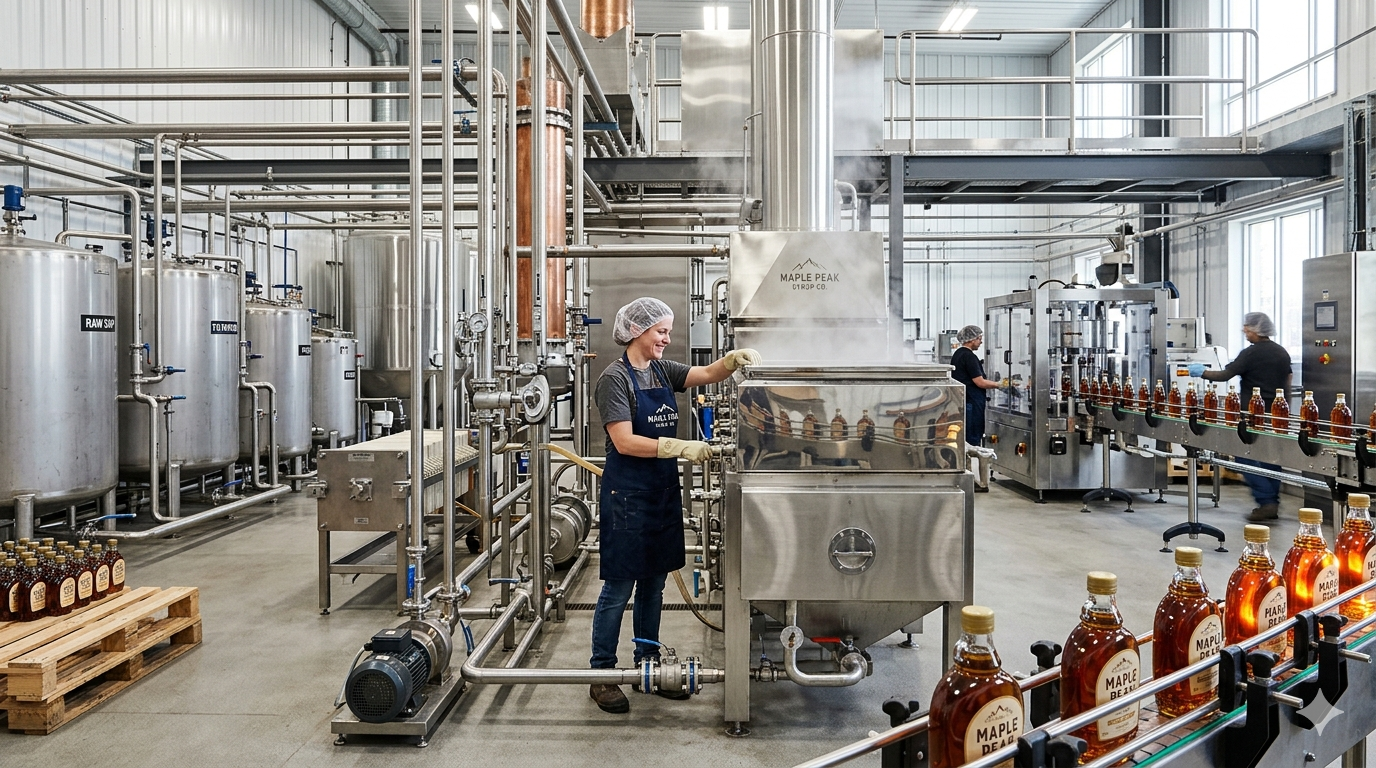
In the world of natural sweeteners, few products carry as much tradition and craftsmanship as maple syrup. A well-run maple syrup factory is not just a production site—it is a carefully managed environment where nature, timing, and precision come together to transform tree sap into one of the most beloved breakfast staples in North America. For many people, maple syrup seems simple on the surface, but behind every bottle is a complex process that requires skill, patience, and deep respect for seasonal cycles.
Understanding how a maple syrup factory operates matters more today than ever. Consumers are increasingly interested in where their food comes from and how it is made. With rising demand for pure, sustainably produced sweeteners, the maple syrup industry offers a strong example of how traditional food production can align with modern quality standards. It also highlights how small variations in temperature, sap quality, and processing techniques can dramatically influence flavor, color, and consistency.
This article explores how maple syrup production works, what happens inside a modern facility, and what makes the process both an art and a science.
Understanding the Role of a Maple Syrup Factory in Production
A maple syrup factory serves as the central processing hub where raw sap collected from maple trees is transformed into finished syrup. While tapping trees happens in forests or orchards, the factory is where the critical conversion takes place. Fresh sap is mostly water with a small percentage of natural sugar. On its own, it is not useful for consumption, but through controlled evaporation and filtration, it becomes thick, flavorful syrup.
One of the most important roles of the factory is maintaining quality consistency. Sap begins to change quickly once collected, so timing is essential. If not processed promptly, fermentation can occur, leading to off-flavors. Modern facilities use stainless steel evaporators, reverse osmosis systems, and temperature-controlled environments to ensure the syrup retains its natural taste and purity.
Another key responsibility is grading and classification. Maple syrup is not one uniform product; it varies in color and flavor depending on the time of season it is harvested. Early-season sap typically produces lighter syrup with a delicate flavor, while late-season sap creates darker syrup with a stronger, more robust taste. The factory ensures each batch is properly categorized and packaged accordingly.
Step-by-Step Process Inside a Maple Syrup Factory
Producing maple syrup is a carefully structured process that blends traditional methods with modern technology. Each stage plays a crucial role in determining the final quality of the syrup.
1. Sap Collection and Transportation
The process begins in maple groves, where trees are tapped during late winter or early spring. Small spouts are inserted into the trunk, allowing sap to flow into collection containers or tubing systems. Once collected, the sap is transported to the factory as quickly as possible to preserve freshness. Even slight delays can impact flavor quality.
2. Pre-Filtration and Storage
Upon arrival at the facility, the sap is filtered to remove debris such as bark, insects, or organic particles. It is then stored in sanitary holding tanks. This stage is critical because clean sap ensures a smoother evaporation process and reduces contamination risks later on.
3. Concentration Through Evaporation
The most important transformation occurs in the evaporator room. Sap is heated in large shallow pans, allowing water content to evaporate while sugars concentrate. This step requires careful monitoring because overheating can burn the syrup, while underheating results in inconsistent texture. Many modern facilities use energy-efficient systems to optimize this process without compromising flavor.
4. Quality Control and Density Testing
Once the syrup reaches the correct sugar concentration, typically around 66%, it is tested for density and flavor balance. Experts rely on both digital instruments and sensory evaluation to ensure accuracy. This step ensures that each batch meets strict quality standards before moving forward.
5. Filtration and Finishing
The syrup is filtered again while hot to remove sugar sand, a natural mineral deposit that forms during boiling. This ensures a smooth final texture. After filtration, the syrup is ready for bottling.
6. Bottling and Packaging
The final stage involves filling sterilized containers under controlled conditions. Packaging is done carefully to prevent contamination and maintain shelf stability. Labels are applied according to grade, flavor profile, and production date.
Common Challenges and Mistakes in Syrup Production
Even in well-managed facilities, producing maple syrup comes with challenges. One of the most common issues is inconsistent sap quality. Weather fluctuations can affect sugar content in trees, which directly impacts yield and flavor. Producers must constantly adapt to environmental changes.
Another challenge is improper temperature control during evaporation. Even a slight increase in heat can scorch the syrup, resulting in a bitter taste. On the other hand, insufficient heat can leave excess water content, reducing shelf life and causing spoilage.
Sanitation is also a critical concern. Because sap is a natural product, it is highly susceptible to microbial growth. If equipment is not properly cleaned, bacteria can spread quickly and ruin entire batches. Maintaining strict hygiene standards is essential for long-term success.
Lastly, timing errors during collection can lead to reduced quality. Sap must be processed quickly after harvesting. Delays of even a few hours in warmer conditions can significantly affect taste and consistency.
Practical Tips for High-Quality Maple Syrup Production
Experienced producers rely on a combination of precision, observation, and seasonal knowledge to maintain high-quality output. One key recommendation is to monitor weather patterns closely. Sap flow is directly influenced by temperature changes, especially freeze-thaw cycles. Understanding these patterns helps improve collection timing.
Another important tip is investing in modern filtration systems. High-quality filtration not only improves texture but also extends shelf life. Many producers upgrade to multi-stage filtration to remove even microscopic impurities.
Temperature control systems should also be calibrated regularly. Automated monitoring tools can help maintain consistent heat levels during evaporation, reducing the risk of human error.
Additionally, producers often recommend small-batch testing before full-scale boiling. This allows for adjustments in flavor profiling and ensures consistency across production runs.
Finally, proper storage conditions are essential. Finished syrup should be stored in airtight containers away from direct sunlight to preserve its natural flavor and color.
Conclusion: The Craft Behind Every Drop of Maple Syrup
A maple syrup factory represents far more than a production line. It is a place where nature’s seasonal rhythm meets human craftsmanship and precision. From sap collection to final bottling, every step requires careful attention to detail and a deep understanding of natural processes.
What makes maple syrup truly special is not just its sweetness but the effort behind it. Each batch reflects environmental conditions, technical expertise, and generations of knowledge passed down through producers. Whether enjoyed on pancakes or used in gourmet recipes, maple syrup carries a story of transformation that begins in the forest and ends in the bottle.
As consumers continue to value transparency and natural food sources, the importance of well-managed syrup production will only grow. Understanding how these factories operate gives us a greater appreciation for the simple yet remarkable journey from tree to table.
