


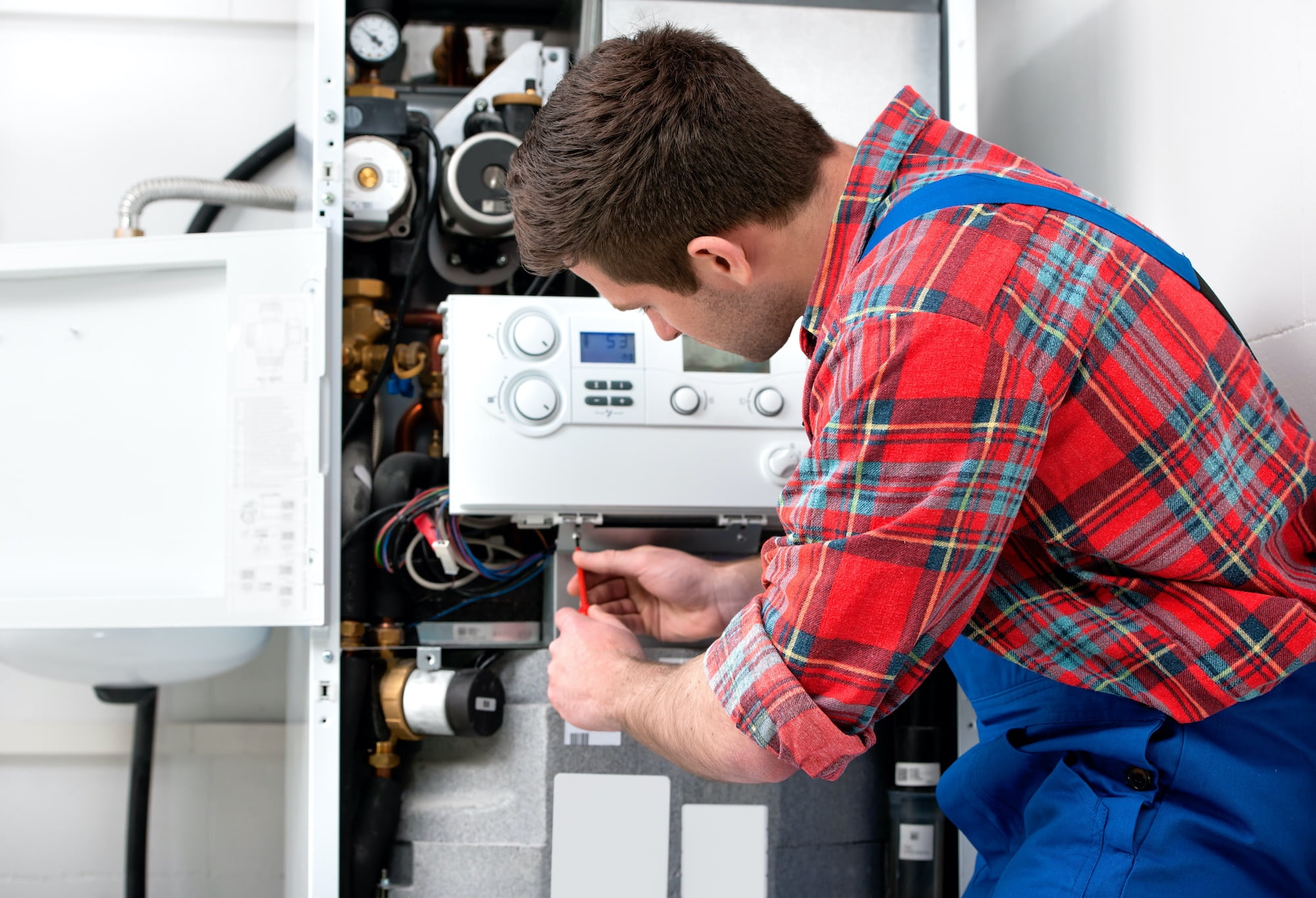
Emergency lighting installation in London is an essential part of modern building safety. In busy commercial and residential areas, emergency lighting helps people safely evacuate during power failures, fires, or other emergencies. Properly installed emergency lights guide occupants toward exits, reduce panic, and improve visibility when normal lighting systems fail.
Emergency Lighting Installation in London Every business owner, landlord, school, hospital, restaurant, office, and public building in London has a legal responsibility to ensure emergency lighting systems are installed and maintained correctly. These systems protect lives and help buildings comply with British fire safety regulations.
As London continues to grow with high-rise buildings, shopping centres, offices, and apartments, emergency lighting has become one of the most important safety requirements for modern properties.
What Is Emergency Lighting?
Emergency lighting is a backup lighting system designed to activate automatically when the main power supply fails. It provides enough illumination for people to safely exit a building during emergencies.
Emergency lighting systems are commonly installed in:
- Offices
- Schools
- Hotels
- Restaurants
- Hospitals
- Warehouses
- Apartment buildings
- Shopping centres
- Factories
The purpose of emergency lighting is to reduce confusion and improve safety during dangerous situations.
Why Is Emergency Lighting Required in London?
Emergency lighting is legally required in most commercial and public buildings across London. The Regulatory Reform (Fire Safety) Order 2005 requires responsible persons to ensure safe evacuation routes are clearly visible at all times.
Without emergency lighting, occupants may struggle to escape safely during:
- Power outages
- Fires
- Smoke-filled environments
- Electrical failures
- Emergency evacuations
Installing emergency lighting helps businesses remain compliant with fire safety laws while protecting staff, visitors, and customers.
What Are the Different Types of Emergency Lighting?
There are several types of emergency lighting systems used in London buildings.
Escape Route Lighting
This lighting helps people safely find exit routes and emergency doors during evacuations.
Open Area Lighting
Also known as anti-panic lighting, this system reduces panic in large open spaces such as shopping centres and offices.
High-Risk Task Area Lighting
Used in dangerous work environments where employees need visibility to safely shut down equipment before evacuating.
Maintained Emergency Lighting
These lights remain on at all times and continue working during power failures.
Non-Maintained Emergency Lighting
These lights only activate when the normal power supply fails.
Each property may require different emergency lighting systems depending on building layout and fire risks.
Where Should Emergency Lighting Be Installed?
Emergency lighting should be installed in all critical areas where people may need visibility during emergencies.
Common installation areas include:
- Emergency exits
- Staircases
- Corridors
- Fire escape routes
- Lift areas
- Large open rooms
- Car parks
- Fire alarm call points
- Electrical plant rooms
Professional installers assess the property carefully to determine the correct placement of emergency lights.
Who Needs Emergency Lighting Installation in London?
Many property owners and businesses in London require emergency lighting systems.
This includes:
- Commercial offices
- Retail stores
- Restaurants and cafes
- Hotels and guest houses
- Schools and universities
- Hospitals and clinics
- Warehouses
- Apartment blocks
- Factories and industrial sites
Even small businesses may require emergency lighting depending on building size and occupancy levels.
What Happens During Emergency Lighting Installation?
Professional emergency lighting installation involves several important steps.
Site Inspection
Qualified engineers inspect the property to identify fire escape routes and high-risk areas.
System Design
A customised emergency lighting plan is created according to building requirements and British Standards.
Installation Process
Emergency lights, exit signs, batteries, and backup systems are professionally installed.
Testing and Certification
The entire system is tested to ensure proper operation during power failures.
Maintenance Planning
Engineers recommend ongoing inspection and testing schedules to maintain compliance.
Professional installation ensures maximum safety and legal compliance.
What Are the Legal Requirements for Emergency Lighting in London?
Emergency lighting installations in London must comply with British Standards BS 5266 and fire safety regulations.
Legal responsibilities include:
- Installing suitable emergency lighting
- Maintaining clear escape routes
- Conducting regular testing
- Keeping maintenance records
- Ensuring systems remain operational
Failure to comply may result in:
- Fines
- Legal action
- Business closure
- Insurance issues
- Increased safety risks
Proper installation helps avoid these serious consequences.
How Often Should Emergency Lighting Be Tested?
Regular testing is necessary to ensure emergency lighting systems work correctly during emergencies.
Typical testing schedules include:
Monthly Functional Tests
Short tests confirm that lights activate properly during power failures.
Annual Full Duration Tests
A complete test checks whether the system operates for the required emergency duration.
All testing results should be recorded in a fire safety logbook for compliance purposes.
Why Is Professional Installation Important?
Emergency lighting systems must meet strict safety standards. Poor installation can create dangerous evacuation problems during emergencies.
Professional installers provide:
- Correct light positioning
- Compliance with regulations
- Safe electrical installation
- Reliable backup systems
- Proper certification
- Ongoing maintenance support
Experienced fire safety engineers ensure every system functions effectively when needed most.
How Much Does Emergency Lighting Installation Cost in London?
Installation costs depend on several factors, including:
- Property size
- Number of emergency lights
- Building complexity
- System type
- Installation time
- Maintenance requirements
Many London fire safety companies offer customised packages for small businesses, offices, and residential buildings.
Investing in professional installation is far more affordable than dealing with fire damage, legal penalties, or safety failures.
What Are the Benefits of Emergency Lighting?
Emergency lighting systems provide several important advantages.
Improved Safety
People can evacuate safely during emergencies and power failures.
Legal Compliance
Businesses meet London fire safety regulations and British Standards.
Reduced Panic
Clear visibility helps prevent confusion during evacuations.
Protection for Employees and Visitors
Emergency lighting supports safer workplaces and public environments.
Better Business Reputation
Customers and employees feel more secure in compliant buildings.
How Can You Choose the Best Emergency Lighting Company in London?
When selecting an emergency lighting installer, consider:
- Industry certifications
- Experience with fire safety systems
- Positive customer reviews
- Fast response times
- Maintenance services
- Transparent pricing
Reliable companies often provide complete fire protection solutions including fire alarms, fire extinguishers, and fire risk assessments.
Conclusion
Emergency lighting installation in London is a vital part of building safety and fire protection. Properly installed emergency lighting systems help people evacuate safely during fires, power outages, and emergencies while ensuring legal compliance with British fire safety regulations.
Whether you own a commercial office, apartment building, warehouse, restaurant, or retail shop, investing in professional emergency lighting installation protects lives, property, and business operations. Regular testing and maintenance also ensure your system remains fully operational when it matters most.
Choosing experienced fire safety professionals for installation gives property owners peace of mind and creates safer environments for employees, customers, and visitors throughout London.
FAQs
1. Is emergency lighting mandatory in London?
Yes, most commercial and public buildings in London are legally required to have emergency lighting systems.
2. How long do emergency lights stay on during power failure?
Most systems are designed to operate for at least three hours during emergencies.
3. How often should emergency lighting be tested?
Monthly functional tests and annual full-duration tests are generally recommended.
4. Can emergency lighting be installed in residential buildings?
Yes, apartment blocks and shared residential properties often require emergency lighting in communal areas.
5. Who can install emergency lighting systems?
Only qualified electricians or fire safety professionals should install emergency lighting systems to ensure legal compliance and safety.
