


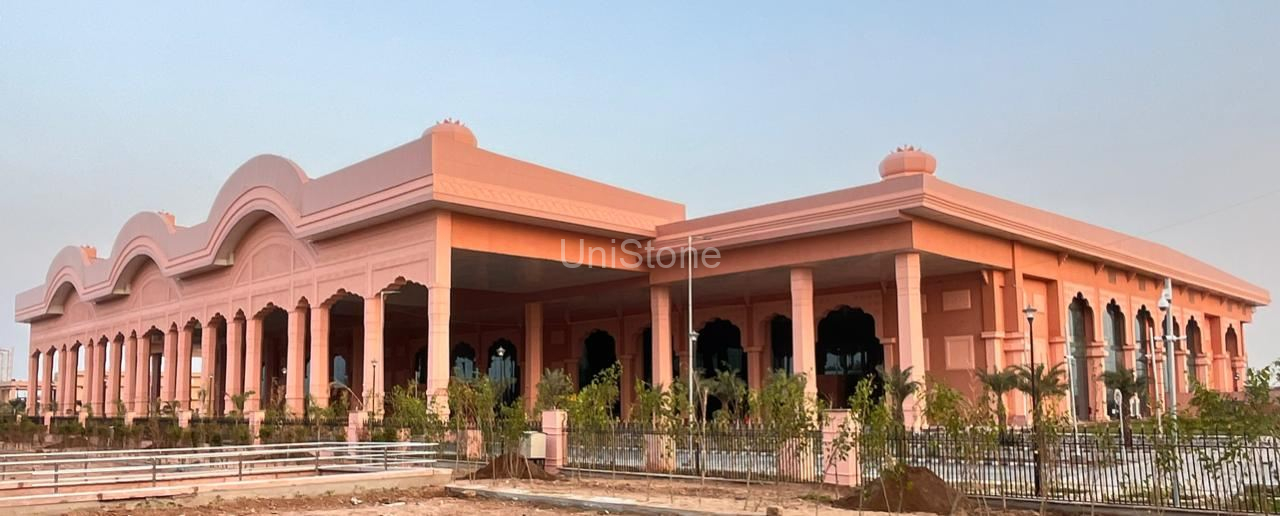
A Modern Gateway That Has Yet to Welcome Its First Wave of Passengers
Across India, major infrastructure projects are often viewed as symbols of progress. They represent ambition, investment, planning, and a commitment to improving the lives of citizens.
When completed, these projects are expected to begin delivering benefits almost immediately. Roads carry vehicles. Railway stations serve passengers. Hospitals treat patients. Airports connect people and places.
But in Jodhpur, Rajasthan, one of the region’s most significant aviation infrastructure projects finds itself in an unusual position.
The new Passenger Terminal Building at Jodhpur Airport stands completed, ready, and prepared for operations.
Yet despite being ready for several months, the terminal continues to wait.
Passengers continue to wait.
Tourism stakeholders continue to wait.
Businesses continue to wait.
The city continues to wait.
And with every passing month, a simple question becomes more difficult to ignore:
Why is a terminal built for the future still waiting in the present?
The Vision Behind a Modern Airport Terminal
The story of the new Passenger Terminal Building began with a clear objective.
Jodhpur was growing.
Tourism was expanding.
Passenger traffic was evolving.
The city needed infrastructure capable of supporting its future ambitions.
Modern airport terminals are no longer simple transit points.
They are designed to become:
- Gateways to destinations
- Engines of economic growth
- Tourism facilitators
- Public infrastructure landmarks
- Symbols of regional progress
The new terminal was developed with these goals in mind.
Its purpose was to prepare Jodhpur for the next chapter of growth.
A City with Global Appeal
Jodhpur occupies a unique place in India’s tourism landscape.
Known internationally as the Blue City, it attracts visitors because of its:
Historic Heritage
- Mehrangarh Fort
- Umaid Bhawan Palace
- Jaswant Thada
- Mandore Gardens
Cultural Richness
- Traditional music
- Folk art
- Handicrafts
- Local cuisine
Luxury Tourism
- Heritage hotels
- Palace experiences
- Premium travel offerings
Destination Weddings
- Royal venues
- Luxury celebrations
- International events
For many visitors, the airport is the first chapter of their Jodhpur experience.
This reality makes airport infrastructure particularly important.
Years of Planning, Design, and Construction
Infrastructure projects of this scale do not appear overnight.
Behind every completed terminal lies years of effort.
The Planning Stage
Extensive planning was required to:
- Assess future passenger needs
- Identify infrastructure requirements
- Define operational objectives
- Establish long-term growth strategies
The Design Stage
Architects and engineers worked to create a terminal capable of balancing:
- Functionality
- Efficiency
- Passenger comfort
- Architectural identity
The Construction Stage
Construction teams transformed plans into reality through:
- Technical expertise
- Quality execution
- Project coordination
- Safety management
The result is the facility that stands today.
A completed terminal ready to begin serving the public.
At least in theory.
Architecture Inspired by Rajasthan
One of the most celebrated aspects of the project is its architectural character.
The terminal is not simply a functional structure.
It has been designed to reflect the spirit of Rajasthan.
Heritage Influences
The building incorporates design inspiration from:
- Traditional architecture
- Regional motifs
- Cultural heritage
- Local artistic traditions
Creating a Sense of Arrival
Modern airports increasingly focus on creating emotional connections.
The new terminal helps establish:
- Destination identity
- Cultural recognition
- Memorable first impressions
- Visual distinction
Visitors arriving in Jodhpur should immediately feel connected to the region’s heritage and character.
The terminal was designed to help achieve that goal.
A Passenger Experience Designed for Tomorrow
The terminal was built to meet modern expectations.
Today’s travelers expect airports to provide:
Comfort
- Spacious environments
- Improved waiting areas
- Better passenger amenities
Convenience
- Efficient circulation
- Easy navigation
- Streamlined processes
Accessibility
- Inclusive design
- Improved passenger movement
- Enhanced usability
Future Readiness
- Capacity for growth
- Modern operational systems
- Long-term adaptability
All of these features were intended to improve the travel experience.
But improvements only matter when passengers can actually access them.
The Contradiction at the Heart of the Story
This is where the story becomes unusual.
Most infrastructure narratives follow a familiar pattern:
Project Approved
A vision is established.
Project Built
Construction progresses.
Project Completed
The facility is finished.
Project Opened
The public begins benefiting.
In Jodhpur’s case, the first three steps appear complete.
The fourth remains missing.
And that missing step changes everything.
A Completed Terminal That Cannot Yet Deliver Its Promise
The new Passenger Terminal Building has enormous potential.
It can support:
Tourism Growth
By creating a stronger gateway to Rajasthan.
Hospitality Development
By improving the visitor experience.
Business Connectivity
By supporting corporate travel and investment.
Regional Development
By strengthening infrastructure capacity.
Yet these benefits remain largely theoretical until operations begin.
A completed terminal is an achievement.
An operational terminal is an asset.
The distinction matters.
Tourism Is Moving Forward. The Terminal Is Not.
Jodhpur’s tourism industry has not stood still.
Hotels continue investing.
Travel operators continue expanding.
Wedding planners continue promoting the city.
Visitors continue arriving.
The city continues to evolve.
The terminal, however, remains in a holding pattern.
This creates a growing disconnect between tourism growth and infrastructure activation.
The Hospitality Industry Has Been Patient
The hospitality sector understands that major infrastructure projects require time.
Construction takes time.
Testing takes time.
Operational readiness takes time.
But when a facility appears ready for months without opening, questions naturally emerge.
Common Concerns Across the Industry
Stakeholders increasingly ask:
- What remains to be completed?
- What approvals are still pending?
- When will operations begin?
- Why has the wait continued for so long?
These questions reflect anticipation rather than opposition.
The industry wants to see the project succeed.
The industry wants to see the terminal open.
Economic Opportunities Are Being Deferred
Every major infrastructure project is expected to create value.
That value can include:
Direct Benefits
- Improved passenger experiences
- Better airport operations
- Enhanced connectivity
Indirect Benefits
- Tourism growth
- Hospitality expansion
- Business activity
- Local spending
Long-Term Benefits
- Regional competitiveness
- Investment attraction
- Economic resilience
When operations are delayed, these benefits are delayed as well.
Public Expectations Continue to Rise
One reason discussion around the terminal continues to grow is because expectations are high.
People can see the facility.
People know it exists.
People understand its potential.
The project is not hidden.
It stands as a visible reminder of what could already be serving the city.
This visibility naturally creates curiosity.
And curiosity inevitably leads to questions.
Jodhpur Is Ready for the Next Chapter
Few would argue against the value of the new terminal.
It represents:
- Modern infrastructure
- Architectural excellence
- Engineering achievement
- Long-term planning
The city is ready to move forward.
Tourism is ready.
Hospitality is ready.
Businesses are ready.
Passengers are ready.
The terminal itself appears ready.
What remains is the transition from readiness to operation.
Infrastructure Is Meant to Serve People
At its core, infrastructure exists for one purpose:
To improve people’s lives.
Airports connect families.
They support businesses.
They enable tourism.
They create opportunities.
They strengthen economies.
The new Passenger Terminal Building was built to fulfill these functions.
It was not built simply to stand completed.
It was built to serve.
The Final Step Matters Most
Many people focus on planning.
Others focus on construction.
Some focus on architecture.
All of these elements are important.
But ultimately, the most important phase of any infrastructure project is utilization.
That is when investment becomes value.
That is when design becomes experience.
That is when construction becomes service.
That is when infrastructure fulfills its purpose.
Conclusion: A Future That Should Already Have Begun
The story of Jodhpur’s new Passenger Terminal Building is, in many ways, a success story.
The project has been completed.
The architecture is impressive.
The engineering is commendable.
The infrastructure is ready.
Yet there is another side to the story.
Despite being built for the future, the terminal remains stuck in the present.
The benefits it was designed to deliver remain largely untapped.
The opportunities it was meant to unlock remain postponed.
The people it was built to serve continue waiting.
As Jodhpur looks toward its future as a leading tourism, hospitality, and business destination, the message from stakeholders across sectors is becoming increasingly clear:
The terminal is ready. The city is ready. The future is ready.
Now it is time for the opening to happen.
No more delays. Let Jodhpur’s new Passenger Terminal Building begin serving the people and the future it was built for.
