


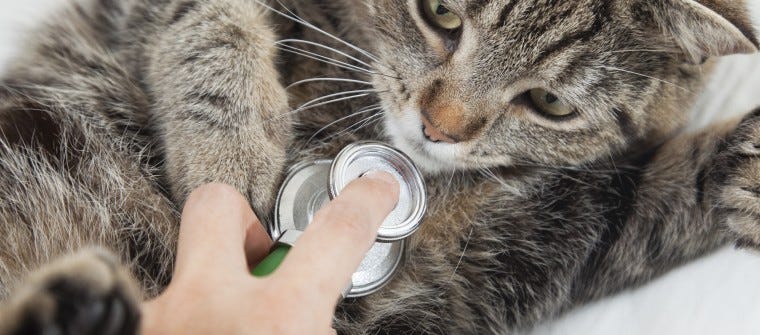
Many pet owners assume that if their dog or cat spends most of its time indoors, vaccinations aren’t necessary. After all, an indoor pet isn’t exposed to the same risks as animals that regularly visit parks, boarding facilities, or outdoor areas. While it’s true that indoor pets generally face fewer health threats, skipping vaccinations altogether can leave them vulnerable to serious diseases.
Understanding which vaccines are essential and why they matter can help you make informed decisions about your pet’s health. If you’re unsure about the right vaccination schedule, a trusted Keysborough Vet Clinic can provide guidance based on your pet’s lifestyle, age, and risk factors.
Why Do Indoor Pets Still Need Vaccinations?
Even pets that rarely leave the house can be exposed to infectious diseases. Viruses and bacteria can enter your home in surprising ways. They can be carried on clothing, shoes, other animals, or even through open windows and doors.
For example, a cat that never goes outside may still come into contact with airborne viruses or germs brought in by visitors. Similarly, indoor dogs may occasionally visit the groomer, veterinary clinic, or stay at a boarding facility, increasing their exposure to contagious diseases.
Vaccinations provide an important layer of protection against illnesses that can be difficult and expensive to treat.
Which Vaccines Are Considered Essential?
Veterinarians generally divide vaccines into two categories: core and non-core vaccines.
Core Vaccines
Core vaccines are recommended for almost all pets, regardless of whether they live indoors or outdoors.
For dogs, core vaccines typically protect against:
- Canine Parvovirus
- Canine Distemper
- Infectious Canine Hepatitis
For cats, core vaccines usually protect against:
- Feline Panleukopenia
- Feline Herpesvirus
- Feline Calicivirus
These diseases can be severe and, in some cases, life-threatening. This is why most veterinarians recommend keeping these vaccinations up to date.
Non-Core Vaccines
Non-core vaccines are recommended based on lifestyle and risk factors.
For example:
- Kennel Cough vaccines may benefit dogs that attend daycare, boarding facilities, or socialise frequently with other dogs.
- Feline Leukaemia vaccines may be recommended for cats that spend time outdoors or interact with unknown cats.
Your veterinarian can determine whether these additional vaccines are necessary for your pet.
What Risks Do Unvaccinated Indoor Pets Face?
An unvaccinated pet may appear healthy for years, but the risk remains. Some diseases spread easily and can survive in the environment for extended periods.
Consider these situations:
- A visitor unknowingly brings a virus into your home.
- Your pet escapes outside for a short time.
- An emergency requires a stay at a veterinary hospital.
- A newly adopted pet introduces an infection.
In these situations, vaccination can make the difference between mild illness and a serious medical emergency.
Are Vaccines Safe?
Modern veterinary vaccines undergo extensive testing to ensure they are safe and effective. Most pets experience no side effects beyond mild tiredness or temporary soreness at the injection site.
Serious reactions are rare, and the benefits of vaccination generally far outweigh the risks. During your appointment, your veterinarian will review your pet’s health history and recommend the most appropriate vaccination plan.
Finding the Right Balance
Not every indoor pet requires every available vaccine. The goal is to provide protection without administering unnecessary treatments. Regular wellness examinations and discussions with your veterinarian help ensure your pet receives appropriate care throughout every stage of life.
When it comes to Pet Vaccinations Keysborough, an individualised approach is often the best option. Your veterinarian can assess your pet’s unique circumstances and recommend a vaccination schedule tailored to their needs.
Frequently Asked Questions
Can an indoor cat get diseases if it never leaves the house?
Yes. Some viruses can enter the home through people, other animals, or contaminated objects. Indoor cats still benefit from core vaccinations.
How often should indoor pets be vaccinated?
The schedule depends on your pet’s age, health status, and the vaccine used. Your veterinarian will advise when boosters are required.
Can I skip booster vaccinations if my pet is healthy?
Even healthy pets need ongoing protection. Booster vaccinations help maintain immunity and ensure your pet remains protected against preventable diseases.
Are vaccinations really necessary for older indoor pets?
Yes. Senior pets can still contract infectious diseases, and some may be more vulnerable due to age-related changes in their immune system.
What is the best way to know which vaccines my pet needs?
A consultation with a veterinarian is the best way to determine an appropriate vaccination plan based on your pet’s lifestyle, health, and risk factors.
