


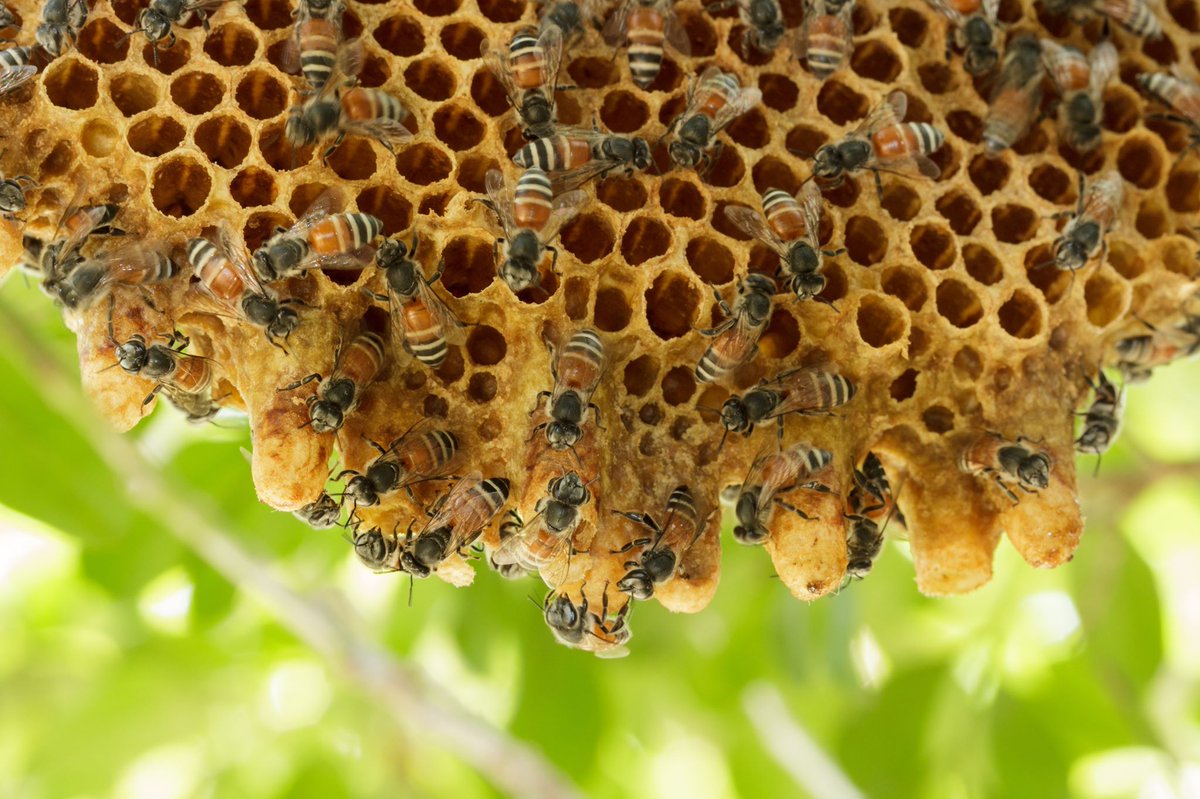
Creating comfortable and safe environments during warmer months requires an understanding of how pollinators interact with residential and commercial landscapes. Many people enjoy spending time outdoors, whether relaxing on patios, hosting gatherings, gardening, or enjoying recreational activities. However, bee season often brings increased insect activity that can affect how people use and experience their properties. Designing thoughtful outdoor spaces can help minimize unwanted encounters while still respecting the important ecological role of pollinators.
Bees are naturally attracted to areas that provide food, water, and shelter. Flowering plants, blooming shrubs, fruit trees, and water sources all contribute to increased activity. While these insects play a critical role in pollination and environmental health, homeowners often prefer to reduce interactions near frequently used areas. The goal is not to eliminate pollinators but to create balanced landscapes that encourage coexistence.
The first step in effective design involves recognizing common bee movement patterns. Pollinators typically travel between food sources and nesting sites using predictable routes. Understanding these pathways allows property owners to position gathering areas strategically. Patios, seating zones, playgrounds, and dining areas can often be located away from the most attractive floral resources.
Planning Outdoor Spaces With Safety and Functionality in Mind
Every landscape serves a purpose. Some properties prioritize relaxation, while others focus on entertainment, gardening, recreation, or family activities. Regardless of the intended use, thoughtful planning helps reduce the likelihood of unwanted encounters during bee season. The location of primary gathering areas plays a major role in overall comfort. Patios, decks, outdoor kitchens, and seating areas should ideally be situated away from highly attractive flowering plants. While colorful blooms enhance visual appeal, placing them directly beside gathering zones may increase insect traffic.
Pathway design also affects movement patterns. Walkways that pass through dense flowering landscapes expose people to increased pollinator activity. Creating clear travel routes away from major floral concentrations can improve safety while maintaining aesthetic value. Water features require careful consideration as well. Bees require water for survival, particularly during warm weather. Birdbaths, fountains, ponds, and irrigation systems may attract pollinators seeking hydration. Positioning these features away from heavily used recreational zones helps reduce interactions.
Shade structures contribute additional benefits. Pergolas, gazebos, covered patios, and shade sails create comfortable environments that naturally encourage people to gather in designated areas. These structures can also help separate activity zones from sections of the landscape that attract pollinators. Landscape layering offers another effective strategy. Instead of concentrating all vegetation around gathering areas, designers can create transitional zones that gradually separate pollinator habitats from recreational spaces. This approach maintains biodiversity while supporting practical property use.
The most successful outdoor spaces balance beauty, functionality, and environmental awareness. Careful planning helps create environments where people feel comfortable while pollinators continue performing their essential ecological functions elsewhere on the property. By considering movement patterns, landscape features, and intended uses, property owners can develop safer environments that remain attractive and enjoyable throughout the active pollinator season.
Choosing Plants and Landscape Features That Reduce Attraction
Plant selection represents one of the most influential aspects of landscape design. Because pollinators rely heavily on flowers for food, the types of plants included in a landscape directly affect activity levels throughout the property. Not all plants attract pollinators equally. Some flowering species produce abundant nectar and pollen, making them highly attractive. Others provide visual appeal without generating the same level of insect activity. Homeowners seeking lower-risk environments often benefit from balancing decorative goals with practical considerations.
Ground covers, ornamental grasses, and foliage-focused plants frequently create attractive landscapes while generating less pollinator traffic than heavily flowering species. These options can provide texture, color variation, and visual interest without significantly increasing activity near gathering areas. Tree selection also matters. Certain flowering trees become major pollinator destinations during bloom periods. Understanding seasonal flowering cycles helps homeowners anticipate activity patterns and position trees appropriately.
Lighting design deserves attention as well. While bees are generally active during daylight hours, overall insect attraction can be influenced by lighting choices. Selecting appropriate fixtures helps support comfortable evening use of the landscape. When activity becomes persistent despite preventive efforts, professional evaluation may become necessary. Homeowners facing recurring concerns sometimes consult specialists familiar with local pollinator behavior. In situations involving established colonies or repeated nesting activity, a trusted bee removal service in Mission Viejo may provide guidance on humane relocation and long-term prevention strategies that complement existing landscape design.
Successful plant selection focuses on creating balanced environments. Landscapes can remain beautiful, vibrant, and environmentally responsible without placing highly attractive floral resources directly beside primary gathering zones.
This thoughtful approach allows homeowners to enjoy aesthetically pleasing surroundings while reducing the likelihood of frequent pollinator encounters.
Maintenance Strategies for Long-Term Risk Reduction
Design alone cannot guarantee lasting results. Ongoing maintenance plays a critical role in preserving low-risk environments throughout bee season and beyond. Even carefully planned landscapes require consistent attention to remain effective. Regular inspections help identify emerging issues before they become significant concerns. Property owners should periodically examine structures, landscape features, and recreational areas for signs of increased activity. Early detection allows for prompt corrective action.
Vegetation management remains particularly important. Overgrown shrubs, unmanaged flowering plants, and neglected garden beds can alter pollinator movement patterns. Routine pruning helps maintain visibility and supports more predictable activity levels. Waste management deserves attention as well. Food residue, sugary beverages, and improperly maintained garbage areas may attract insects unexpectedly. Clean outdoor dining spaces contribute significantly to overall comfort and safety.
Irrigation systems should be monitored carefully. Leaks, standing water, and excessive moisture can attract pollinators seeking hydration. Efficient watering practices reduce unnecessary attraction while supporting healthy landscapes. Structural maintenance also supports prevention efforts. Cracks, gaps, and openings in buildings, sheds, fences, and landscape features may provide nesting opportunities. Addressing these vulnerabilities helps discourage occupation before colonies become established.
Seasonal cleanup activities contribute additional benefits. Removing fallen fruit, decaying vegetation, and organic debris reduces alternative food sources that may encourage activity near gathering areas.
Creating a Balanced Relationship Between People and Pollinators
The ultimate goal of low-risk landscape design is not the removal of pollinators from the environment. Instead, it involves creating conditions that allow people and insects to coexist with minimal conflict. This balance benefits both ecological systems and human activities. Pollinators provide immense environmental value. Many plants rely on them for reproduction, supporting ecosystems, agriculture, and biodiversity. Designing landscapes that acknowledge this importance while protecting human comfort reflects responsible environmental stewardship.
Education remains one of the most valuable tools available to homeowners. Understanding pollinator behavior reduces unnecessary fear and encourages practical decision-making. People who recognize why insects visit certain locations are better equipped to create effective solutions. Thoughtful property design supports coexistence naturally. By separating high-activity pollinator zones from recreational and gathering areas, homeowners create environments that serve multiple purposes without sacrificing safety or beauty. The most successful outdoor spaces combine functionality, aesthetics, and ecological awareness. Rather than viewing pollinators as obstacles, homeowners can incorporate an understanding of their behavior into landscape planning. This perspective transforms potential conflicts into manageable design challenges.
