


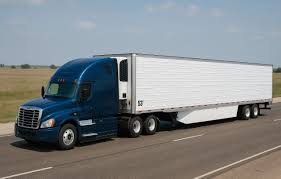
For many independent truckers across the United States, the difference between a profitable month and a stressful one often comes down to how efficiently their time is managed off the road. Truck dispatch services have become a common part of how owner-operators and small fleets handle the administrative side of trucking, from finding loads to negotiating rates and keeping paperwork in order. Understanding what these services actually do — and what they don’t — can help drivers decide whether working with a dispatcher fits their business model.
This article looks at how dispatching works in practice, what tasks are typically handled, and what owner-operators should know before bringing a dispatcher into their operation.
What Does a Truck Dispatcher Actually Do?
A EverMark Dispatchers acts as the communication and logistics layer between a driver and the freight market. Their core responsibilities usually include searching load boards, contacting brokers, negotiating rates, confirming pickup and delivery details, and tracking the shipment until it’s completed.
For a driver running solo, this work competes directly with hours spent behind the wheel. A trucker who spends two or three hours a day calling brokers and checking load boards is losing time that could be spent driving or resting. Dispatchers take on that workload so drivers can focus on the physical task of moving freight.
It’s worth noting that dispatchers don’t own the freight, set company policy, or make decisions about a driver’s authority. They work within the parameters the driver sets — preferred routes, minimum rates, equipment type, and home time requirements.
Why Independent Drivers Use Dispatching Support
Owner-operators run their own small businesses, which means every hour spent on logistics is an hour not spent generating revenue from driving. This is one of the main reasons dispatching support has grown in popularity, particularly among newer operators who haven’t yet built relationships with brokers or shippers.
Consider a driver based in Ohio who specializes in dry van freight along the I-70 corridor. Without dispatch support, that driver might spend their morning calling five or six brokers, negotiating rates, and waiting on confirmations — all before starting their first run of the day. With a dispatcher handling that process, the same driver can be loaded and moving earlier, potentially fitting in an extra short haul before the day ends.
For drivers who travel longer routes or operate in regions with less predictable freight, dispatch support can also help fill gaps between loads, reducing deadhead miles and idle time.
How Dispatchers Find and Negotiate Loads
Most dispatchers work across multiple load boards and maintain relationships with freight brokers, which gives them visibility into available freight that an individual driver might not easily find on their own. They typically filter loads based on a driver’s equipment type, location, and rate expectations before presenting options.
Negotiation is a significant part of this process. Rates on load boards are often starting points rather than final figures, and a dispatcher familiar with current market rates for a given lane can negotiate more effectively than someone unfamiliar with recent pricing trends. This is especially relevant given how much freight rates can fluctuate based on season, fuel costs, and regional demand.
A dispatcher who regularly works certain lanes — say, refrigerated freight moving out of California’s Central Valley — will often have a clearer sense of what’s a fair rate versus what’s below market, simply because they’re tracking that lane daily.
Paperwork, Compliance, and Communication
Beyond finding freight, dispatchers often handle a portion of the documentation that comes with each load. This can include rate confirmations, tracking updates for brokers, and communication if delays occur due to weather, mechanical issues, or detention time at a shipping facility.
This administrative support matters more than it might seem at first glance. Detention time disputes, for example, are a common source of lost revenue for owner-operators. A dispatcher who documents pickup and delivery times accurately and communicates promptly with the broker can make it easier to recover detention pay when a driver is held beyond the agreed window.
That said, dispatchers are not a substitute for compliance management related to a carrier’s DOT authority, insurance, or safety ratings. Those responsibilities remain with the carrier, and drivers should be cautious of any service that suggests otherwise.
What to Look for When Choosing Truck Dispatch Services
Not all dispatching arrangements work the same way, and the fit often depends on a driver’s freight type, region, and business goals. A few practical considerations include:
- Fee structure: Most dispatchers charge a percentage of each load, typically ranging from around 5% to 10%, though this varies. Understanding how and when this fee is calculated — before or after fuel surcharges, for example — matters for accurate profit tracking.
- Communication style: Some drivers prefer frequent updates throughout the day, while others want minimal contact unless something needs attention. Clarifying expectations early avoids friction later.
- Specialization: A dispatcher familiar with a driver’s specific equipment — flatbed, reefer, tanker, or dry van — and preferred regions will generally be more effective than one working broadly across all freight types.
- Transparency on rates: Drivers benefit from dispatchers who share the original rate confirmation from the broker, rather than only providing a final number after fees are deducted.
Services like EverMark Dispatchers operate within this general framework, working alongside owner-operators to manage load searches and broker communication based on the driver’s stated preferences and authority.
Common Misconceptions About Dispatch Services
One frequent misunderstanding is that hiring a dispatcher means giving up control over which loads to take. In most legitimate arrangements, the driver retains final say — the dispatcher presents options, but the decision to accept or decline a load rests with the carrier.
Another misconception is that dispatch fees eat significantly into profits without providing measurable value. In practice, the value tends to show up in time saved and in the rates negotiated, particularly for drivers who would otherwise accept lower rates simply because they lack time to shop around.
It’s also worth noting that dispatching is not the same as freight brokering. A broker arranges the transaction between shipper and carrier and is licensed accordingly. A dispatcher, by contrast, works on behalf of the carrier to find and secure loads — an important distinction when it comes to understanding who is representing whose interests in a transaction.
Final Thoughts
For owner-operators trying to balance time on the road with the business side of trucking, truck dispatch services can offer a practical way to reduce administrative workload while staying focused on driving. Like any business decision, the value depends on clear communication, EverMark Trucks fee structures, and a working relationship built on trust between the driver and the dispatcher. Drivers considering this option are often best served by asking detailed questions upfront, reviewing how rates and fees are reported, and starting with a small trial period before making dispatching a permanent part of their operation.
