


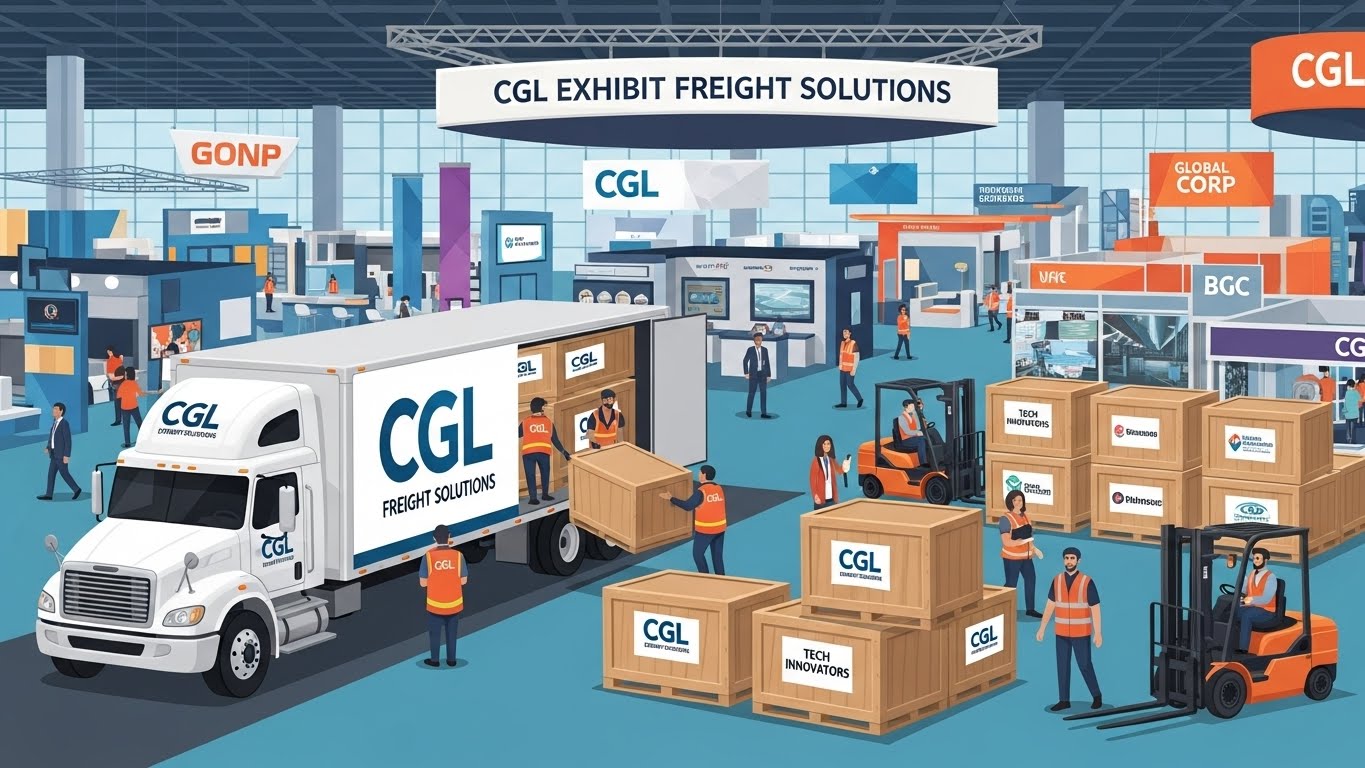
Picture a large trade show in Las Vegas where companies from around the world are showcasing their latest products. Everything is set—the booths are designed, the teams have arrived, and visitors are already walking in. But behind the scenes, one missing shipment can disrupt the entire plan. In logistics, timing is not flexible; even a short delay can lead to financial loss and missed business opportunities. This is why global shipping depends on precise coordination rather than just transportation.
Every year, millions of tons of goods move across states and countries through a network of carriers, ports, and warehouses. Yet, businesses rarely deal with each step directly. Instead, they rely on professionals who organize the entire process, from documentation to delivery. This is where the role of a freight forwarder becomes essential, especially in a busy logistics hub like Nevada, where trade shows, imports, and commercial shipping demand smooth and timely movement of goods.
Understanding the Role of a Freight Forwarder
At its core, a freight forwarder is a logistics coordinator. They don’t usually move goods themselves. Instead, they arrange and manage the entire shipping process from start to finish.
Think of them as the link between:
- Shippers (you or your business)
- Carriers (airlines, shipping lines, trucking companies)
- Customs authorities
- Warehousing providers
Rather than dealing with each party separately, you work with one expert who handles everything.
How the Process Works (Step-by-Step)
To make things clearer, here’s how a typical shipment flows when a freight forwarder is involved.
1. Planning the Shipment
The process begins with careful planning. The forwarder first studies the cargo in detail, including its size, weight, type of goods, destination, and urgency. This step is important because every shipment has different requirements. Based on this information, they decide the most suitable route and transport method, whether it is by air, sea, or land, ensuring the shipment moves in the most efficient and cost-effective way.
2. Booking Transportation
Once the plan is finalized, the forwarder moves on to booking transportation. They coordinate with carriers such as trucking companies, airlines, or shipping lines to secure space for the cargo. Since freight forwarders handle multiple shipments regularly, they often have strong industry relationships, which can help them obtain better rates and more reliable scheduling compared to individual shippers.
3. Documentation Handling
After booking, the focus shifts to documentation. Shipping requires several important papers, including bills of lading, commercial invoices, and packing lists. These documents ensure that the shipment is properly recorded and legally compliant. For international deliveries, the paperwork becomes even more detailed, and the forwarder ensures everything is accurate to prevent delays or penalties at checkpoints.
4. Customs Clearance
When goods cross borders, customs clearance becomes a critical step. The freight forwarder manages this process by making sure all declarations are correctly filed and that duties and taxes are properly handled. They also ensure compliance with import and export regulations, which helps prevent shipments from being held or delayed by customs authorities.
5. Warehousing and Distribution
In some cases, shipments cannot be delivered immediately and require temporary storage. To handle this, forwarders arrange warehousing solutions where goods can be safely stored. They also manage inventory handling and prepare shipments for the next stage of movement. If needed, they coordinate final distribution so the cargo reaches its exact destination without complications.
6. Delivery and Tracking
Finally, the shipment is delivered to its destination. Throughout this stage, the freight forwarder continues to monitor progress and provides updates to the client. Tracking systems help businesses stay informed in real time, ensuring transparency and allowing them to plan ahead with confidence until the shipment safely arrives.
Why Nevada Businesses Use Freight Forwarders
Nevada, especially cities like Las Vegas and Reno, plays a unique role in logistics. It connects major trade routes across the western United States. At the same time, it hosts large events and exhibitions that require precise delivery schedules.
Because of this, businesses in Nevada often deal with:
- Tight delivery deadlines
- High-value or fragile shipments
- Complex logistics during events
A freight forwarder helps manage these challenges efficiently.
Key Services You Can Expect
Freight forwarders in Nevada offer a wide range of services. Here’s a closer look:
1. Multi-Modal Transportation
They combine different transport methods for efficiency:
- Truck + air
- Ocean + rail
- Dedicated trucking for urgent shipments
2. Time-Sensitive Shipping
Some industries cannot afford delays. For example:
- Trade shows
- Retail launches
- Seasonal products
Forwarders create schedules that reduce the risk of late arrivals.
3. Cost Optimization
Shipping costs can vary widely. A forwarder helps by:
- Comparing carrier rates
- Consolidating shipments
- Avoiding hidden fees
4. Risk Management
They help reduce risks such as:
- Damaged goods
- Lost shipments
- Compliance penalties
Many also offer cargo insurance options.
5. Specialized Handling
Certain goods need extra care:
- Fragile items
- Oversized cargo
- Temperature-sensitive products
Forwarders arrange proper packaging and transport conditions.
A Simple Visual Breakdown
Here’s a simplified view of how responsibilities are divided:
| Stage | Who Handles It |
| Shipment planning | Freight forwarder |
| Transport booking | Freight forwarder |
| Cargo movement | Carrier (truck/air/sea) |
| Documentation | Freight forwarder |
| Customs clearance | Forwarder or broker |
| Final delivery | Carrier / local partner |
This structure shows how the forwarder acts as the central coordinator.
When Should You Use a Freight Forwarder?
Not every shipment needs one. However, using a forwarder makes sense when:
- You are shipping internationally
- Your cargo is time-sensitive
- You lack in-house logistics expertise
- Your shipments involve multiple transport modes
Even for domestic shipping, a forwarder can simplify operations and save time.
Final Thoughts
Freight forwarding is not just about transportation. It is about coordination, planning, and problem-solving. In a state like Nevada, where logistics can be fast-paced and time-sensitive, having the right partner can make a significant difference.
By handling the details behind the scenes, a freight forwarder in Nevada allows businesses to focus on what they do best—serving their customers and growing their operations.
