


Whether you are relocating, downsizing, managing a business, or simply creating more space at home, self-storage facilities have become a convenient solution for storing belongings safely. However, many people overlook one critical aspect of storage planning: storage unit rental insurance.
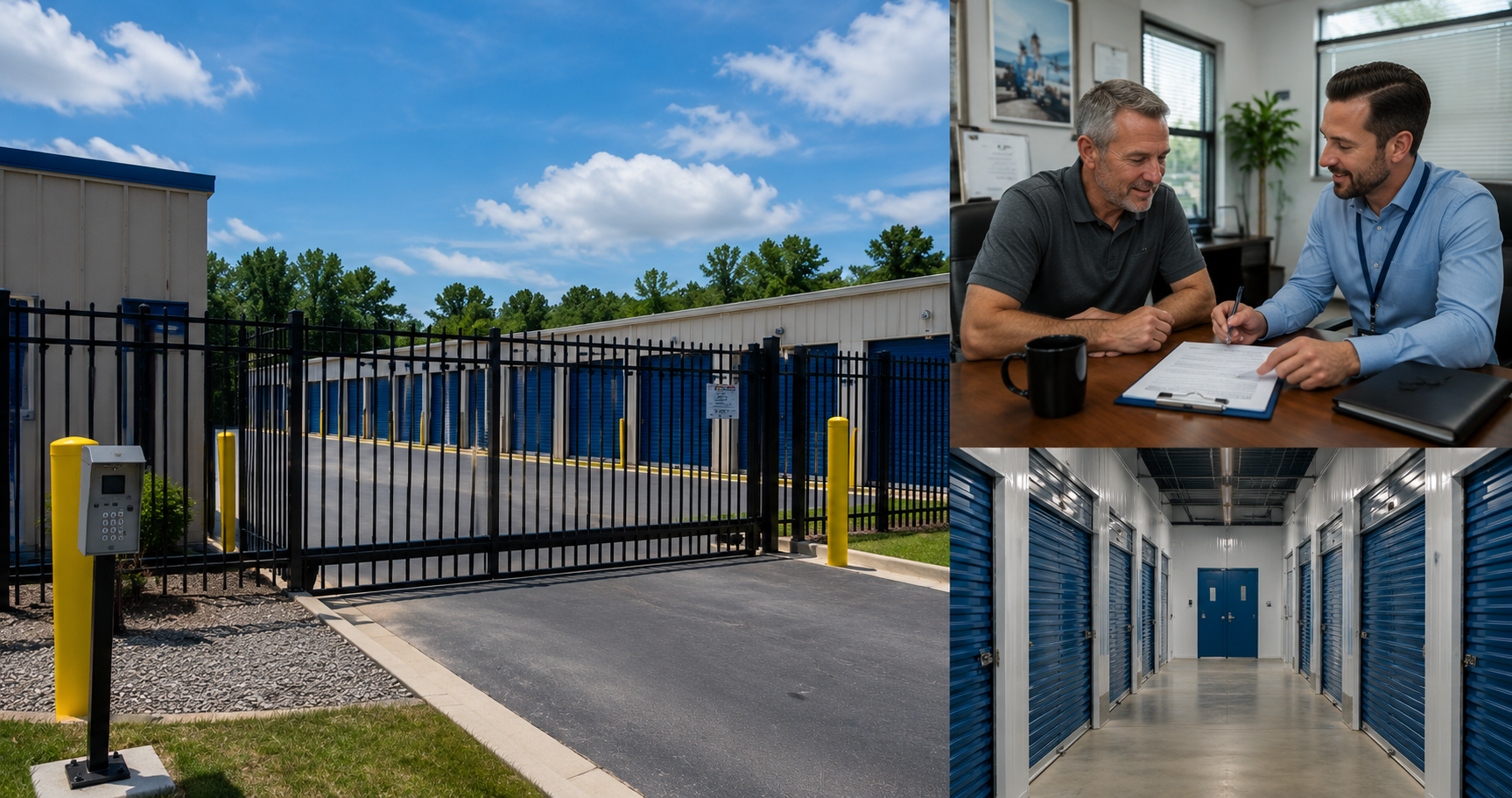
When valuables are placed inside a storage unit for weeks, months, or even years, they become exposed to a variety of risks. While storage facilities often provide security systems, surveillance cameras, gated access, and secure fencing, these measures alone cannot guarantee complete protection against unexpected events.
Storage unit rental insurance helps bridge that gap by offering financial protection for your stored possessions. From furniture and electronics to business inventory and family heirlooms, insurance helps ensure that a covered loss does not turn into a major financial setback.
Understanding Storage Unit Rental Insurance
Storage unit rental insurance is a policy specifically designed to protect personal property stored in a rented storage space. Unlike the storage facility itself, which typically limits liability through rental agreements, insurance focuses on compensating tenants when covered losses occur.
Many renters mistakenly believe that the storage facility will reimburse them if their belongings are damaged or stolen. In reality, most storage operators clearly state that tenants are responsible for protecting their own property.
This is why dedicated storage insurance has become an important part of responsible storage management.
Coverage often includes protection against:
- Theft
- Fire damage
- Smoke damage
- Vandalism
- Windstorms
- Lightning
- Water damage from certain causes
- Building-related incidents
The exact coverage depends on the provider and policy selected.
The Growing Popularity of Self-Storage
The self-storage industry continues to grow because people increasingly need flexible storage solutions.
Common reasons for renting storage units include:
- Home renovations
- Moving between properties
- Military deployment
- College transitions
- Business inventory storage
- Seasonal item storage
- Estate management
- Downsizing after retirement
As storage becomes a larger part of everyday life, protecting stored assets has become equally important.
Many individuals store thousands of dollars worth of belongings without fully considering what could happen if those items were lost or damaged.
Why Long-Term Storage Creates Additional Risks
While any storage period involves some risk, long-term storage introduces additional concerns.
The longer belongings remain in a storage facility, the greater the chance that unexpected events may occur.
Environmental Exposure
Items stored for months or years can experience prolonged exposure to humidity, temperature fluctuations, dust, and moisture.
Furniture, documents, electronics, artwork, and clothing may suffer gradual deterioration if conditions are not ideal.
Security Concerns
Even highly secure facilities can occasionally experience break-ins or unauthorized access attempts.
Storage unit rental insurance provides an added layer of protection if theft occurs despite security measures.
Facility-Related Incidents
Unexpected structural issues such as roof leaks, plumbing failures, or electrical problems can damage stored belongings.
Insurance coverage can help reduce the financial burden associated with these events.
Natural Disasters
Severe weather can impact storage facilities in many regions.
Storms, hail, flooding, lightning strikes, and high winds can create substantial losses for storage tenants.
Insurance helps protect against many weather-related risks that may affect stored property.
Common Items That Benefit from Storage Insurance
Almost every storage renter can benefit from insurance protection, especially when storing valuable or difficult-to-replace belongings.
Frequently insured items include:
Household Furniture
Beds, sofas, dining sets, office furniture, and antique furnishings often represent significant investments.
Electronics
Computers, televisions, gaming systems, sound equipment, and home office technology can be costly to replace.
Appliances
Refrigerators, washers, dryers, microwaves, and other household appliances may require substantial replacement expenses.
Business Equipment
Small businesses frequently use storage units for inventory, tools, marketing materials, and equipment.
Collectibles
Coins, sports memorabilia, collectibles, and specialty collections often require additional protection.
Personal Keepsakes
Family photographs, heirlooms, and sentimental items may hold value that extends beyond their monetary worth.
The Financial Benefits of Storage Unit Rental Insurance
One of the biggest advantages of storage insurance is financial protection.
Many renters underestimate the combined value of stored belongings.
For example:
- Furniture: $4,000
- Electronics: $2,500
- Appliances: $3,000
- Clothing and personal items: $2,000
- Collectibles: $1,500
The total value could easily exceed $10,000.
Without insurance, replacing these items after a loss could place significant strain on personal finances.
Storage unit rental insurance helps reduce this risk by providing compensation for covered losses.
How Storage Insurance Differs from Facility Security
A common misconception is that security features eliminate the need for insurance.
While security systems are valuable, they serve a different purpose.
Security Helps Prevent Loss
Facilities often invest in:
- Video surveillance
- Electronic gate access
- Perimeter fencing
- On-site management
- Individual unit locks
These features help reduce risks.
Insurance Helps Recover Losses
If a covered event still occurs, insurance helps compensate for the financial impact.
Security attempts to stop problems before they happen.
Insurance helps after a loss has occurred.
Both work together to provide comprehensive protection.
Choosing the Right Coverage Amount
Selecting the proper coverage limit is one of the most important decisions when purchasing storage insurance.
Start by creating a complete inventory of your stored items.
Include:
- Description of each item
- Estimated replacement value
- Purchase receipts if available
- Photographs of valuable belongings
This documentation not only helps determine coverage needs but also simplifies the claims process if a loss occurs.
Many insurance providers offer multiple coverage levels to accommodate different storage situations.
The goal is to select a policy that adequately reflects the value of everything inside the unit.
Tips for Keeping Stored Belongings Safe
While insurance provides protection, preventative measures remain important.
Use Strong Locks
Invest in high-quality storage locks that are difficult to cut or tamper with.
Organize Properly
Store heavier items at the bottom and fragile items in protective containers.
Elevate Valuable Items
Keeping belongings off the floor may help reduce exposure to minor water issues.
Use Climate-Controlled Units
Climate-controlled storage can help preserve sensitive items such as electronics, artwork, documents, and wooden furniture.
Inspect Your Unit Regularly
Periodic visits allow you to identify potential issues before they become major problems.
Why Specialized Storage Insurance Makes Sense
Dedicated storage insurance is specifically designed for self-storage environments.
Unlike some homeowners or renters insurance policies that may have limited off-premises coverage, specialized storage policies focus directly on protecting stored belongings.
Benefits may include:
- Affordable monthly costs
- Flexible coverage limits
- Easy enrollment
- Coverage tailored to storage risks
- Simplified claims procedures
- Protection for a wide variety of stored items
This specialized approach often provides greater convenience for storage renters.
The Peace of Mind Factor
One of the most valuable benefits of storage unit rental insurance is peace of mind.
People store belongings because they want them protected and available when needed.
Knowing that those possessions have financial protection allows tenants to focus on their move, business operations, travel plans, or life transitions without constant worry.
Whether you are storing household goods for a few months or maintaining long-term storage for several years, insurance can help provide confidence that your belongings are protected against unexpected events.
Conclusion
Self-storage offers flexibility, convenience, and additional space, but it also introduces risks that should not be ignored. Theft, fire, water damage, vandalism, and severe weather can all threaten valuable belongings stored inside a rental unit.
Storage unit rental insurance serves as a practical solution for protecting those assets and minimizing potential financial losses. By choosing appropriate coverage, maintaining an accurate inventory, and following smart storage practices, renters can significantly improve the safety of their stored property.
For anyone planning to use self-storage for an extended period, insurance should be viewed as an essential investment rather than an optional expense. A small monthly premium today can help prevent substantial financial losses in the future.
