

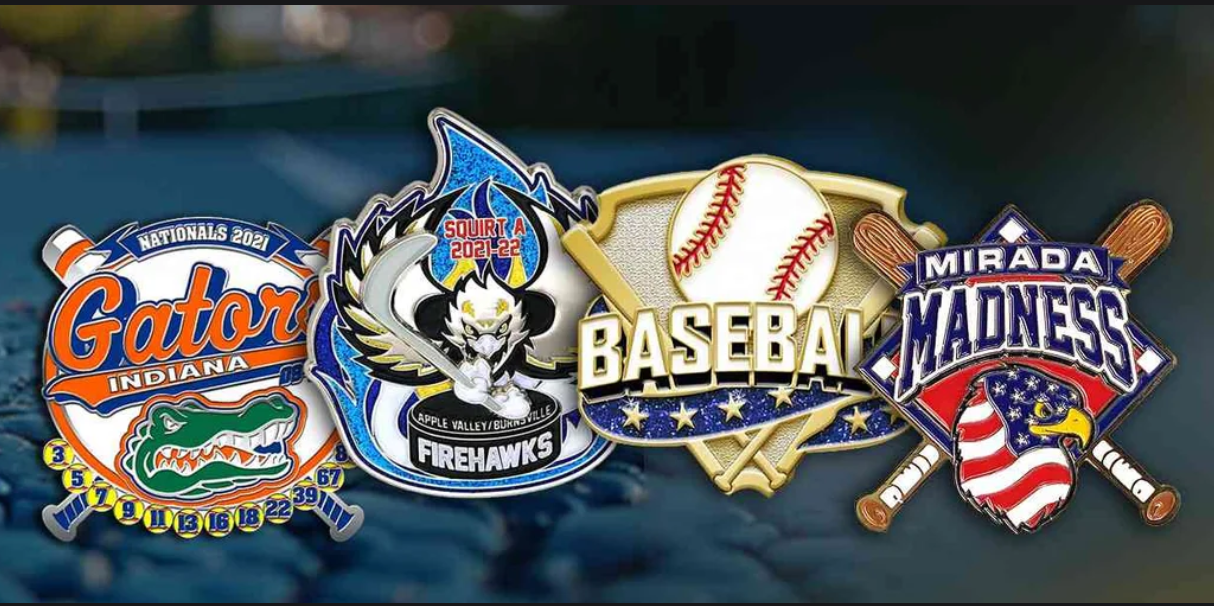
If you have ever walked through the gates of a youth baseball tournament, you already know that the excitement is not limited to what happens on the field. Look around and you will spot players proudly showing off lanyards loaded with colorful eye catching baseball trading pins tiny metal collectibles that carry big memories. From first time players to lifelong collectors, these pins have become one of the most cherished traditions in the sport.
At Qiyi Gifts we have worked with hundreds of teams across the country, helping them design pins that players genuinely love to trade and keep. Whether you are a parent ordering pins for your child’s first big tournament or a coach who wants to level up your team’s presence this season, this guide will walk you through everything you need to know about baseball trading pins from their history and types to design tips and trading etiquette. And if you are ready to create something truly special, Qiyi Gifts is here to bring your vision to life.
What Are Baseball Trading Pins and Why Do They Matter
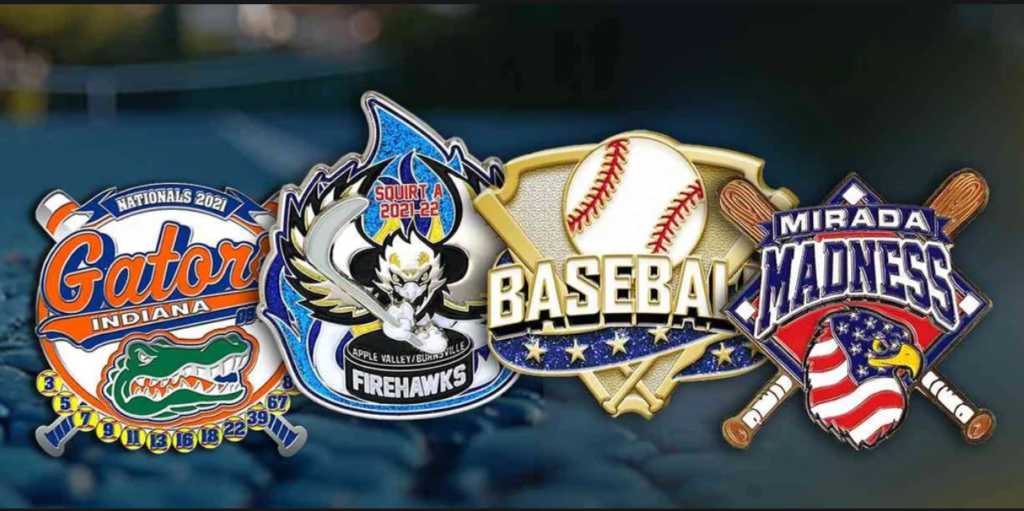
Baseball trading pins are custom-designed lapel-style pins that teams order before heading into tournaments. They typically display a team’s name, mascot, logo, and sometimes the year or event name. Players, coaches, and families exchange these pins with opponents and other teams throughout the tournament as a sign of sportsmanship and friendship.
What makes baseball trading pins so special is not just the design it is the human connection they create. A player who trades a pin with someone from a team across the country walks away with a physical memory of that moment. Years later, they may not remember the final score of every game, but they will remember the pins on their lanyard.
The tradition runs especially deep at major youth tournaments. At events like Cooperstown Dreams Park, trading pins can become just as talked about as the games themselves.
A Brief History of Baseball Trading Pins
The tradition of exchanging pins at sporting events traces back to the Olympic Games, where athletes and officials began swapping commemorative pins as far back as the late 1800s. Youth baseball adopted this culture much later, with travel tournaments in the 1980s and 1990s bringing the practice into the mainstream.
What started as simple round pins with a team name printed on them quickly evolved into something far more creative. Teams began competing not just on the diamond but for who could bring the most creative, unique, or interactive baseball trading pins to the tournament. Today, the designs can include spinning elements, dangling charms, glitter fills, glow in the dark coatings and even LED lights.
The tradition has grown so deeply rooted in baseball culture that many families now treat the pin order as seriously as the team uniform order.
Types of Baseball Trading Pins You Should Know
Not every pin is the same, and knowing your options helps you order smartly. Here is a breakdown of the most popular styles.
Soft Enamel Pins These are the most common type of baseball trading pins and usually the most budget friendly. Colors sit in recessed areas, giving the pin a slightly textured feel. They look sharp, hold detail well, and are a great choice for first-time teams.
Hard Enamel Pins Also known as cloisonné pins, these have a smooth, polished surface that feels more premium. They are more durable and give off a jewelry like finish. Teams that want their pin to feel high-end often go this route.
Spinner Pins These include a rotating element like a spinning baseball or wheel attached to the main design. They are interactive, fun, and highly sought-after on the trading floor. If you want your pin to trade fast, a spinner is a smart investment.
Dangle Pins Dangle pins feature a hanging element that swings freely from the main body of the pin. They add movement and visual interest, making them stand out when worn on a lanyard.
Specialty Pins This category covers glitter-fill pins, glow-in-the-dark pins, and LED-lit pins. These are typically ordered in smaller quantities due to higher production costs, but they become the most coveted trades at any tournament. Consider ordering a small batch alongside your standard design to use as power trades.
How to Design Baseball Trading Pins That Everyone Wants to Trade
A well-designed pin can make your team the most popular trading stop at the entire tournament. Here are the key things to keep in mind when creating your design:
Keep it bold and simple. Pins are small usually between 1.5 and 2 inches. Fine details and small text get lost at that size. Strong shapes, thick outlines, and high-contrast colors always win.
Lead with your mascot. A lively, expressive mascot character is the single most tradeable element on any baseball trading pin. Make it dynamic and specific to your team’s personality.
Include the year and event. Adding the tournament name and year transforms your pin from a promotional item into a keepsake. Players hold on to dated pins because they mark a specific moment in their baseball journey.
Use three to five colors maximum. Too many colors can make a pin look cluttered when manufactured. A focused palette almost always produces a cleaner, more striking result.
Add something personal. A small nod to your city, your school’s history, or an inside team reference gives your pin a story and people trade for stories.
Work with a trusted supplier. At Qiyi Gifts every order includes a detailed proof review before production begins, so the final product looks exactly the way you imagined it.
Baseball Trading Pin Etiquette The Unwritten Rules
Trading pins is a social tradition, and a few simple guidelines help keep it fun and respectful for everyone involved.
Always ask first. Approach someone politely and ask if they would like to trade. Never take a pin from someone’s bag or lanyard without permission.
One for one. The standard exchange is one pin for one pin. Keep it simple, especially at youth tournaments where kids are learning the ropes.
Accept a no gracefully. Not everyone wants to trade every pin they have, and that is perfectly fine. The spirit of the tradition is goodwill, not pressure.
Trade with opponents after games. Some of the most memorable pin trades happen right after a game win or lose. It teaches young players that competition and friendship go hand in hand.
How Many Pins Should Your Team Order
For a week-long tournament, most teams bring between 100 and 200 pins. For a shorter weekend event, 50 to 75 pins per player is usually enough. At larger national tournaments where trading culture is intense, plan toward the higher end.
Do not forget that coaches, parents, and siblings often want to join in too. Factor them into your count so nobody is left out.
Final Thoughts
Baseball trading pins are more than a souvenir they are part of what makes tournament baseball such a memorable experience for young players and their families. A great pin represents your team’s pride, sparks conversations with strangers, and creates friendships that outlast the tournament itself.
If you are ready to design pins your team will be proud to wear and trade, Qiyi Gifts makes the process simple, affordable, and genuinely enjoyable. From soft enamel classics to custom spinner designs, the team at Qiyi Gifts is ready to help you create baseball trading pins that people will be chasing all tournament long.