


Why Multi-Functional Spaces Are Growing in Popularity
Modern homeowners want flexibility. Families grow, work habits change, and homes need to adapt without constant remodeling.
Benefits of Multi-Functional Design
- Better use of available square footage
- More flexibility for changing needs
- Reduced clutter through smarter layouts
- Improved long-term practicality
This approach is especially valuable in homes where space is limited or layouts are more open.
Combining Living Rooms and Home Offices
One of the most common renovation requests today is creating a workspace within the living area.
Making It Work
The key is subtle separation rather than trying to force a fully independent office into the room.
Practical Solutions
- Built-in desks integrated into shelving
- Compact workstations near windows
- Storage that conceals office equipment when not in use
A Personal Observation
A common mistake I see is treating the workspace as completely separate from the living room style. This often makes the office area feel awkward or temporary.
Using matching finishes and cohesive materials creates a much smoother result.
Guest Rooms That Serve Daily Purposes
Many guest rooms sit unused most of the year. Renovations now focus on giving these spaces practical everyday functions.
Dual-Purpose Ideas
- Home office with a sleeper sofa
- Fitness room with fold-away furniture
- Reading lounge that converts into a guest area
The goal is flexibility without sacrificing comfort.
Open-Concept Kitchens with Defined Zones
Open layouts remain popular, but completely undefined spaces can sometimes feel disorganized.
Smart Zoning Techniques
- Area rugs to visually separate spaces
- Lighting changes between zones
- Kitchen islands that act as subtle dividers
These small adjustments help each section maintain its own identity while preserving openness.
Flexible Furniture Makes a Big Difference
Furniture selection plays a major role in successful multi-functional design.
Useful Features to Look For
- Extendable tables
- Storage benches
- Fold-away desks
- Modular seating systems
The best furniture pieces support multiple activities without making the room feel crowded.
Insider Tips from Real Renovation Projects
Tip 1: Prioritize Storage Early
Multi-functional rooms become cluttered quickly if storage isn’t planned from the beginning.
Integrated storage solutions help maintain visual order and allow the room to transition between functions more easily.
Tip 2: Plan Electrical Layouts Carefully
This detail gets overlooked often.
If a room serves multiple purposes, outlets and lighting controls need to support different furniture arrangements and activities.
Planning this early avoids frustrating limitations later.
Using Sliding Partitions for Flexibility
Movable dividers have become increasingly popular in modern renovations.
Popular Options
- Sliding glass panels
- Wood slat partitions
- Folding screens integrated into the design
These features allow rooms to shift between open and private configurations depending on the situation.
Multi-Functional Dining Areas
Dining rooms are no longer used only for meals.
Common Secondary Uses
- Homework stations
- Remote work setups
- Hobby or craft areas
Because of this, lighting and furniture selection become especially important.
A dining table may need to function comfortably for both meals and work sessions.
Small Bedrooms with Smarter Layouts
Compact bedrooms often benefit the most from multi-functional renovation strategies.
Practical Ideas
- Beds with integrated storage
- Wall-mounted desks
- Floating nightstands to free floor space
These solutions improve functionality without making the room feel cramped.
A Common Design Mistake
One issue I frequently notice is trying to include too many functions in a single room.
A room that attempts to become an office, gym, entertainment area, and guest room all at once usually ends up feeling chaotic.
The better approach is prioritizing two primary functions and supporting them properly.
Lighting Matters More Than People Expect
Lighting becomes especially important in rooms with multiple purposes.
Layered Lighting Works Best
- Ambient lighting for general use
- Task lighting for work or reading
- Accent lighting for atmosphere
This allows the room to adapt throughout the day without major changes.
Storage as a Design Feature
Storage should support the room aesthetically as well as functionally.
Effective Approaches
- Floor-to-ceiling built-ins
- Hidden storage compartments
- Furniture with integrated storage
These features reduce visual clutter and improve flexibility.
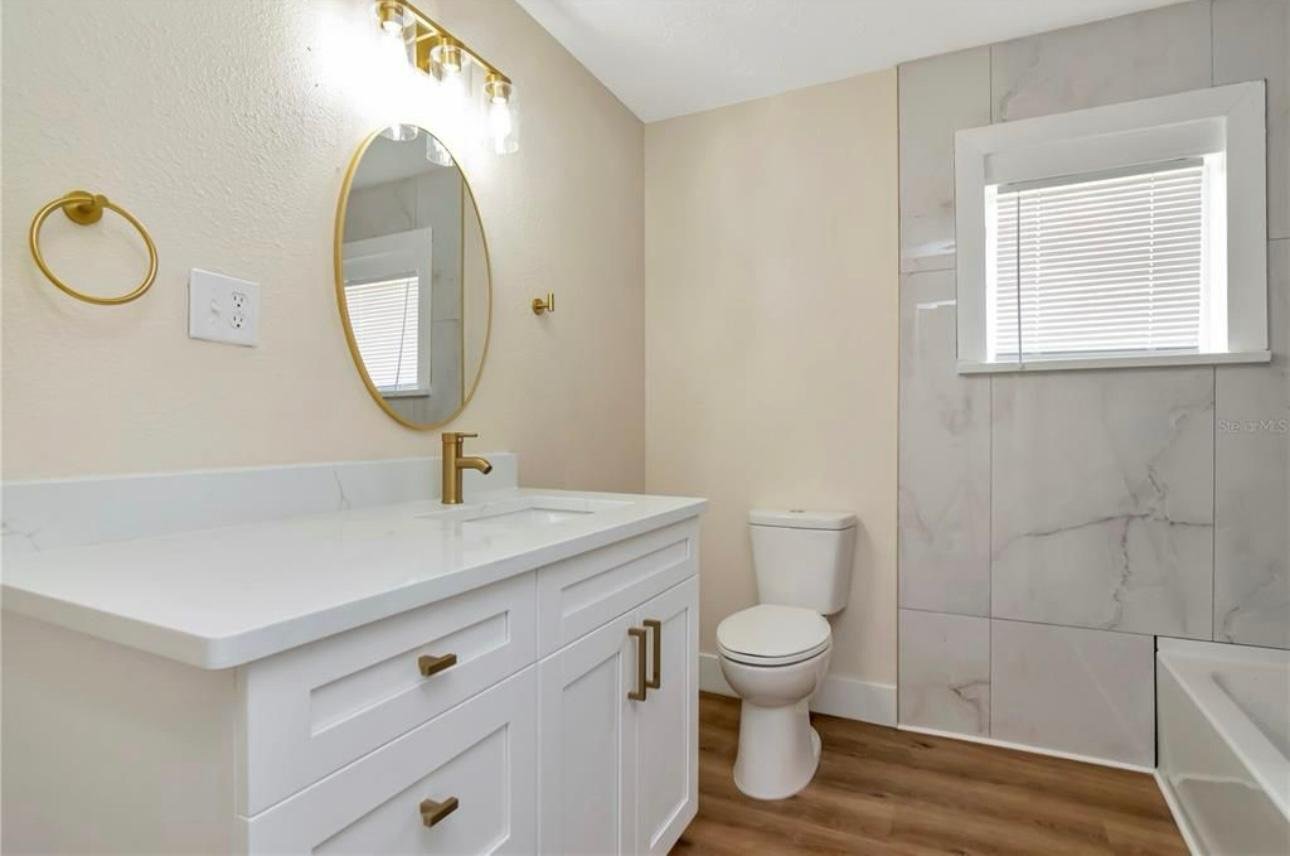
For example, thoughtful renovation planning—like the kind discussed in this guide on bathroom remodeling contractor plant city fl—often emphasizes how layout and storage decisions impact long-term functionality throughout the home.
Color and Material Consistency
Multi-functional rooms work best when there’s a strong sense of visual cohesion.
Helpful Design Strategies
- Use a limited color palette
- Repeat materials across zones
- Keep transitions subtle
This prevents the room from feeling fragmented.
Real-Life Example: One Room, Three Uses
In one renovation project, a family needed a space that could function as:
- A home office
- A guest room
- A reading area
Instead of dividing the room with permanent walls, we focused on flexibility:
- Built-in shelving with a fold-down desk
- A sleeper sofa
- Layered lighting and concealed storage
The result felt calm and organized rather than overloaded.
Interestingly, the simplicity of the design made the room more functional than adding more furniture ever would have.
Acoustic Considerations Often Get Ignored
Open and flexible rooms can create sound challenges.
Simple Ways to Improve Acoustics
- Area rugs
- Upholstered furniture
- Curtains or fabric panels
These elements soften noise and make the room feel more comfortable overall.
Balancing Functionality and Comfort
Practicality matters, but comfort should never be sacrificed.
A room that functions perfectly but feels cold or overly structured won’t be enjoyable to use daily.
The Best Spaces Usually Include
- Comfortable seating
- Warm lighting
- Soft textures
- Thoughtful spacing between furniture pieces
These details make the room feel lived-in rather than engineered.
Bringing It All Together
Successful multi-functional renovation is really about adaptability.
When rooms are designed thoughtfully, they can support changing routines without feeling cluttered or temporary.
The most effective designs focus on:
- Flexibility
- Storage
- Cohesive materials
- Balanced layouts
rather than trying to maximize every inch aggressively.
Final Thoughts
Multi-functional room renovation ideas continue to evolve because modern living demands flexibility. Homes are no longer designed around single-purpose rooms—they’re designed around how people actually live day to day.
