What Is a Free Trauma Test and How Does It Work?

Many people go through painful or overwhelming life experiences. Some recover with time and support, while others continue to feel the emotional effects long after the event has passed. Trauma can affect how a person thinks, feels, reacts, and connects with others.

Sometimes people do not realize that their anxiety, fear, emotional numbness, or stress responses may be connected to past trauma. They may simply feel “different,” emotionally exhausted, or constantly on edge without understanding why.

This is one reason many people search for a free trauma test online.

A free trauma test can help people explore whether their symptoms may be linked to trauma or post-traumatic stress. It is often a simple screening tool that asks questions about emotions, behavior, stress responses, and past experiences.

Although a free trauma test cannot diagnose a mental health condition, it can provide useful insight and help someone decide whether professional support may be helpful.

In this blog, you will learn what a free trauma test is, how it works, what symptoms it measures, and when you should consider taking one.

What Is Trauma?

Trauma is the emotional and psychological response to deeply stressful, frightening, or overwhelming experiences.

A traumatic event can make someone feel:

  • Unsafe
  • Helpless
  • Threatened
  • Overwhelmed
  • Emotionally shocked

Trauma can happen after one event or repeated experiences.

Common causes of trauma include:

  • Physical abuse
  • Emotional abuse
  • Sexual abuse
  • Childhood neglect
  • Domestic violence
  • Car accidents
  • Medical emergencies
  • Natural disasters
  • Loss of a loved one
  • Serious illness
  • Bullying
  • Witnessing violence

Not everyone reacts to difficult experiences in the same way.

Two people may go through the same event but respond differently.

Trauma depends on how the nervous system and mind process the experience.

How Trauma Can Affect Daily Life

Trauma can impact many areas of life.

It may affect:

  • Emotional health
  • Relationships
  • Sleep
  • Concentration
  • Physical health
  • Work performance

Some people recover quickly.

Others continue to experience symptoms for months or years.

Trauma symptoms can interfere with daily functioning and emotional well-being.

Common Signs and Symptoms of Trauma

Trauma symptoms vary from person to person.

Common emotional symptoms include:

  • Anxiety
  • Fear
  • Emotional numbness
  • Irritability
  • Sadness
  • Mood swings
  • Feeling disconnected

Common mental symptoms include:

  • Flashbacks
  • Intrusive memories
  • Nightmares
  • Difficulty concentrating
  • Negative thoughts

Behavioral symptoms may include:

  • Avoidance of reminders
  • Social withdrawal
  • Difficulty trusting others
  • Hypervigilance

Physical symptoms may include:

  • Fatigue
  • Headaches
  • Muscle tension
  • Sleep problems
  • Racing heart
  • Digestive issues

Trauma can affect both mind and body.

What Is a Free Trauma Test?

A free trauma test is an online self-assessment tool that screens for trauma-related symptoms.

It usually asks a series of questions designed to identify emotional and behavioral patterns linked to trauma.

A trauma test often explores:

  • Emotional regulation
  • Anxiety levels
  • Trauma history
  • Stress reactions
  • Sleep patterns
  • Avoidance behaviors

The goal is to help someone better understand whether their symptoms may be related to trauma.

A free trauma test can help answer questions such as:

  • Are my symptoms linked to trauma?
  • Is my anxiety connected to past experiences?
  • Should I seek therapy or support?

A trauma test is not a diagnosis.

It is only a screening tool.

How Does a Free Trauma Test Work?

A free trauma test is usually simple and easy to complete.

Most tests take between 5 and 15 minutes.

The process usually includes several steps.

1. Symptom Questions

The test begins with questions about symptoms.

These questions may ask:

  • Do you feel constantly alert or on edge?
  • Do you have upsetting memories that appear suddenly?
  • Do you feel emotionally numb?
  • Do you avoid certain places, people, or conversations?
  • Do you experience nightmares or poor sleep?

These questions help identify trauma-related patterns.

2. Emotional Response Assessment

Trauma often affects emotional regulation.

A trauma test may ask:

  • Do you struggle to calm down after stress?
  • Do you feel emotionally detached?
  • Do you overreact to triggers?

Some people with trauma feel emotions very strongly.

Others feel emotionally disconnected or numb.

Both responses can happen after trauma.

3. Anxiety and Hypervigilance Questions

Trauma can keep the nervous system in survival mode.

This means the body stays alert even when no danger is present.

Questions may include:

  • Do you feel unsafe in normal situations?
  • Do you startle easily?
  • Do you constantly scan for danger?

This symptom is called hypervigilance.

It is common after trauma.

4. Avoidance Questions

Avoidance is another major trauma symptom.

A screening may ask:

  • Do you avoid thinking about painful events?
  • Do you avoid places linked to past trauma?
  • Do you avoid discussing certain memories?

Avoidance often develops as a coping strategy.

People try to protect themselves from emotional distress.

5. Trauma History Questions

Some tests ask about past experiences.

These questions may explore whether you have experienced:

  • Abuse
  • Violence
  • Loss
  • Accidents
  • Medical trauma
  • Childhood neglect

This helps connect symptoms to possible trauma exposure.

6. Results and Score Summary

After answering the questions, the test provides a result.

Results may show:

  • Low trauma symptoms
  • Moderate trauma symptoms
  • High trauma symptoms

Some tests also recommend next steps.

For example:

  • Consider therapy
  • Speak with a mental health professional
  • Explore trauma-focused support

Types of Free Trauma Tests

Different trauma tests focus on different concerns.

General Trauma Tests

General trauma tests screen for overall trauma symptoms.

They may measure:

  • Stress
  • Emotional symptoms
  • Behavioral patterns

These tests are common for first-time users.

PTSD Tests

Some screenings specifically focus on post-traumatic stress disorder.

These tests assess symptoms such as:

  • Flashbacks
  • Nightmares
  • Hypervigilance
  • Avoidance
  • Trauma triggers

PTSD is one possible response to trauma.

Childhood Trauma Tests

Childhood trauma tests explore early life experiences.

Questions may focus on:

  • Abuse
  • Neglect
  • Family conflict
  • Emotional safety

Early trauma can affect adult mental health for years.

Complex Trauma Tests

Complex trauma involves repeated or long-term traumatic experiences.

Examples include:

  • Chronic abuse
  • Ongoing neglect
  • Repeated unsafe environments

Complex trauma often affects:

  • Relationships
  • Self-worth
  • Emotional regulation

These tests explore deeper trauma patterns.

Who Should Take a Free Trauma Test?

A trauma test may be helpful if you experience symptoms such as:

  • Anxiety without clear cause
  • Emotional numbness
  • Flashbacks
  • Nightmares
  • Difficulty trusting others
  • Constant fear or tension
  • Relationship difficulties

You may also consider testing if you:

  • Experienced abuse or neglect
  • Survived a traumatic event
  • Feel emotionally affected by past experiences

Testing can help increase awareness.

Benefits of Taking a Free Trauma Test

A free trauma test offers several benefits.

Better Self-Awareness

Many people struggle with symptoms but do not understand the cause.

Testing can help connect symptoms to trauma.

Easy Access

Free trauma tests are:

  • Convenient
  • Private
  • Fast
  • Accessible online

This makes screening easier for many people.

Early Symptom Recognition

Recognizing trauma symptoms early can lead to earlier support.

Early intervention often improves recovery.

Motivation to Seek Help

Some people hesitate to seek therapy.

A trauma test may encourage someone to take the next step.

Limitations of Free Trauma Tests

Free trauma tests are helpful, but they have limits.

They cannot:

  • Diagnose PTSD or trauma disorders
  • Replace therapy
  • Provide treatment plans

Online results may also vary in quality.

A professional assessment is always more accurate.

What Happens After Taking a Free Trauma Test?

The next step depends on your results.

If Results Suggest Trauma Symptoms

If your results suggest trauma symptoms, consider speaking with a mental health professional.

Helpful professionals include:

  • Therapists
  • Psychologists
  • Psychiatrists
  • Trauma specialists

A professional can provide a full evaluation.

If Trauma Is Confirmed

Treatment options may include:

  • Trauma therapy
  • Cognitive Behavioral Therapy (CBT)
  • Eye Movement Desensitization and Reprocessing (EMDR)
  • Somatic therapy
  • Support groups

Treatment can help reduce symptoms and improve quality of life.

If Results Show Low Symptoms

Low scores do not always mean trauma is absent.

Some people underreport symptoms.

If you still feel concerned, professional support may still be helpful.

Can Trauma Be Treated?

Yes, trauma is treatable.

Many people improve with proper support.

Healing often involves:

  • Emotional processing
  • Nervous system regulation
  • Building coping skills
  • Safe relationships

Recovery may take time, but progress is possible.

Why Early Awareness Matters

Many people live with trauma symptoms for years without realizing it.

They may believe their reactions are personal weaknesses.

In reality, trauma responses are often survival patterns.

Understanding trauma is an important first step.

A free trauma test can help begin that process.

Conclusion

A free trauma test is an online screening tool designed to help people identify symptoms linked to trauma and post-traumatic stress.

It usually asks questions about anxiety, emotional regulation, sleep, avoidance, and past experiences.

Although a trauma test cannot diagnose a condition, it can provide useful insight into how past experiences may still be affecting daily life.


When Should You Consider a Borderline Personality Disorder Test?

Everyone experiences emotional ups and downs in life. Feeling sad after a breakup, angry during an argument, or anxious before an important event is normal. Emotions are part of being human. However, sometimes emotions become stronger, faster, and harder to manage than expected.

Some people feel emotional pain very deeply. They may struggle with sudden mood changes, unstable relationships, fear of rejection, or impulsive decisions. These patterns can make life feel stressful, confusing, and exhausting.

When this happens, many people start asking questions like:

  • Why do my emotions feel so intense?
  • Why do my relationships feel unstable?
  • Why do I react so strongly to rejection or conflict?

In many cases, people begin looking into borderline personality disorder, also called BPD.

A borderline personality disorder test can be a helpful first step for understanding emotional and behavioral patterns. It can help someone explore symptoms and decide whether they should seek professional support.

What Is Borderline Personality Disorder?

Borderline Personality Disorder is a mental health condition that affects emotions, relationships, behavior, and self-image.

People with BPD often feel emotions more intensely than others. Their emotional reactions can be strong, sudden, and difficult to control.

A small event may trigger a big emotional response.

For example:

  • A delayed text message may trigger panic
  • A disagreement may feel like rejection
  • A canceled plan may cause sadness or anger

These reactions can feel overwhelming and difficult to manage.

Borderline personality disorder often affects:

  • Romantic relationships
  • Friendships
  • Family connections
  • Work performance
  • School life
  • Daily emotional functioning

Common symptoms of BPD include:

  • Fear of abandonment
  • Unstable relationships
  • Mood swings
  • Impulsive behavior
  • Strong anger
  • Low self-esteem
  • Chronic emptiness
  • Self-harm thoughts or behaviors

Symptoms often begin in teenage years or early adulthood.

Without treatment, BPD can create long-term emotional challenges.

What Is a Borderline Personality Disorder Test?

A borderline personality disorder test is a screening tool used to identify symptoms linked to BPD.

The test usually asks questions about:

  • Emotions
  • Relationships
  • Behavior patterns
  • Self-image
  • Mood changes
  • Coping habits

The goal is to identify whether someone shows common patterns linked to borderline personality disorder.

A screening can help answer questions like:

  • Do my symptoms match BPD?
  • Are my emotional struggles more than everyday stress?
  • Should I seek professional help?

Online BPD tests are often the first step for many people.

These tests do not diagnose BPD, but they can provide helpful insight.

When Should You Consider a Borderline Personality Disorder Test?

Not everyone who feels emotional stress has BPD. Life challenges, trauma, anxiety, and depression can also affect emotions.

However, some emotional patterns may suggest that taking a BPD test could be helpful.

1. Your Emotions Feel Stronger Than Other People’s

One common reason to consider a BPD test is emotional intensity.

You may notice that:

  • Small problems feel overwhelming
  • Emotional pain feels extreme
  • It takes a long time to calm down

For example:

A simple disagreement may ruin your entire day.

A minor rejection may feel emotionally devastating.

If your emotions regularly feel bigger than the situation, a screening may help.

2. You Fear Being Abandoned

Fear of abandonment is one of the most common BPD symptoms.

You may constantly worry that people will leave you.

Common signs include:

  • Fear when someone becomes distant
  • Panic when texts go unanswered
  • Feeling rejected easily
  • Constant need for reassurance

Even harmless situations may feel threatening.

For example:

  • A partner needing space may feel like abandonment
  • A friend canceling plans may feel personal

If abandonment fears strongly affect your life, a BPD test may be worth considering.

3. Your Relationships Feel Intense and Unstable

People with BPD often experience unstable relationships.

Relationships may feel exciting and intense at first.

Then things may suddenly shift.

You may:

  • Become attached very quickly
  • Idealize someone early on
  • Feel deeply hurt after small disappointments
  • Suddenly feel angry or betrayed

A person may go from feeling “perfect” to feeling “awful” in your mind.

This pattern can create emotional chaos.

If your relationships often feel unstable or dramatic, screening may help identify patterns.

4. You Experience Rapid Mood Swings

Mood swings are another common reason to consider a BPD test.

You may move quickly between:

  • Happiness
  • Sadness
  • Anxiety
  • Anger
  • Irritability

These changes may happen within hours.

For example:

You may feel calm in the morning, deeply sad by afternoon, and angry by evening.

Mood swings in BPD are often intense and linked to relationships or stress.

If your mood changes quickly and often, a test may be useful.

5. You Make Impulsive Decisions When Upset

Impulsivity is common in borderline personality disorder.

When emotionally overwhelmed, you may act without thinking.

Examples include:

  • Overspending
  • Emotional texting
  • Risky behavior
  • Substance use
  • Unsafe relationships

Impulsive actions often happen during stress or conflict.

Afterward, you may feel regret or shame.

If emotional distress regularly leads to impulsive behavior, screening may help.

6. You Often Feel Empty Inside

Many people with BPD describe chronic emptiness.

This is more than ordinary sadness.

It may feel like:

  • Emotional numbness
  • Lack of purpose
  • Deep loneliness
  • Feeling disconnected from life

You may feel empty even when things seem okay.

This feeling can be difficult to explain.

If emptiness is a regular part of your life, it may be worth exploring further.

7. Your Self-Image Changes Often

People with BPD often struggle with identity instability.

You may feel unsure about:

  • Who you are
  • What you want
  • What you believe
  • Your long-term goals

Your self-image may shift frequently.

For example:

One day you feel confident and motivated.

The next day you feel lost, worthless, or unsure of yourself.

If your identity feels unstable, a BPD screening may offer insight.

8. You Struggle With Anger

Anger problems are common in BPD.

You may experience:

  • Irritability
  • Emotional explosions
  • Difficulty calming down
  • Anger after feeling ignored or rejected

Sometimes the emotional reaction feels much bigger than the situation.

After anger passes, guilt often follows.

If anger repeatedly affects relationships or daily life, screening may be helpful.

9. You Have Thoughts of Self-Harm or Self-Destructive Behavior

Some people with BPD experience self-harm thoughts or behaviors.

Examples include:

  • Cutting
  • Burning
  • Self-punishment
  • Risk-taking
  • Suicidal thoughts

These symptoms should always be taken seriously.

If you experience self-harm urges or suicidal thinking, professional help is important.

A BPD test may provide useful information, but safety should always come first.

10. Your Symptoms Affect Daily Life

Emotional symptoms become more concerning when they affect functioning.

Ask yourself:

  • Do my emotions affect work or school?
  • Are my relationships suffering?
  • Do I struggle to function after emotional stress?

If emotional patterns repeatedly disrupt your life, a screening may be helpful.

Who Should Take a Borderline Personality Disorder Test?

A BPD test may be useful for:

  • Teenagers with emotional instability
  • Adults exploring long-term emotional patterns
  • People struggling with relationships
  • Therapy clients seeking self-understanding

A person does not need every BPD symptom to benefit from screening.

Even a few recurring symptoms may be worth exploring.

What Happens After Taking a BPD Test?

The next steps depend on your results.

If Results Suggest Possible BPD

If your results suggest possible borderline personality disorder, consider talking to a mental health professional.

You may contact:

  • Psychologists
  • Psychiatrists
  • Therapists
  • Counseling centers

A professional can complete a full evaluation.

If You Receive a BPD Diagnosis

A diagnosis can help you access treatment and support.

Common BPD treatments include:

  • Dialectical Behavior Therapy (DBT)
  • Cognitive Behavioral Therapy (CBT)
  • Group therapy
  • Medication for related symptoms

Treatment can help improve:

  • Emotional regulation
  • Relationship stability
  • Impulse control
  • Coping skills

Many people with BPD improve significantly through treatment.

If BPD Is Not Diagnosed

Sometimes symptoms may be caused by other conditions.

These may include:

  • Anxiety disorders
  • Depression
  • PTSD
  • ADHD
  • Bipolar disorder

A professional can help identify the correct cause.

Benefits of Taking a Borderline Personality Disorder Test

A BPD screening can help you:

  • Understand emotional patterns
  • Identify symptoms early
  • Reduce confusion
  • Seek professional help
  • Improve self-awareness

Testing is not a final answer, but it can provide direction.

Sometimes understanding your patterns is the first step toward healing.

Conclusion

You should consider a borderline personality disorder test if you struggle with intense emotions, fear of abandonment, unstable relationships, impulsive behavior, mood swings, or chronic emptiness.

These symptoms can make daily life difficult and emotionally exhausting.

A borderline personality disorder test can help you better understand your emotional experiences and decide whether professional support may be helpful.

Should I Include a Photo in my CV in the UAE?

Your CV (Curriculum Vitae) is one of the most valuable means of proving your skills and experience as well as qualifications in case you apply to some job. However, one of the questions that also emerges is whether to insert a photograph on the CV in the UAE. It is a frequently asked question among the job seekers and in a place where culture norms and expectations may differ. To determine whether you are supposed to use a photo in your CV during job searches in the UAE, we will undertake this exploration in this article.

Your Future in the U.E UAE Cultural Norms

All these factors can vary according to the industry, company, and position you wish to apply to, as well as the applicability of the rules to the UAE or any country of the world. As a general rule, UAE has a multicultural workforce, so cultural conventions regarding resumes may be shaped either by domestic or by global practice.

It is even rather usual to have a photo in some other fields which are more related to being at face value and to the hospitality sphere, modeling, and other positions which require a photo. Cv maker Dubai is since in most of these industries employees are normally required to be in front view where people can notice the appearance.

The Point of Photos as Benefits

Even though a photo is not recommended by professionals to include in their UAE CVs, there are a few circumstances under which it might be a good idea. Some of the reasons why you may be interested in putting in a picture are as follows:

Job Needs:

There are some jobs where…employers may be concerned with how you look such as the hospitality industry, or customer service, those are some of the jobs where an employer may ask to see how you look when making the decision. With this kind of case, the photo may give them a clue of how you look professionally and how you dress up.

Personal Branding:

A photo may be useful in a situation where you are applying to a job that requires personal branding, i.e. sales and marketing, or PR. It helps it to catch the eye of the employer and gives him an idea of what kind of a person you are.

Trust Building:

Some of the employers in the UAE might like seeing a photo because it brings a name to a face that they are reading on the CV. In the place where personal networking and contacts are more important, a picture will be able to build trust and make your application more sincere.

Drawbacks of Using a Photo

On the one hand, the addition of a photo to the CV is also unsolvable; on the other, there are certain disadvantages that prompt many to refuse to provide a photo in their CVs. The following are a few reasons as why you may wish to put your photo away:

Security of Skills and Experience:

This is the reason as to why skills, experience, and qualifications make up the most important section of your resume. Inclusion of a photo may at times mislead the reader on such crucial details. Your appearance matters little to your employed since most employers are interested in what you can offer in a job.

Unnecessary Bias:

There are instances when the presence of a photo might make the reviewer biased unconsciously. Employers may hold some beliefs about you on the basis of your looks and this may influence your possibility of being employed. This is more so in cases where the employer requires a preferred candidate to fill a certain image or profile.

International Standards:

The rules that most of the companies within UAE, especially foreign institutions adhere to are the same ones they practice in their respective countries where they hardly include photos in their curriculum vitae. These companies may find your CV less professional when you attach a photo to it since they would want to look at your qualification and experience.

Legal Implications:

The UAE does not particularly have laws prohibiting an inclusion of a photo and other countries do have the legislature in place cultures to prevent discrimination against a person based on appearance, race or age. There are employers who will avoid photos because they do not want to inadvertently practice committed acts of bias during the hiring process.

Customer Facing jobs:

In case you are looking to work at the customer front or in a retail job or a job hospitality department, a photo may be a requirement or may help. It is possible that employers will want to check how you look and that you are up to the image that they provide to the employees.

Job Ads Where a Photo is Required:

In the event that the advertisement has requested a photo then you must use it. When this happens you just need to make sure that you have followed the instructions so that you do not miss anything in your application.

Professional Roles in Local Companies:

When you are working in a local UAE-based company or organization, it is more probable to attach a snap or even a photo at the time you are applying to a particular role. Certain local organizations are welcomed to see the photo to have an impression of what the applicant used to be like professionally.

Seven Keys to Selecting the Right Photo to Put on Your CV

In case you choose to incorporate a photo in your CV, you must ensure that it is not just professional but it is also relevant to the job. The following are some tips to select the right photo:

Dress Professionally:

Try to dress up in the manner befitting the job that you are applying. An informal business casual attire can be most appropriate most of the time.

Find a Good Quality Image:

The image that you use should be in high resolution and should be well lit. It is not advisable to use selfies or informal pictures.

Simple Background:

You can use a plain and neutral background, which does not take away the attention of your face.

Smile and Look Friendly:

A friendly and approachable expression will make you approachable and appear more friendly and professional.

How Flood Damage Restoration Protects Your Property

Flooding is one of the most destructive problems a property owner can face. It can happen suddenly and spread fast through every part of a home or building. Heavy rain, burst pipes, overflowing rivers, or drainage failure can all bring water inside your property. Once water enters, it does not stay in one place. It spreads into floors, walls, furniture, and even hidden spaces.

Many people think flood damage is only about wet floors or soaked carpets. But the real danger goes much deeper. Water can weaken the structure of your building, create health risks, and destroy valuable belongings. If you do not handle it quickly, the damage becomes worse every hour.

This is where flood damage restoration plays a very important role. It helps remove water, dry the property, clean affected areas, and protect your home or business from long-term harm. In simple words, flood damage restoration saves your property from further destruction and helps bring it back to a safe condition.

What Is Flood Damage Restoration?

Flood damage restoration is the process of cleaning, drying, repairing, and restoring a property after water damage. It focuses on removing all traces of floodwater and fixing the damage it causes.

This process is not just about wiping water from the floor. Water often hides inside walls, under flooring, and inside furniture. Professional restoration teams use special tools to find and remove this hidden moisture.

The main goal of flood damage restoration is to:

  • Remove standing water
  • Dry the entire property
  • Clean and disinfect affected areas
  • Prevent mold growth
  • Repair damaged structures
  • Restore the property to a safe condition

Quick action is very important because water damage becomes worse over time.

How Flooding Damages Your Property

Floodwater affects a property in many different ways. Some damage appears immediately, while other problems develop slowly over time.

1. Structural Damage

Water weakens building materials like wood, drywall, and insulation. When these materials stay wet, they start to lose strength. Floors may sag, walls may crack, and ceilings may become weak.

If the structure is not repaired quickly, it can become unsafe.

2. Damage to Flooring

Floodwater can destroy carpets, hardwood floors, laminate, and even tiles. Carpets absorb water quickly and become heavy and dirty. Wooden floors may swell, bend, or crack. Laminate floors often peel and separate.

3. Electrical Problems

Water and electricity do not mix. Flooding can damage wiring, switches, and electrical panels. This creates a serious safety risk. It can also lead to power failure or fire hazards if not handled properly.

4. Mold Growth

Mold is one of the biggest problems after flooding. It can start growing within 24 to 48 hours. Mold spreads quickly through damp walls, floors, and furniture. It also affects indoor air quality and can cause breathing problems.

5. Damage to Furniture and Belongings

Floodwater can ruin sofas, beds, tables, electronics, clothes, and documents. Some items may look fine at first but become damaged later due to moisture and bacteria.

6. Bad Odors and Air Quality Issues

Standing water and damp materials create strong musty smells. These odors spread through the entire property and make the space uncomfortable to live or work in.

The Flood Damage Restoration Process

Professional flood damage restoration follows a step-by-step process. Each step helps protect your property and reduce long-term damage.

Step 1: Emergency Response and Inspection

Restoration experts first inspect the property to understand the level of damage. They check where water has spread and identify the type of water involved.

They also classify the water:

  • Clean water (from pipes or rain)
  • Grey water (from appliances)
  • Black water (from sewage or heavy contamination)

This helps them decide how to clean and restore the property safely.

Step 2: Water Removal

The next step is removing all standing water. Professionals use pumps, vacuums, and other equipment to extract water quickly.

This step is very important because the longer water stays, the more damage it causes.

Fast water removal helps:

  • Stop further spreading
  • Reduce structural damage
  • Lower mold risk

Step 3: Drying and Dehumidification

Even after visible water is removed, moisture remains inside walls, floors, and furniture. This hidden moisture is dangerous.

Restoration teams use:

  • Air movers
  • Industrial fans
  • Dehumidifiers

These machines pull moisture out of the structure and dry the property completely.

Proper drying prevents mold and long-term damage.

Step 4: Cleaning and Sanitizing

Floodwater often contains dirt, bacteria, and harmful substances. After drying, professionals clean and disinfect all affected areas.

They clean:

  • Floors
  • Walls
  • Furniture
  • Personal items

This step improves hygiene and removes harmful contaminants from the property.

Step 5: Mold Prevention and Treatment

After flooding, mold can grow very quickly. Restoration teams check for early signs of mold and treat affected areas.

They use special cleaning solutions to stop mold from spreading. They also make sure the property is completely dry to prevent future growth.

Step 6: Repairs and Restoration

The final step is repairing the damaged property. This may include:

  • Replacing drywall
  • Fixing flooring
  • Repairing ceilings
  • Restoring electrical systems
  • Rebuilding damaged areas

Some properties need small repairs, while others need major reconstruction.

How Flood Damage Restoration Protects Your Property

Flood damage restoration does much more than cleaning water. It actively protects your property in many important ways.

1. Prevents Long-Term Structural Damage

Water can slowly destroy the structure of your property. If wood, drywall, and flooring stay wet, they become weak.

Flood damage restoration removes water quickly and dries the structure completely. This helps protect the strength and safety of your building.

2. Stops Mold Before It Spreads

Mold is fast and dangerous. Once it spreads, it becomes very difficult and expensive to remove.

Restoration experts dry the property and treat affected areas to stop mold growth early. This protects both your property and your health.

3. Protects Your Health

Floodwater can contain harmful bacteria and chemicals. Damp environments also increase the risk of allergies and breathing problems.

Professional cleaning removes these dangers and improves indoor air quality. This creates a safer living environment for your family or employees.

4. Saves Your Personal Belongings

Many items that seem ruined can actually be saved with proper cleaning. Restoration teams clean and restore furniture, clothing, electronics, and documents.

Quick action increases the chances of saving valuable items.

5. Reduces Overall Repair Costs

If water damage is not treated quickly, it becomes worse and more expensive to fix. Floors may need full replacement, walls may collapse, and mold removal can become costly.

Flood damage restoration stops damage early and helps reduce repair costs.

6. Prevents Electrical Hazards

Water can damage electrical systems and create serious risks. Restoration professionals inspect and help protect wiring, outlets, and appliances.

This reduces the risk of fire and electrical accidents.

7. Restores Property Value

Flood damage can lower the value of your property. Visible stains, odors, and structural issues make it less attractive.

Restoration helps return the property to a clean and safe condition, protecting its value.

Why Fast Action Is So Important

Time plays a very important role in flood damage recovery. Water spreads quickly and causes more damage every hour.

Delaying restoration can lead to:

  • Mold growth within 1–2 days
  • Permanent floor damage
  • Wall weakening
  • Strong odors that are hard to remove
  • Higher repair costs

Fast restoration gives the best chance of saving your property.

Signs You Need Flood Damage Restoration

You may need professional help if you notice:

  • Standing water in your home or building
  • Wet carpets or floors
  • Water stains on walls or ceilings
  • Musty smells
  • Mold spots
  • Warped flooring
  • Peeling paint
  • Electrical issues after flooding

Even small signs of water damage should not be ignored.

How Professionals Help Protect Your Property

Flood restoration experts use advanced tools and training to handle water damage safely. They detect hidden moisture that is not visible to the eye. They also follow safety steps to clean and restore the property properly.

Their experience helps prevent mistakes that can lead to long-term damage.

Simple Tips to Prevent Flood Damage

While floods cannot always be avoided, you can reduce the risk with a few simple steps:

  • Clean gutters regularly
  • Check pipes and plumbing for leaks
  • Repair roof damage quickly
  • Install a sump pump in basements
  • Seal cracks in walls and foundations
  • Keep drains clear
  • Prepare an emergency plan

These steps can help protect your property from serious water damage.

Final Thoughts

Flood damage can cause serious harm to your property in a very short time. Water spreads fast, weakens structures, destroys belongings, and creates health risks like mold.

Flood damage restoration plays a very important role in protecting your property. It removes water, dries hidden moisture, prevents mold growth, and repairs damage before it becomes worse.

What Is Fire Damage Restoration and Why Is It Important?

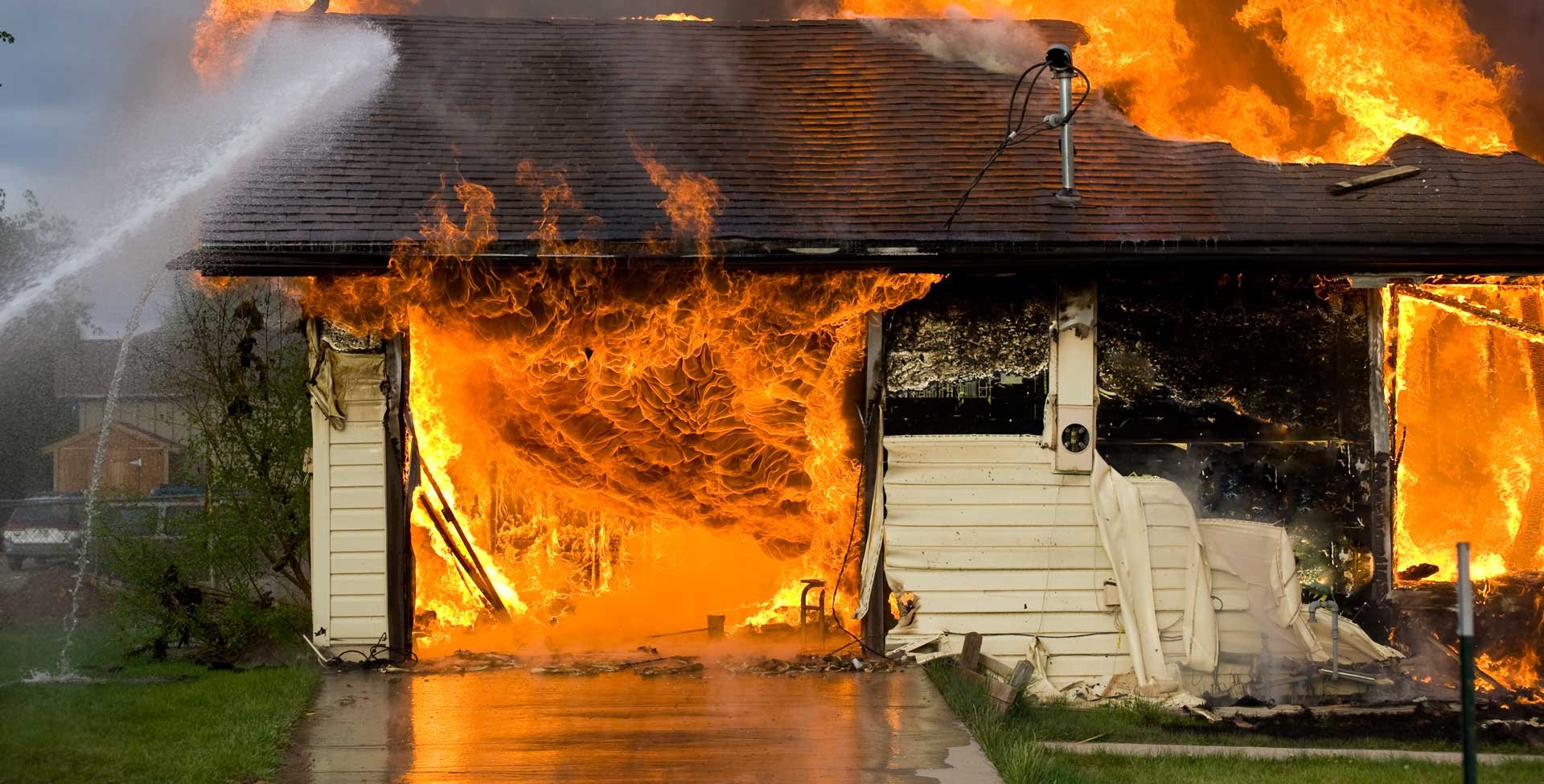
A fire can destroy a home or business in just a few minutes. Even a small fire can leave behind serious problems that affect your property, health, and safety. Flames can burn walls, furniture, and personal belongings. Smoke can spread through every room and leave strong odors behind. Soot can cover surfaces and damage electronics, while water used to put out the fire can create even more problems.

After a fire, many people feel stressed and confused. They may not know where to start or how to recover their property. This is where fire damage restoration becomes important. Fire damage restoration helps clean, repair, and restore a property after a fire. Professional restoration teams remove dangerous materials, repair damaged areas, and make the property safe again.

What Is Fire Damage Restoration?

Fire damage restoration is the process of cleaning and repairing a property after fire, smoke, soot, and water damage. The main goal is to restore the property to a safe and livable condition.

Professional fire restoration companies use special equipment and cleaning methods to remove damage caused by fire. They inspect the property, clean affected areas, remove smoke odors, dry water-damaged surfaces, and repair damaged structures.

Fire restoration does not only focus on visible damage. It also addresses hidden problems that can become worse over time. For example, smoke can move through vents and affect rooms far from the fire. Water can soak into walls and floors, leading to mold growth if left untreated.

Quick action is important because fire damage can continue to spread even after the fire is out.

Common Types of Fire Damage

Fire can damage a property in several ways. Understanding these types of damage can help explain why professional restoration is necessary.

Fire and Heat Damage

Flames and high heat can destroy many parts of a building. Walls, ceilings, flooring, roofing materials, and furniture can burn or melt during a fire. Heat can also weaken structural parts of the property, making the building unsafe.

In some cases, heat can crack windows, damage plumbing systems, and affect electrical wiring.

Smoke Damage

Smoke spreads very quickly during a fire. It can travel through hallways, air ducts, and small openings. Even rooms untouched by flames can suffer smoke damage.

Smoke leaves dark stains on walls, ceilings, and furniture. It also creates strong odors that are difficult to remove without professional equipment.

Soot Damage

Soot is a black powdery material created when materials burn. It can settle on almost every surface inside the property. Soot can damage furniture, electronics, carpets, clothing, and appliances.

Soot is also dangerous because it contains harmful chemicals and tiny particles that can affect breathing and overall health.

Water Damage

Firefighters often use large amounts of water to stop fires. While this helps save the property, it can also create water damage. Wet carpets, soaked drywall, and standing water can lead to mold growth and structural problems if not removed quickly.

Water damage can become serious within just one or two days after a fire.

The Fire Damage Restoration Process

Fire damage restoration involves several important steps. Professional restoration companies follow a detailed process to clean and repair the property safely.

Emergency Contact and Inspection

The restoration process starts with an emergency response. Restoration experts inspect the property and assess the level of damage caused by fire, smoke, soot, and water.

During the inspection, professionals identify dangerous areas and create a restoration plan. They also determine which items can be saved and which must be replaced.

Securing the Property

Fires often damage roofs, windows, and doors. A damaged property can become unsafe and exposed to weather, animals, or theft.

Restoration teams secure the property by boarding up broken windows and placing tarps over damaged roofs. This step helps prevent additional damage.

Water Removal and Drying

If firefighters used water to put out the fire, restoration professionals remove standing water immediately. They use pumps, vacuums, fans, and dehumidifiers to dry walls, floors, and furniture.

Fast drying helps prevent mold growth and protects the structure of the building.

Smoke and Soot Removal

Smoke and soot can spread throughout the entire property. Restoration experts use special cleaning products and equipment to remove soot from walls, ceilings, floors, and personal belongings.

This step also improves indoor air quality and helps prevent permanent staining.

Odor Removal

Smoke odors can remain trapped inside carpets, walls, furniture, and air ducts. Simple cleaning methods usually cannot remove these smells completely.

Professional restoration companies use advanced deodorizing methods such as air scrubbers, thermal fogging, and ozone treatments to eliminate smoke odors.

Cleaning and Sanitizing

Restoration teams clean and sanitize affected items and surfaces. This includes furniture, clothing, electronics, and personal belongings.

Cleaning helps remove bacteria, toxins, and harmful particles left behind after the fire.

Repairs and Reconstruction

The final step involves repairing or rebuilding damaged parts of the property. Restoration professionals may replace drywall, flooring, roofing, cabinets, insulation, or other structural materials.

Some projects require small repairs, while others involve full reconstruction of damaged areas.

Why Is Fire Damage Restoration Important?

Fire damage restoration is important for many reasons. Delaying cleanup and repairs can create serious health, safety, and financial problems.

Protects Your Health

Smoke and soot contain dangerous chemicals that can harm your health. Breathing in these particles may cause coughing, breathing problems, headaches, eye irritation, and skin irritation.

Children, older adults, and people with asthma or respiratory conditions may face greater health risks.

Water damage can also lead to mold growth, which creates additional health concerns. Professional restoration removes harmful contaminants and improves indoor air quality.

Prevents Further Damage

Damage does not stop after the fire ends. Smoke residue continues to stain surfaces and corrode materials. Water continues soaking into walls, flooring, and furniture.

Without quick restoration, small problems can turn into major damage. Fast cleanup helps prevent permanent stains, mold growth, and structural weakening.

Saves More of Your Property

Professional restoration companies can often save furniture, electronics, clothing, and personal belongings that might otherwise seem ruined.

Special cleaning techniques help restore valuable items and reduce replacement costs.

Restores Property Value

A fire can lower the value of a property. Smoke odors, stains, and structural damage can make a home or business unsafe and unattractive.

Fire damage restoration helps return the property to a clean, safe, and functional condition. Proper repairs help protect the long-term value of the property.

Reduces Stress

Recovering from a fire can feel overwhelming. Property owners may struggle to handle cleanup, repairs, and insurance paperwork on their own.

Professional restoration companies manage much of the process and help property owners recover more quickly. This support can reduce stress during a difficult time.

Helps With Insurance Claims

Many fire restoration companies work directly with insurance providers. They document the damage, provide repair estimates, and help support the claims process.

This can make it easier for homeowners and business owners to receive fair compensation for repairs and losses.

Dangers of Delaying Fire Damage Restoration

Waiting too long to begin restoration can create serious problems. Here are some risks of delaying cleanup and repairs.

Permanent Smoke Stains

Smoke and soot can permanently stain walls, ceilings, carpets, and fabrics if not cleaned quickly.

Corrosion and Damage to Electronics

Soot contains acidic materials that can damage metal surfaces and electronics over time.

Mold Growth

Water damage can lead to mold growth within 24 to 48 hours. Mold spreads quickly and may damage walls, flooring, and furniture.

Structural Problems

Heat and water can weaken wooden beams, drywall, and flooring materials. Delaying repairs may increase the risk of structural failure.

Strong Smoke Odors

Smoke smells become harder to remove the longer they remain inside the property.

Signs You Need Professional Fire Damage Restoration

Some people may think they can handle fire cleanup on their own, but professional help is often necessary. Here are signs that you should contact a fire restoration company:

  • Strong smoke odors remain in the building
  • Soot covers walls, ceilings, or furniture
  • Water damage is visible
  • Mold begins growing after the fire
  • Electrical systems appear damaged
  • Structural parts of the property look weakened
  • Large areas are affected by smoke or fire

Professional restoration experts have the training and equipment needed to handle these problems safely.

How Professionals Restore Fire-Damaged Properties Safely

Fire restoration professionals follow safety procedures during the cleanup process. They wear protective gear such as gloves, masks, and respirators to avoid exposure to dangerous materials.

They also use industrial equipment to remove smoke particles, dry wet areas, and improve air quality.

Professional restoration teams know how to identify hidden damage that may not be visible at first. This helps ensure the property becomes fully safe again.

Tips to Prevent Fire Damage

While accidents can still happen, these safety tips can reduce the risk of fire damage:

Install Smoke Detectors

Place smoke alarms in bedrooms, hallways, kitchens, and living areas. Test them regularly and replace batteries when needed.

Keep Fire Extinguishers Nearby

Store fire extinguishers in kitchens, garages, and other important areas.

Avoid Overloading Electrical Outlets

Too many devices connected to one outlet can increase the risk of electrical fires.

Never Leave Cooking Unattended

Cooking fires are one of the most common causes of house fires. Stay in the kitchen while cooking.

Inspect Heating Systems

Regular maintenance helps keep fireplaces, furnaces, and heating systems safe.

Store Flammable Items Safely

Keep gasoline, cleaning products, and other flammable materials away from heat sources.

Create a Fire Escape Plan

Make sure everyone in the household knows how to exit the property safely during a fire.

Choosing the Right Fire Damage Restoration Company

Finding the right restoration company is important for successful recovery. Here are a few things to look for when choosing a company.

Experience and Certification

Choose a company with experience in fire damage restoration and trained technicians.

24/7 Emergency Service

Fires can happen at any time. Emergency services help begin cleanup quickly.

Modern Equipment

Advanced equipment helps improve cleaning, drying, and odor removal.

Insurance Support

A good restoration company can help you communicate with your insurance provider.

Positive Customer Reviews

Customer reviews and testimonials can help you find a trusted company.

Final Thoughts

Fire damage can affect every part of a property, from walls and flooring to furniture and personal belongings. Smoke, soot, and water damage can continue causing problems long after the flames are gone.

Fire damage restoration is important because it helps protect your health, prevent further damage, and restore your property safely. Professional restoration teams use specialized equipment and proven methods to clean, repair, and rebuild fire-damaged homes and businesses.

L’Essor et les Avantages du Casino en Ligne Moderne

Le paysage du divertissement numérique a évolué de manière spectaculaire, offrant désormais des options de divertissement sophistiquées accessibles partout et à tout moment. Cette transformation a permis l’émergence de plateformes haut de gamme où la technologie rencontre le plaisir du jeu traditionnel. Pour les amateurs de sensations fortes, trouver un casino en ligne fiable et performant est devenu la priorité afin de profiter d’une ludothèque variée allant des machines à sous immersives aux tables de blackjack en direct. Cette accessibilité instantanée, combinée à des interfaces de plus en plus ergonomiques, garantit une expérience utilisateur fluide qui rivalise avec les plus grands établissements physiques mondiaux.

Une variété de jeux sans précédent

L’un des atouts majeurs des plateformes virtuelles est la diversité quasi infinie des titres proposés. Contrairement aux espaces physiques, les serveurs peuvent héberger des milliers de jeux simultanément, permettant aux joueurs de passer d’un univers à l’autre en un instant.

Les machines à sous thématiques

Les développeurs redoublent de créativité pour proposer des machines à sous aux graphismes époustouflants. Que vous soyez passionné par l’histoire ancienne, les films d’action ou les aventures fantastiques, il existe un titre pour chaque préférence. Ces jeux intègrent désormais des fonctionnalités bonus complexes, comme des tours gratuits, des multiplicateurs de gains et des mini-jeux interactifs qui enrichissent considérablement chaque session.

L’authenticité des jeux de table

Pour ceux qui préfèrent la stratégie, les versions numériques de la roulette, du baccara et du poker offrent une précision mathématique et une équité totale. Les variantes sont nombreuses, permettant de tester des règles européennes, américaines ou même des formats rapides pour les joueurs pressés. L’esthétique de ces jeux est soignée pour reproduire l’atmosphère feutrée des salons de jeu les plus prestigieux.

Des technologies au service de l’immersion

Le secteur investit massivement dans l’innovation pour rendre l’expérience toujours plus réaliste et captivante. L’objectif est de gommer la frontière entre le monde virtuel et la réalité.

Le streaming en direct avec croupiers réels

La technologie du “Live Dealer” est sans doute la plus grande avancée de ces dernières années. Grâce à des caméras haute définition, les joueurs peuvent interagir avec de véritables croupiers professionnels en temps réel. Cette interaction humaine apporte une dimension sociale et une transparence qui renforcent le plaisir de jouer, tout en restant confortablement installé chez soi.

Optimisation pour les appareils mobiles

Aujourd’hui, l’intégralité des catalogues de jeux est optimisée pour une utilisation sur smartphone et tablette. La fluidité est identique à celle d’un ordinateur, permettant une liberté totale de mouvement. Que ce soit lors d’un trajet ou pendant une pause, le divertissement de haute qualité reste à portée de main, avec des temps de chargement réduits au minimum.

Sécurité et transparence des transactions

La protection des données et la rapidité des paiements sont des piliers fondamentaux de l’industrie du jeu sur internet. Les opérateurs utilisent des protocoles de sécurité de niveau militaire pour assurer la confidentialité des échanges.

Systèmes de cryptage avancés

Toutes les informations personnelles et financières sont protégées par un cryptage SSL de dernière génération. Cela garantit que chaque dépôt et chaque retrait est effectué dans un environnement totalement sécurisé. Les plateformes collaborent avec des institutions financières reconnues pour offrir une multitude de méthodes de paiement, des cartes bancaires classiques aux portefeuilles électroniques les plus modernes.

Équité et générateurs de nombres aléatoires

Pour garantir un hasard total, chaque jeu est régulé par un générateur de nombres aléatoires (RNG) certifié. Ces systèmes sont régulièrement audités par des laboratoires indépendants qui vérifient que les taux de retour aux joueurs sont conformes et que l’intégrité du jeu est préservée en permanence.

Les programmes de récompenses et de fidélité

L’avantage concurrentiel des plateformes numériques réside également dans leur capacité à récompenser la fidélité de leurs membres de manière très généreuse.

Offres de bienvenue et bonus de dépôt

Dès l’inscription, les nouveaux utilisateurs bénéficient souvent d’avantages significatifs qui leur permettent d’explorer la plateforme avec un capital augmenté. Ces offres sont conçues pour donner une impulsion positive au démarrage et permettre de découvrir des jeux sans engagement massif immédiat.

Clubs VIP et avantages exclusifs

Les joueurs réguliers intègrent souvent des programmes de fidélité structurés. Ces clubs permettent d’accumuler des points échangeables contre des cadeaux, des bonus personnalisés ou même des invitations à des événements. Les membres les plus actifs disposent parfois de conseillers dédiés, assurant une gestion sur mesure de leur compte et de leurs besoins spécifiques.

Conclusion sur l’avenir du divertissement virtuel

Le secteur du divertissement sur internet continue de croître grâce à sa capacité d’adaptation et son sens de l’innovation. En plaçant l’expérience utilisateur, la sécurité et la diversité au centre de leurs préoccupations, les plateformes modernes ont réussi à créer un écosystème de loisir complet et valorisant. L’avenir s’annonce encore plus immersif avec le développement de nouvelles interfaces, promettant des moments de détente toujours plus riches en émotions.

Why Missed Calls Are Draining Your Revenue and How AI Fixes It

Let me ask you something. When was the last time you actually counted how many calls your dealership missed in a single week? Most owners never do. And that is exactly the problem. There is a specific kind of revenue loss that does not show up on any report. It does not appear in your monthly sales summary or your service department numbers. It is the deal that never started — the customer who called, got no answer, and went somewhere else. You never know their name. You never know what they wanted. They just disappear. And they do this every single day.

Your Phone Is a Leaking Pipe Nobody Is Fixing

A busy Saturday at a dealership looks productive from the inside. The floor is moving. Salespeople are talking. The service lane is stacked. But while all that is happening, the phone is ringing. And ringing. And eventually going to voicemail. The person on the other end — maybe someone who spent forty minutes researching your inventory the night before, who narrowed it down to one specific vehicle, who is ready to come in — hangs up. Does not leave a message. Opens Google. Calls the next dealership on the list. You lost that deal before it ever existed on your board. Industry data has consistently shown that dealerships miss somewhere between a fifth and a third of their inbound calls on busy days. That is not a rounding error. That is a structural problem. And for most stores, it has been treated as something unavoidable — just the nature of the business. It is not unavoidable. It just requires a different approach than hiring another person at the front desk.

The Staffing Answer Has Real Limits

Adding people feels like the natural fix. More staff means more coverage. Except it does not quite work that way. You cannot hire someone to answer phones at midnight on a Tuesday. You cannot staff for the exact spike in call volume that happens on the first warm weekend of spring when suddenly everyone wants to test drive a truck. Training takes time, turnover is real, and even your best receptionist can only handle one caller at a time. There is also the voicemail problem. Younger buyers — the demographic that now makes up a growing share of vehicle purchases — rarely leave voicemails. If they do not get a live response, they are gone. The callback you leave at 9 AM the next morning for someone who called at 8 PM is almost always too late. Third-party call centers are another common patch. But they come with their own issues. Agents reading generic scripts do  not know your inventory. They cannot tell a caller whether that specific certified pre-owned pickup with the tow package is still available. They cannot quote your current service specials. The caller feels it immediately, and the trust evaporates.

Where AI Actually Fits Into This

Here is where things get practical. An AI Front Desk solution built for dealerships does not replace your team. What it does is cover the gaps that your team structurally cannot fill — after hours, during high-volume rushes, when someone calls about something routine at the exact moment every staff member is occupied. It answers the phone. It knows your inventory. It can schedule a service appointment, answer questions about a specific vehicle, capture a lead with all the relevant details, and drop everything directly into your CRM — without any human involvement required in that moment. A customer calls at 10:30 PM about a vehicle they saw listed online. The system confirms the car is available, notes their preferred time to come in, and books the appointment. Your sales manager walks in the next morning to a confirmed showing on the calendar. That customer is now further along in your pipeline than they would have been if they had left a voicemail and waited to hear back. That is not a futuristic scenario. That is how this works right now.

What the BDC Side of This Looks Like

Business development has always been one of the more complex parts of running a dealership well. Following up on leads consistently, reaching out to service customers whose warranties are expiring, working conquest lists — all of it requires a level of volume and persistence that human BDC teams struggle to maintain without burning out or cutting corners. The AI BDC Agent for Car Dealerships function handles that outbound side at a scale and consistency that no human team can match. Every lead gets followed up. Every appointment gets confirmed. Every no-show gets a re-engagement message. None of it depends on whether your BDC rep is having a slow morning or just got back from lunch. And because the system logs everything, your managers can actually see what is happening — which leads responded, what was said, where things dropped off. That kind of visibility changes how you manage the pipeline.

What This Means in Actual Numbers

Take a store doing 200 inbound calls in a month. If 25 percent of those go unanswered, that is 50 conversations that never happened. Say a third of those were genuinely interested buyers. At an average front-end gross of around $2,000 to $2,500, you are looking at somewhere between $33,000 and $40,000 in potential gross that dissolved because nobody picked up. That estimate is conservative. It does not count the service revenue, the F&I opportunity, or the repeat business that comes from a buyer who had a good first experience. AI coverage does not cost anywhere close to what those missed calls are costing you. The math tends to close quickly once you actually run it.

A Few Things Worth Knowing Before You Implement

Not every AI phone solution is built the same way. A lot of them are generic — designed for insurance agencies or dental offices — and they show it immediately when an automotive caller asks something specific. What to look for: the system should know what a money factor is. It should understand trade-in conversations. It should be able to pull inventory details and give a real answer rather than a deflection. It should handle frustrated callers without escalating the tension. And it should hand off to a human smoothly when the conversation genuinely requires it. Setup has gotten faster. Most automotive-specific platforms integrate with the major DMS and CRM systems and can be configured to match your store’s voice and workflows within a few days. You are not looking at a six-month implementation project.

The Broader Point

Dealerships have gotten very good at optimizing the things they can see. Lot management. F&I penetration. Service throughput. Those numbers get tracked, reviewed, and worked on every month. The calls that never got answered are invisible. Nobody tracks the customer who called twice, heard voicemail both times, and bought down the street. That loss never registers anywhere. AI changes that equation not by being smarter than your team, but by being available when your team is not. It catches what falls through. It responds when responding is impossible for a human to do. Over time, those caught opportunities compound into something that shows up clearly in your numbers. The stores that are moving on this now will have a real advantage in twelve months. The ones waiting for it to become obvious are already behind.

The Essentials Hoodie Era: Why Everyone’s Wearing It Right Now

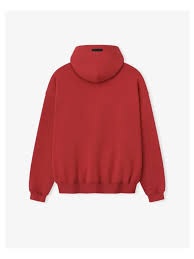
There’s a reason the Essentials Hoodie keeps popping up on your TikTok feed, favourite celeb paparazzi shots, and every stylish coffee queue from London to Los Angeles. It’s not just a hoodie anymore — it’s the hoodie. The unofficial uniform of Gen Z, fashion minimalists, off-duty influencers, and anyone who wants to look effortlessly cool without trying too hard.

Born from Jerry Lorenzo’s Fear of God Essentials line, the Essentials Hoodie has become one of the defining streetwear pieces of the decade. Its oversized silhouette, muted palette, and clean branding have made it the perfect blend of luxury and laid-back dressing. Fashion insiders describe it as the ultimate “quiet flex” — recognisable without screaming for attention.

So how did one hoodie become such a cultural obsession? Let’s get into it.

The Rise of the “Quiet Luxury” Hoodie

Fashion has officially entered its understated era. Loud logos are fading, while elevated basics are taking centre stage. The Essentials Hoodie fits perfectly into this shift.

Instead of flashy graphics, the hoodie leans into earthy tones, premium heavyweight fabrics, and relaxed tailoring. Think oat, taupe, charcoal, cream, and muted black. It’s luxury streetwear without the chaos.

The oversized fit is also a huge part of its appeal. It gives that intentionally relaxed silhouette Gen Z loves — the kind that looks equally good with cargo trousers, cycling shorts, vintage denim, or even layered under a structured coat.

The vibe? “I just threw this on,” while secretly serving a full Pinterest mood board.

Celebrity Influence: The Hoodie That Hollywood Can’t Quit

No fashion item truly explodes without celebrity backing, and the Essentials Hoodie has had plenty of famous co-signs.

Stars like Justin Bieber, Hailey Bieber, Kanye West, and LeBron James have all been spotted wearing Essentials pieces. Their off-duty airport fits and casual paparazzi looks helped transform the hoodie into a streetwear staple.

And honestly? Celebrities love it for the same reason everyone else does: it works.

Throw it on with sunglasses and trainers, and suddenly you look like you’re avoiding photographers outside Soho House.

TikTok creators and Instagram influencers pushed it even further. The hashtag-heavy “clean fit” aesthetic practically worships Essentials. Neutral hoodies, wide-leg joggers, New Balance trainers, slick headphones — you know the formula.

Why Gen Z Is Obsessed

Gen Z doesn’t shop the same way previous generations did. They’re less interested in obvious luxury and more drawn to pieces that feel versatile, authentic, and wearable every single day.

That’s exactly where the Essentials Hoodie wins.

It’s Gender-Neutral

Fashion is increasingly fluid, and the Essentials silhouette reflects that shift beautifully. The oversized cut works across all genders, and the muted colours avoid traditionally “masculine” or “feminine” styling.

The hoodie feels inclusive rather than prescriptive — which is a major reason younger shoppers gravitate towards it.

It Fits the “Capsule Wardrobe” Trend

Gen Z loves buying fewer pieces that work harder. One good hoodie that can be styled ten ways? Perfect.

The Essentials Hoodie slips effortlessly into minimalist wardrobes and “uniform dressing” aesthetics. It’s the fashion equivalent of your favourite playlist on repeat.

It Feels Expensive Without Looking Try-Hard

That’s the magic trick. Essentials gives luxury-adjacent energy without entering full designer territory. It’s aspirational, but still approachable.

The Different Ways Everyone’s Wearing It

One of the biggest reasons the Essentials Hoodie dominates fashion culture is its versatility. Seriously — there are about fifty ways to wear it without repeating the same vibe.

The Clean Streetwear Look

This is the classic.

Pair a neutral Essentials Hoodie with oversized cargos, white socks, and chunky trainers. Add a crossbody bag and suddenly you look like you walked straight out of a Copenhagen Fashion Week street-style gallery.

The Off-Duty Model Fit

Oversized hoodie. Tiny shorts. Slicked-back bun. Gold hoops. Massive tote bag.

It’s giving “coffee run in West London”.

The Layered Winter Aesthetic

Fashion people love layering an Essentials Hoodie under wool coats, puffers, or leather jackets. The contrast between structured outerwear and relaxed streetwear feels incredibly modern.

The Gym-to-Brunch Uniform

Athleisure is still thriving, and the Essentials Hoodie sits right at the centre of it. Throw it over leggings or performance shorts, and you’ve mastered that effortless “I probably do Pilates” energy.

The Hype Culture Factor

Part of the hoodie’s appeal comes from scarcity. Essentials drops often sell out quickly, creating the same hype-loop that fuels sneaker culture.

Fans regularly hunt for rare colourways on resale platforms, and discussions around authenticity have become surprisingly intense online. Reddit threads are filled with users debating tags, fits, logos, and seasonal releases.

That exclusivity makes the hoodie feel more special — even though it’s technically a “basic”.

And in fashion, perception is everything.

Styling Hacks Fashion People Swear By

Want your Essentials Hoodie outfit to look less “rolled out of bed” and more editorial street style? Here are the hacks fashion insiders use constantly.

Size Up Strategically

Most people intentionally go slightly oversized. The relaxed proportions are part of the look.

Stick to Tonal Dressing

Wearing similar shades together instantly makes an outfit feel expensive. Think cream hoodie + beige cargos + stone trainers.

Mix Streetwear with Tailoring

The hoodie works brilliantly under tailored coats or with smart trousers. That contrast creates a balanced, fashion-forward silhouette.

Accessories Matter

A fitted cap, silver jewellery, retro trainers, or a structured tote can completely elevate the outfit.

Don’t Overdo Logos

The whole point of Essentials is restraint. Let the fit and styling speak louder than brandin

Why the Essentials Hoodie Isn’t Going Anywhere

Some trends burn bright and disappear within months. The Essentials Hoodie feels different.

It taps into several long-term shifts happening in fashion right now:

  • Minimalism over maximalism
  • Comfort-first dressing
  • Gender-neutral fashion
  • Elevated basics
  • Quiet luxury
  • Streetwear blending with tailoring

Even luxury fashion houses are leaning towards relaxed silhouettes and understated styling. Essentials simply got there earlier — and made it wearable for everyday people.

The hoodie has become more than just merch or hypewear. It’s now part of a broader cultural aesthetic built around comfort, confidence, and understated cool.

Final Thoughts: The Hoodie That Defined a Generation

The Essentials Hoodie isn’t revolutionary because it’s complicated. It’s revolutionary because it understands exactly what modern fashion lovers want.

Comfort without sloppiness. Luxury without arrogance. Trendy without trying too hard.

It’s the rare fashion piece that works across aesthetics, age groups, and genders while still feeling current. Whether you style it with cargos, biker shorts, tailored trousers, or vintage denim, it somehow adapts to your personal vibe.

And honestly? In an era where fashion trends move at lightning speed, that kind of versatility is the real flex.

The Reign of Essentials: Why This Hoodie Is Still the King of Cool in 2026

Let’s be honest: in the chaotic world of fashion, where trends flicker out faster than you can say “micro-trend,” finding a brand that sticks is rare. Yet, here we are in 2026, and Essentials hasn’t just survived; it has evolved. What started as Fear of God’s diffusion line has become the unofficial uniform for anyone who values the holy trinity of style: comfort, quality, and that elusive ‘effortless cool’ factor .

Whether you’re spotting it on your favourite celebrity dashing through Heathrow, layered under a blazer in Milan, or simply living in it during a WFH day, Essentials has cracked the code. It’s no longer just streetwear; it’s the architecture of a modern wardrobe. Let’s dive into why this minimalist staple is still dominating our feeds, our high streets, and our hearts in 2026.

The Celebrity Effect: The Ultimate Seal of Approval

You can’t talk about the rise of Essentials without acknowledging the A-list army that swears by it. This isn’t about red-carpet glamour; it’s about off-duty authenticity. Back in the day, Kanye West paved the way for this minimalist wave, but today, the torch has been passed to a new generation .

Think of Hailey Bieber, the queen of the ‘clean girl’ aesthetic, routinely stepping out in an oversized Essentials  paired with biker shorts and a slicked-back bun. It’s the uniform of the model off-duty. Across the pond, Gen Z icons like Kendall Jenner and Olivia Rodrigo have been spotted using the brand’s neutral tones as a blank canvas for their street style looks .

But it’s not just the Western set. In Asia, the brand’s traction is massive, with stars like Kris Wu and 欧阳娜娜 (Nana Ou-Yang) cementing its status as the go-to for travel fits. When celebrities look this relatable—like they just threw it on to grab a coffee—it makes the brand feel attainable and real . In 2026, the flex isn’t about wearing a logo; it’s about looking like you didn’t try at all, and Essentials is the master key to that look.

A Global Wardrobe: How the World Wears It

One of the most fascinating aspects of the Essentials phenomenon is its chameleon-like ability to adapt to different cultures and climates. It’s a global language, spoken with different accents.

In the UK and Europe, we’re all about battling the elements with style. You’ll rarely see a hoodie worn alone. Instead, it’s a crucial layering piece. The quintessential London look right now is a cream 1977 hoodie peeking out from under a structured wool overcoat or a classic trench, finished with straight-leg denim and chunky trainers . It’s the perfect balance of ‘I’m cosy’ and ‘I have my life together’.

Head over to Asia, particularly places like Seoul and Tokyo, and the styling shifts to a cleaner, more polished vibe. Here, the oversized silhouette is kept sharp. You’ll see matching tonal tracksuits (think taupe or sage) paired with crisp white leather trainers and a sleek cap. It’s less about grunge and more about refined urbanity . Meanwhile, in the US, particularly LA, the vibe remains relaxed and sporty—matching sweatsuits, baseball caps, and slides reign supreme .

The Gen Z Obsession: More Than Just a Hoodie

Why has Gen Z latched onto this brand with such ferocity? It’s simple: Essentials aligns perfectly with their values. This generation is rejecting the loud logos of the past in favour of authenticity, sustainability, and gender fluidity .

Essentials clothing is inherently gender-neutral. There is no ‘men’s’ or ‘women’s’ section dictating how to wear it. The oversized cuts look just as good on everyone, blurring the lines and allowing for self-expression without the constraints of traditional fashion binaries . In a world that is increasingly rejecting labels, Essentials lets you just be.

Plus, there’s the investment factor. Gen Z is savvy; they’d rather save up for one heavyweight, 100% cotton hoodie that will last for years than buy five fast-fashion pieces that pill after one wash. The focus on heavyweight fleece, reinforced stitching, and structured silhouettes means these pieces hold their shape and their value .

Style Tips & Fashion Hacks for 2026

So, you’ve got the hoodie. Now what? The way we style Essentials has matured. The “everything baggy” look of 2020 has evolved into something more intentional. Here are the top trends and hacks for 2026 to keep your look fresh.

1. The Hoodie + Blazer Combo

This is the biggest move of the year. Take your classic 1977 hoodie (the one with the subtle chest print) and layer it under an unstructured blazer. Make sure the hood sits outside the blazer collar. It sounds risky, but it’s the ultimate high-low mix—smart on the outside, relaxed on the inside. It’s perfect for casual Fridays or a date night that requires walking between a restaurant and a bar .

2. Tonal Dressing

Forget high-contrast outfits. The most luxurious look in 2026 is tonal. Pair an Oatmeal hoodie with cream-coloured cargos and tan accessories. Or go full ‘espresso’ with browns and blacks. This monochromatic approach looks expensive, elongates the silhouette, and takes the guesswork out of matching .

3. Proportions: Balance is Key

The Essentials fit is naturally oversized. To avoid looking like you’re drowning in fabric, balance the volume on top with something fitted or structured on the bottom.

  • The Rule: Wide on top, slim on the bottom.
  • The Hack: If you wear an oversized hoodie, pair it with straight-leg or slim-straight denim, tailored trousers, or biker shorts. Avoid pairing it with overly baggy cargo pants unless you’re going for a specific avant-garde look, as it can look sloppy rather than intentional .

4. The Texture Hack

With colours muted (think sage green, butter yellow, charcoal, and cream), texture is doing the heavy lifting in 2026. Look for the heavyweight jersey and brushed fleece options. When layering, mix textures—a smooth, matte hoodie under a wool coat or a puffer jacket adds depth without adding colour .

5. The ‘Cuff’ Trick

A tiny detail that makes a huge difference: push the sleeves of your hoodie up by about two inches. The oversized sleeves naturally bunch up, creating a nice texture around your wrists. It also shows off your watch, bracelet, or simply makes the fit look more purposeful .

The Colours of 2026: Moving Beyond Grey

While black and grey will always be the classics, 2026 is seeing a shift towards warmer, more distinctive neutrals. If you’re looking to update your collection, keep an eye out for these shades:

  • Butter Yellow/Cream: This is the unexpected hero of the year. It pairs beautifully with olive greens and navy blues and adds a touch of warmth to any fit .
  • Sage Green: A muted green that sits perfectly between neutral and colour. It’s subtle enough to wear daily but interesting enough to stand out .
  • Oatmeal & Taupe: These warm greys and browns are replacing the stark cool greys of previous years, aligning with the trend towards cosy, elevated basics .

The Verdict: Worth the Hype?

In a word? Absolutely. Essentials clothing isn’t just a brand; it’s a lifestyle upgrade. It represents a shift in fashion where comfort is no longer the enemy of style. By investing in these pieces, you’re not buying into a fleeting trend; you’re building a capsule wardrobe that works across seasons, genders, and cultures .

Whether you’re layering it up for a London winter, keeping it tonal for a trip to Tokyo, or just living in it on the weekends, one thing is certain: in 2026, less is definitely more, and Essentials is the ultimate way to wear it.

So, go on. Zip up that hoodie, grab your iced coffee, and step out. You’ve got the uniform of the year sorted.

Crimelife Clothing Is Taking Over Mexico’s Street Style Scene

If you’ve been scrolling through TikTok, strolling through Roma Norte, or hanging out in Monterrey’s trendiest districts, you’ve probably noticed one thing: Crimelife clothing is everywhere. What started as an underground aesthetic is now a full-blown movement across Mexico’s urban fashion landscape. Bold, unapologetic, and dripping in attitude, Crimelife (sometimes stylized as Crime life) isn’t just a style—it’s a statement.

So what’s fueling the rise of this edgy, street-coded fashion wave? Let’s break it down city by city, vibe by vibe.

What Is Crimelife Clothing, Really?

At its core, Crimelife clothing blends streetwear with a rebellious, slightly gritty edge. Think oversized silhouettes, dark palettes, statement graphics, and a raw, almost cinematic energy. It pulls inspiration from hip-hop, skate culture, and underground fashion scenes—but with a distinctly modern Gen Z twist.

It’s not about looking polished. It’s about looking real.

Mexico City: Where Crimelife Meets High-Fashion Edge

Street Style in CDMX

In Mexico City, especially in neighborhoods like Condesa and Roma, Crimelife is being styled with a high-fashion twist. You’ll see:

  • Oversized Crime life hoodies paired with tailored trousers
  • Chunky sneakers mixed with minimalist accessories
  • Layered looks that blur the line between streetwear and editorial

Why It Works Here

CDMX has always been a fashion melting pot. The city’s creatives are known for mixing luxury with street—and  Crimelife  fits perfectly into that hybrid aesthetic.

Style Tip

Pair a bold Crimelife graphic tee with neutral tones to let the piece stand out without overwhelming your look.

Monterrey: Clean, Sharp, and Elevated Crimelife

Northern Precision Meets Streetwear

Monterrey brings a slightly more structured approach to Crimelife clothing. The vibe here is:

  • Cleaner silhouettes
  • Monochrome fits (black, grey, white)
  • Subtle flex rather than loud statements

The Monterrey Twist

Unlike CDMX’s experimental layering, Monterrey keeps it sleek. Think Crime life joggers with crisp white sneakers and a fitted cap—effortless but intentional.

Fashion Hack

Stick to a single color palette and play with textures (cotton, leather, denim) to elevate your Crimelife look.

Guadalajara: Artistic and Experimental Energy

Where Crimelife Gets Creative

Guadalajara’s fashion crowd is known for pushing boundaries, and Crimelife clothing here feels almost like wearable art.

Expect:

  • DIY modifications (cut, stitched, painted pieces)
  • Bold color pops mixed with dark tones
  • Vintage layering with modern Crime life staples

Cultural Influence

With a strong art and music scene, GDL adds personality to every outfit. No two looks feel the same.

Style Tip

Don’t be afraid to customize your Crimelife pieces—patches, pins, or even hand-painted designs can make your outfit uniquely yours.

Tijuana: Border Influence, Global Edge

A Fusion of Cultures

Tijuana’s proximity to the U.S. gives its Crimelife clothing scene a cross-border flavor. Here you’ll see:

  • Heavy influence from West Coast streetwear
  • Baggy fits and oversized layering
  • Graphic-heavy Crime life pieces styled with bold confidence

Why It Stands Out

Tijuana doesn’t follow trends—it blends them. The result? A raw, authentic take on Crimelife that feels global yet local.

Fashion Hack

Layer oversized pieces strategically—longline tees under hoodies create depth without looking bulky.

Celebrity Influence: Who’s Driving the Trend?

Crimelife’s rise in Mexico isn’t happening in a vacuum. Influencers, musicians, and street-style icons are all playing a role.

What We’re Seeing

  • Latin trap and reggaeton artists rocking Crime life fits in music videos
  • TikTok creators styling Crimelife clothing in “Get Ready With Me” clips
  • Street photographers capturing everyday people turning sidewalks into runways

The key takeaway? Crimelife thrives on visibility and attitude. The more it’s seen, the more it evolves.

Why Gen Z Is Obsessed with Crimelife

It’s Not Just Fashion—It’s Identity

Gen Z in Mexico is gravitating toward Crimelife clothing for a few key reasons:

  • Authenticity: It feels raw and unfiltered
  • Flexibility: You can dress it up or down
  • Rebellion: It pushes back against overly curated aesthetics

Social Media Factor

Platforms like TikTok and Instagram have amplified the trend. Quick outfit transitions, street-style edits, and “fit checks” have turned Crimelife into a viral aesthetic.

Gender-Neutral Appeal: Style Without Labels

One of the biggest strengths of Crimelife clothing is its inclusivity.

Breaking Fashion Rules

  • Oversized fits work for all body types
  • Neutral color palettes transcend traditional gender norms
  • Styling is based on vibe, not category

What This Means

In Mexico’s evolving fashion scene, Crime life is helping redefine how people express themselves—no labels required.

How to Style Crimelife Like a Pro

Everyday Essentials

  • Oversized hoodie or sweatshirt
  • Relaxed-fit pants or cargo trousers
  • Statement sneakers

Level-Up Moves

  • Add layered chains or minimal jewelry
  • Throw on a structured jacket for contrast
  • Mix textures (denim + cotton + leather)

Quick Fashion Hacks

  • Roll sleeves slightly for a more fitted look
  • Tuck in just the front of your shirt for shape
  • Use accessories sparingly—let the outfit speak

Cultural Impact: More Than Just a Trend

Crimelife isn’t just about clothes—it reflects a broader cultural shift.

What It Represents

  • Urban identity
  • Youth rebellion
  • Creative freedom

Across Mexico, from bustling cities to underground scenes, Crimelife clothing is becoming a visual language—one that speaks of individuality, resilience, and self-expression.

Final Word: Crimelife Is Here to Stay

Trends come and go, but some movements leave a mark. Crimelife (Crime life) feels like one of those moments. It’s adaptable, expressive, and deeply connected to the energy of Mexico’s youth.

Whether you’re in Mexico City experimenting with layers, Monterrey keeping it clean, Guadalajara getting artistic, or Tijuana blending cultures—there’s a place for Crimelife clothing in your wardrobe.

And honestly? There are no rules—just attitude.

So throw on that oversized hoodie, step out, and let your style do the talking.

nagatop slot

nagatop

slot qris

nagatop

slot deposit

mahjong88

Shopping cart0
There are no products in the cart!
Continue shopping
0