


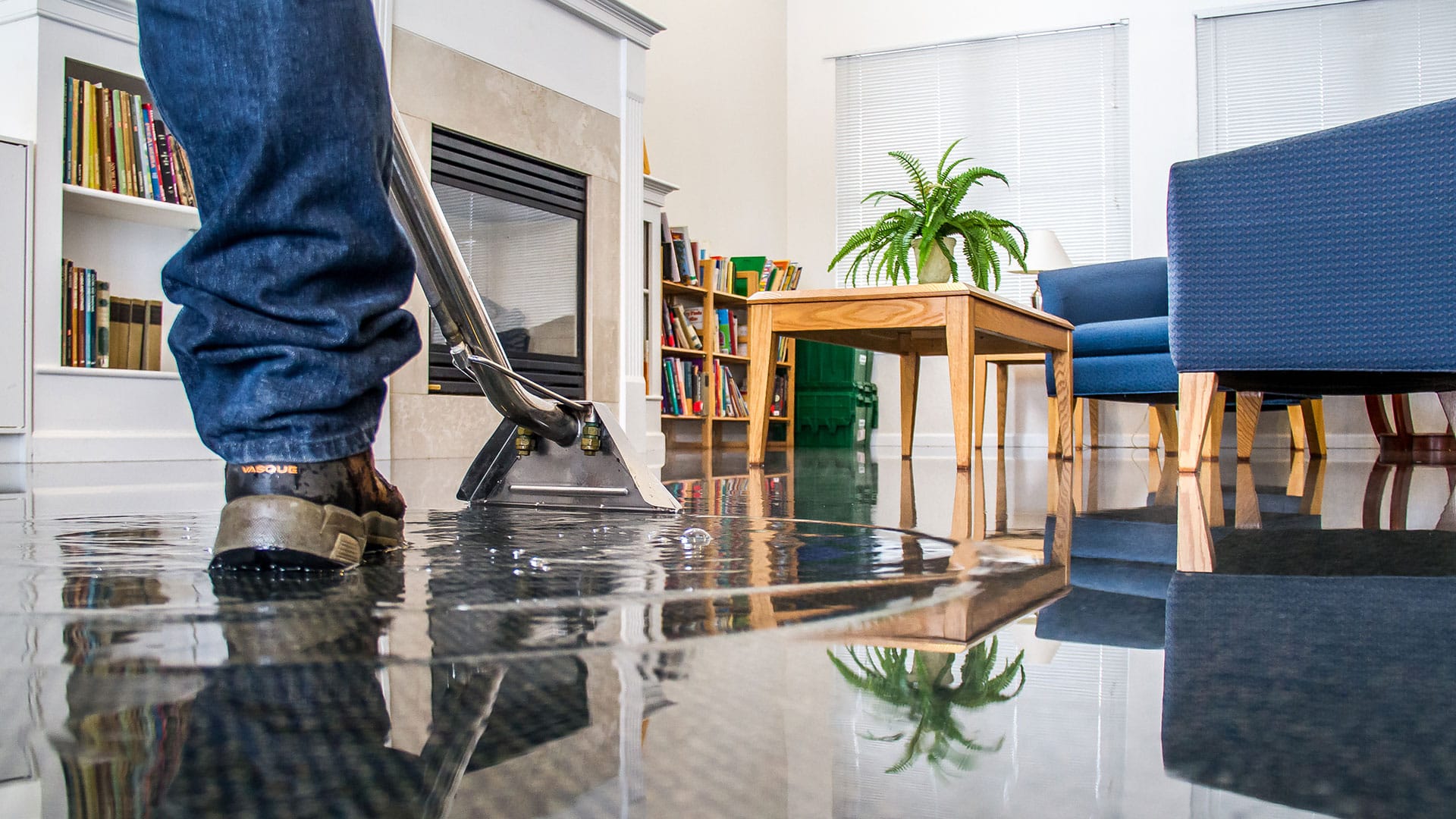
Flooding is one of the most destructive problems a property owner can face. It can happen suddenly and spread fast through every part of a home or building. Heavy rain, burst pipes, overflowing rivers, or drainage failure can all bring water inside your property. Once water enters, it does not stay in one place. It spreads into floors, walls, furniture, and even hidden spaces.
Many people think flood damage is only about wet floors or soaked carpets. But the real danger goes much deeper. Water can weaken the structure of your building, create health risks, and destroy valuable belongings. If you do not handle it quickly, the damage becomes worse every hour.
This is where flood damage restoration plays a very important role. It helps remove water, dry the property, clean affected areas, and protect your home or business from long-term harm. In simple words, flood damage restoration saves your property from further destruction and helps bring it back to a safe condition.
What Is Flood Damage Restoration?
Flood damage restoration is the process of cleaning, drying, repairing, and restoring a property after water damage. It focuses on removing all traces of floodwater and fixing the damage it causes.
This process is not just about wiping water from the floor. Water often hides inside walls, under flooring, and inside furniture. Professional restoration teams use special tools to find and remove this hidden moisture.
The main goal of flood damage restoration is to:
- Remove standing water
- Dry the entire property
- Clean and disinfect affected areas
- Prevent mold growth
- Repair damaged structures
- Restore the property to a safe condition
Quick action is very important because water damage becomes worse over time.
How Flooding Damages Your Property
Floodwater affects a property in many different ways. Some damage appears immediately, while other problems develop slowly over time.
1. Structural Damage
Water weakens building materials like wood, drywall, and insulation. When these materials stay wet, they start to lose strength. Floors may sag, walls may crack, and ceilings may become weak.
If the structure is not repaired quickly, it can become unsafe.
2. Damage to Flooring
Floodwater can destroy carpets, hardwood floors, laminate, and even tiles. Carpets absorb water quickly and become heavy and dirty. Wooden floors may swell, bend, or crack. Laminate floors often peel and separate.
3. Electrical Problems
Water and electricity do not mix. Flooding can damage wiring, switches, and electrical panels. This creates a serious safety risk. It can also lead to power failure or fire hazards if not handled properly.
4. Mold Growth
Mold is one of the biggest problems after flooding. It can start growing within 24 to 48 hours. Mold spreads quickly through damp walls, floors, and furniture. It also affects indoor air quality and can cause breathing problems.
5. Damage to Furniture and Belongings
Floodwater can ruin sofas, beds, tables, electronics, clothes, and documents. Some items may look fine at first but become damaged later due to moisture and bacteria.
6. Bad Odors and Air Quality Issues
Standing water and damp materials create strong musty smells. These odors spread through the entire property and make the space uncomfortable to live or work in.
The Flood Damage Restoration Process
Professional flood damage restoration follows a step-by-step process. Each step helps protect your property and reduce long-term damage.
Step 1: Emergency Response and Inspection
Restoration experts first inspect the property to understand the level of damage. They check where water has spread and identify the type of water involved.
They also classify the water:
- Clean water (from pipes or rain)
- Grey water (from appliances)
- Black water (from sewage or heavy contamination)
This helps them decide how to clean and restore the property safely.
Step 2: Water Removal
The next step is removing all standing water. Professionals use pumps, vacuums, and other equipment to extract water quickly.
This step is very important because the longer water stays, the more damage it causes.
Fast water removal helps:
- Stop further spreading
- Reduce structural damage
- Lower mold risk
Step 3: Drying and Dehumidification
Even after visible water is removed, moisture remains inside walls, floors, and furniture. This hidden moisture is dangerous.
Restoration teams use:
- Air movers
- Industrial fans
- Dehumidifiers
These machines pull moisture out of the structure and dry the property completely.
Proper drying prevents mold and long-term damage.
Step 4: Cleaning and Sanitizing
Floodwater often contains dirt, bacteria, and harmful substances. After drying, professionals clean and disinfect all affected areas.
They clean:
- Floors
- Walls
- Furniture
- Personal items
This step improves hygiene and removes harmful contaminants from the property.
Step 5: Mold Prevention and Treatment
After flooding, mold can grow very quickly. Restoration teams check for early signs of mold and treat affected areas.
They use special cleaning solutions to stop mold from spreading. They also make sure the property is completely dry to prevent future growth.
Step 6: Repairs and Restoration
The final step is repairing the damaged property. This may include:
- Replacing drywall
- Fixing flooring
- Repairing ceilings
- Restoring electrical systems
- Rebuilding damaged areas
Some properties need small repairs, while others need major reconstruction.
How Flood Damage Restoration Protects Your Property
Flood damage restoration does much more than cleaning water. It actively protects your property in many important ways.
1. Prevents Long-Term Structural Damage
Water can slowly destroy the structure of your property. If wood, drywall, and flooring stay wet, they become weak.
Flood damage restoration removes water quickly and dries the structure completely. This helps protect the strength and safety of your building.
2. Stops Mold Before It Spreads
Mold is fast and dangerous. Once it spreads, it becomes very difficult and expensive to remove.
Restoration experts dry the property and treat affected areas to stop mold growth early. This protects both your property and your health.
3. Protects Your Health
Floodwater can contain harmful bacteria and chemicals. Damp environments also increase the risk of allergies and breathing problems.
Professional cleaning removes these dangers and improves indoor air quality. This creates a safer living environment for your family or employees.
4. Saves Your Personal Belongings
Many items that seem ruined can actually be saved with proper cleaning. Restoration teams clean and restore furniture, clothing, electronics, and documents.
Quick action increases the chances of saving valuable items.
5. Reduces Overall Repair Costs
If water damage is not treated quickly, it becomes worse and more expensive to fix. Floors may need full replacement, walls may collapse, and mold removal can become costly.
Flood damage restoration stops damage early and helps reduce repair costs.
6. Prevents Electrical Hazards
Water can damage electrical systems and create serious risks. Restoration professionals inspect and help protect wiring, outlets, and appliances.
This reduces the risk of fire and electrical accidents.
7. Restores Property Value
Flood damage can lower the value of your property. Visible stains, odors, and structural issues make it less attractive.
Restoration helps return the property to a clean and safe condition, protecting its value.
Why Fast Action Is So Important
Time plays a very important role in flood damage recovery. Water spreads quickly and causes more damage every hour.
Delaying restoration can lead to:
- Mold growth within 1–2 days
- Permanent floor damage
- Wall weakening
- Strong odors that are hard to remove
- Higher repair costs
Fast restoration gives the best chance of saving your property.
Signs You Need Flood Damage Restoration
You may need professional help if you notice:
- Standing water in your home or building
- Wet carpets or floors
- Water stains on walls or ceilings
- Musty smells
- Mold spots
- Warped flooring
- Peeling paint
- Electrical issues after flooding
Even small signs of water damage should not be ignored.
How Professionals Help Protect Your Property
Flood restoration experts use advanced tools and training to handle water damage safely. They detect hidden moisture that is not visible to the eye. They also follow safety steps to clean and restore the property properly.
Their experience helps prevent mistakes that can lead to long-term damage.
Simple Tips to Prevent Flood Damage
While floods cannot always be avoided, you can reduce the risk with a few simple steps:
- Clean gutters regularly
- Check pipes and plumbing for leaks
- Repair roof damage quickly
- Install a sump pump in basements
- Seal cracks in walls and foundations
- Keep drains clear
- Prepare an emergency plan
These steps can help protect your property from serious water damage.
Final Thoughts
Flood damage can cause serious harm to your property in a very short time. Water spreads fast, weakens structures, destroys belongings, and creates health risks like mold.
Flood damage restoration plays a very important role in protecting your property. It removes water, dries hidden moisture, prevents mold growth, and repairs damage before it becomes worse.
