


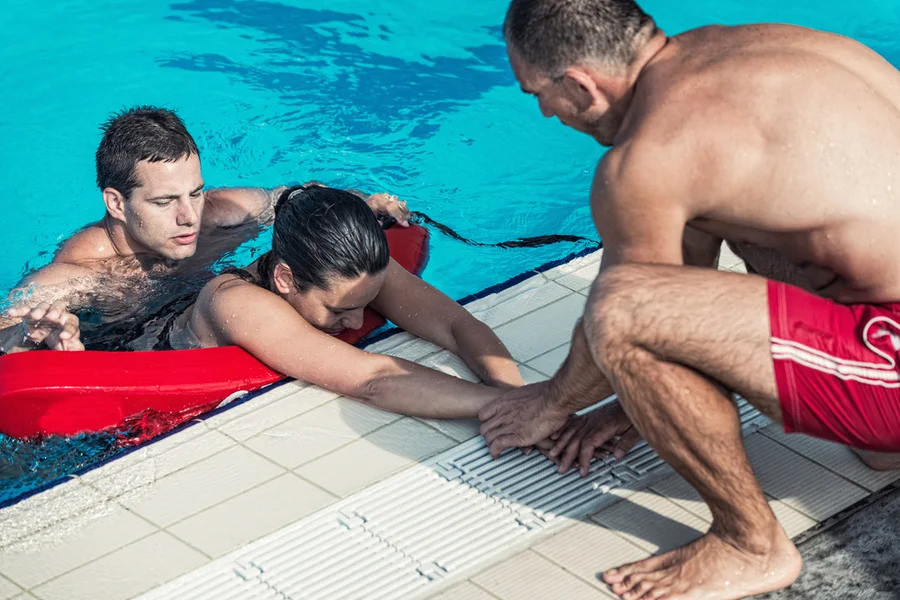
A lifeguard class is a structured training program designed to teach individuals how to prevent drowning, respond to aquatic emergencies, and provide life-saving first aid and CPR. These classes are required for anyone who wants to work as a certified lifeguard at pools, beaches, water parks, and recreational facilities.
Modern lifeguard classes follow standardized safety guidelines developed by organizations such as the American Red Cross, the American Lifeguard Association. These programs ensure lifeguards are trained to respond effectively in real-world emergencies.
What Is a Lifeguard Class?
A lifeguard class is a combination of theory lessons, physical training, and hands-on rescue practice. It is not just about swimming—it is about learning how to:
- Recognize drowning victims early
- Prevent accidents before they happen
- Perform water rescues safely
- Administer CPR and first aid
- Work as part of a rescue team
Most classes are designed for beginners who already meet basic swimming requirements.
Who Can Join a Lifeguard Class?
While requirements vary slightly by country and organization, most lifeguard classes require:
Basic Requirements:
- Minimum age (often 15–16 years or older)
- Strong swimming ability
- Ability to swim long distances continuously
- Comfort in deep water
Helpful but not required:
- Previous first aid knowledge
- Competitive swimming background
- Good physical fitness
Even beginners can join as long as they pass the initial swim test.
Structure of a Lifeguard Class
A lifeguard class is usually divided into three main parts:
1. Classroom Learning
This section teaches the knowledge behind lifeguarding, including:
- Water safety rules
- Drowning prevention
- Legal responsibilities of lifeguards
- Emergency action planning
- Communication and teamwork
Students often learn how to identify high-risk behavior in swimmers and how to prevent accidents before they happen.
2. Pool Training (Water Skills)
This is the most physically demanding part of the class.
Trainees practice:
- Swimming endurance tests
- Timed underwater retrieval
- Treading water without hands
- Rescue approaches and carries
- Victim releases and escapes
- Spine injury stabilization in water
Instructors simulate real rescue scenarios so students can build confidence under pressure.
3. CPR, AED, and First Aid Training
Lifeguards must be able to respond to medical emergencies immediately.
Training includes:
- CPR for adults, children, and infants
- AED (Automated External Defibrillator) use
- Choking response
- Bleeding control
- Shock and injury management
These skills are critical because lifeguards are often the first responders in emergencies.
Skills You Learn in a Lifeguard Class
A lifeguard class develops both physical and mental skills.
Physical Skills:
- Strong swimming endurance
- Quick water entry techniques
- Safe victim transport
- Rescue tool usage (tubes, ropes, etc.)
Mental Skills:
- Constant attention and focus
- Fast decision-making under pressure
- Risk assessment and prevention
- Calm behavior during emergencies
One of the most important lessons is learning how to stay alert during long hours of supervision.
How Long Is a Lifeguard Class?
Most lifeguard classes last:
- 20 to 40 hours total training time
- Completed over 2 to 5 days (intensive programs)
- Or spread across 1–3 weeks (part-time courses)
After training, students must pass both written and practical exams to earn certification.
What Happens in a Lifeguard Exam?
To become certified, candidates must pass:
Written Test:
- Safety rules
- Emergency procedures
- CPR knowledge
- Risk prevention concepts
Practical Test:
- Swimming endurance test
- Rescue simulations
- CPR performance test
- Deep-water retrieval
Failure in either section usually requires retaking the course or specific parts of it.
Real-Life Scenarios Used in Training
Lifeguard classes often include realistic simulations such as:
- A swimmer suddenly struggling and sinking
- A child going underwater in a crowded pool
- A spinal injury after diving into shallow water
- Multiple victims needing simultaneous rescue
These scenarios help trainees learn how to react quickly and correctly under stress.
Why Lifeguard Classes Are Important
Lifeguard training saves lives by preparing individuals to act in the critical first minutes of an emergency.
A trained lifeguard can:
- Prevent drowning before it happens
- Respond immediately to unconscious victims
- Perform CPR until medical help arrives
- Manage panic in crowded environments
Without trained lifeguards, response time in water emergencies would be dangerously slow.
Common Questions About Lifeguard Classes
Is it hard to pass a lifeguard class?
It can be challenging if you are not a strong swimmer, but most people pass with practice and focus.
Do I need to be an expert swimmer?
No, but you must meet minimum swimming requirements before starting.
Can teenagers take lifeguard classes?
Yes, many programs accept teens as young as 15 or 16.
Is certification permanent?
No, most certifications must be renewed every 1–3 years.
Career Opportunities After Completing a Lifeguard Class
Once certified, you can work in:
- Public swimming pools
- Water parks
- Beaches and resorts
- Hotels and sports clubs
Many lifeguards later move into careers such as:
- Swim coaching
- Emergency medical services
- Firefighting
- Recreation management
Lifeguarding is often a starting point for careers in public safety.
Conclusion
A lifeguard class is a complete training program that prepares individuals to protect lives in and around water. It combines swimming skills, rescue techniques, and emergency medical training into one structured course.
Organizations like the American Red Cross, American Lifeguard Association ensure that lifeguard classes meet strict safety standards and reflect real-world rescue situations.
