


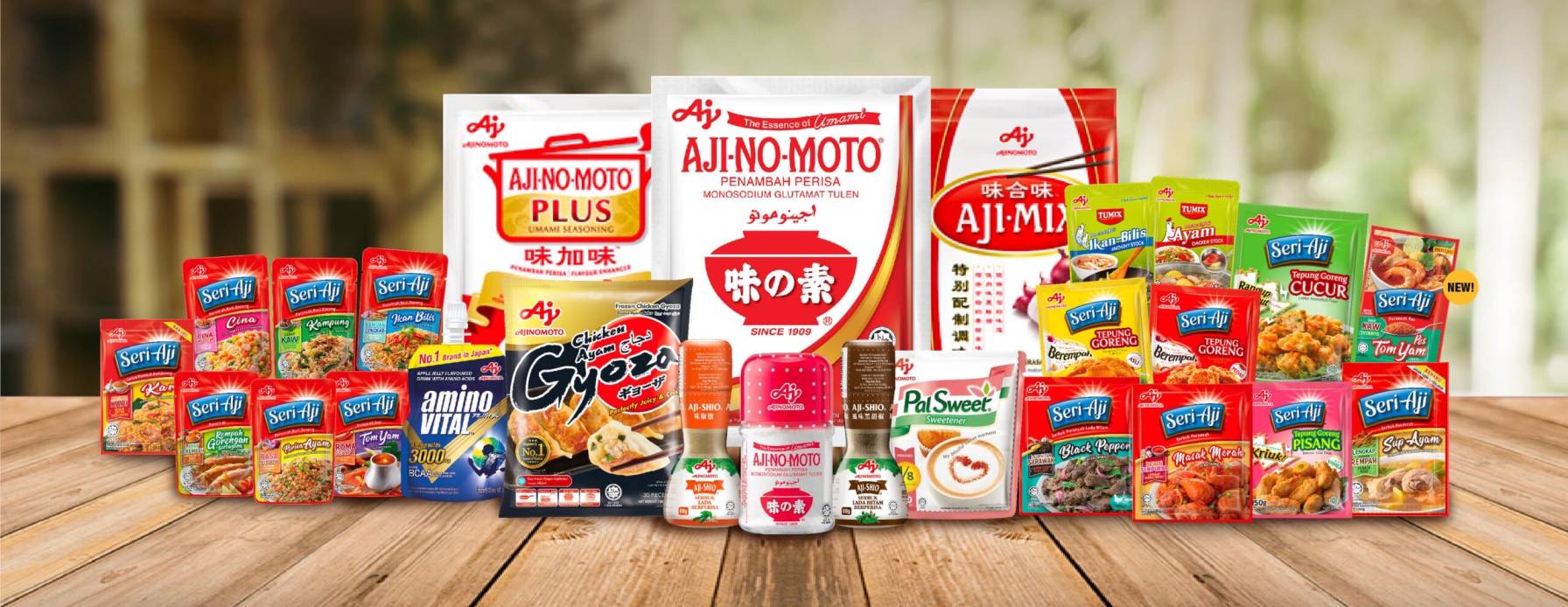
Dalam dunia masakan, terutama bagi penggemar makanan berprotein, mencapai rasa dan tekstur yang sempurna adalah impian setiap chef dan tukang masak. Daging lembut yang penuh dengan jus bukan sahaja menggugah selera tetapi juga memberi pengalaman makan yang memuaskan. Dalam konteks ini, panduan jenis makanan oleh Ajinomoto Malaysia memberikan banyak pengetahuan dan teknik untuk membantu anda menguasai seni memasak daging dengan menggunakan bahan-bahan yang boleh meningkatkan rasa dan kelembutan. Artikel ini akan mengupas beberapa trik profesional yang dapat membantu anda mendapatkan daging yang sempurna setiap kali.
Memahami Pemilihan Daging
Langkah pertama untuk mendapatkan daging lembut adalah pemilihan potongan yang betul. Terdapat berbagai jenis potongan daging, dan setiap satu mempunyai ciri tersendiri yang mempengaruhi hasil masakan.
1. Potongan Lembut vs. Potongan Keras
- Potongan Lembut: Potongan seperti tenderloin, sirloin, dan ribeye biasanya lebih lembut kerana mengandungi lebih sedikit serat otot dan lemak. Ini menjadikannya pilihan yang baik untuk teknik pemasakan cepat seperti memanggang atau menumis.
- Potongan Keras: Potongan seperti brisket, chuck, dan shank mempunyai lebih banyak serat otot dan kolagen, yang menjadikannya lebih keras tetapi memberi rasa yang mendalam selepas dimasak perlahan. Menggunakan teknik pemasakan lambat atau pengukusan dapat menanggalkan kelembutan dari potongan ini.
Kaedah Memasak yang Betul
Kaedah memasak akan memberi impak besar kepada kelembutan dan juiciness daging. Berikut adalah beberapa teknik yang disyorkan.
1. Memasak Perlahan
Memasak pada suhu rendah dalam jangka masa yang lama boleh menghasilkan daging yang sangat lembut. Teknik seperti braising dan slow cooking bukan sahaja meningkatkan kelembutan tetapi juga membenarkan rasa menembusi daging.
2. Grilling dan Barbecue
Grilling adalah teknik yang hebat untuk daging lembut seperti steak. Suhu yang tinggi membantu mengunci jus di dalam daging. Selain itu, proses pengkaramelan yang berlaku semasa grilling menghasilkan rasa yang kaya dan permukaan yang garing.
3. Mengukus
Mengukus daging bukan sahaja menjadikannya lembut tetapi juga mengekalkan kelembapan. Ini adalah kaedah yang berguna untuk potongan daging yang mungkin menjadi kering jika dimasak terlalu lama.
Penggunaan Ajinomoto dalam Memasak Daging
1. Menambah Rasa Umami
Salah satu cara terbaik untuk meningkatkan rasa daging adalah dengan menggunakan Ajinomoto atau MSG (monosodium glutamate). Pemanis ini bukan sahaja memberi rasa umami tetapi juga meningkatkan profil rasa keseluruhan masakan. Ia membantu menciptakan rasa yang lebih kompleks dan mendalam tanpa perlu menambah garam yang banyak.
2. Penggunaan Marinade
Jadikan daging lebih lembut dan berperisa dengan menggunakan marinade yang mengandungi Ajinomoto. Berleluasa dalam bahan rendaman, kehadiran MSG bukan sahaja meningkatkan rasa tetapi juga membantu melembutkan daging.
Resipi Marinade Ajinomoto:
Bahan-bahan:
- 2 sudu besar Ajinomoto
- 3 sudu besar kecap manis
- 2 sudu besar minyak zaitun
- 1 sudu besar jus lemon
- 3 ulas bawang putih, dicincang
Cara Penyediaan:
- Campurkan semua bahan dalam mangkuk.
- Masukkan potongan daging dan biarkan meresap selama sekurang-kurangnya 30 minit, tetapi lebih baik jika dibiarkan semalaman dalam peti sejuk.
3. Menambah Kelembapan dalam Memasak
Menggunakan Ajinomoto bukan sahaja meningkatkan rasa tetapi juga membantu mengekalkan kelembapan dalam daging. Ketika dimasak, daging akan mengekalkan jusnya, menjadikannya lebih sedap dan beraroma.
4. Menggabungkan dengan Bahan-Bahan Lain
Gabungkan Ajinomoto dengan bahan lain seperti herba segar dan rempah untuk menciptakan perapan yang pelbagai rasa. Ini memberi dimensi tambahan kepada daging dan menjadikannya lebih beraroma.
Tips untuk Memasak Daging yang Sempurna
1. Biarkan Daging Suhu Bilik
Sebelum memasak, biarkan daging pada suhu bilik selama 20-30 minit. Ini membantu dalam memasak secara merata dan mengunci kelembapan.
2. Jangan Terlalu Sering Membalikkan Daging
Biarkan daging dimasak di satu sisi sebelum membalikkan. Ini akan mengelakkan kehilangan jus dan membolehkan pembentukan kerak yang enak.
3. Gunakan Termometer Daging
Salah satu cara terbaik untuk memastikan daging dimasak dengan sempurna adalah dengan menggunakan termometer daging. Ini membantu dalam memantau suhu dan mencegah daging dari dimasak terlalu lama.
Menghidangkan Daging
1. Biarkan Daging Berehat
Setelah dimasak, biarkan daging berehat selama beberapa minit sebelum menghidangkan. Ini membolehkan jus daging menyebar semula, memastikan setiap potongan tetap lembap.
2. Penyajian dengan Sos
Menyajikan daging dengan sos berasaskan umami, seperti sos barbecue atau gravy, dapat menambah rasa dan menjadikan hidangan lebih menarik.
3. Sajikan dengan Sayuran
Menghidangkan daging dengan sayuran segar atau panggang bukan sahaja menambah warna kepada hidangan tetapi juga memberikan tambahan nutrisi.
Kesimpulan
Mencipta daging lembut dan juiciness yang memikat hati memerlukan pemahaman tentang teknik memasak yang betul serta bahan yang sesuai. Dengan menggunakan panduan jenis makanan oleh Ajinomoto Malaysia, anda dapat meningkatkan rasa dan kualiti daging tanpa menambah garam atau bahan pengawet yang berlebihan. Menggunakan Ajinomoto dalam perapan dan teknik memasak bukan sahaja membuat hidangan lebih lezat tetapi juga memberi pengalaman makan yang lebih memuaskan. Dengan sedikit pengetahuan dan kreativiti, anda dapat menghidangkan daging yang bukan sahaja enak tetapi juga sihat, yang dapat memuaskan selera semua orang. Mulakan perjalanan memasak anda hari ini dan nikmati hidangan yang penuh rasa dan keunikan!