
Tired of App Sprawl? The True Cost of Multiple Subscriptions

You start with a simple project management tool. A few months later, your sales team adopts a shiny new CRM. Then comes the marketing automation platform, the team chat app, and a dedicated time-tracking solution. Before you know it, your growing business is juggling dozens of disconnected software subscriptions.

This is known as app sprawl. It happens when an organisation rapidly adopts Software as a Service (SaaS) tools without a unified strategy. Recent data shows that the average company used 106 different SaaS apps in 2024.

While each tool promises to solve a specific problem, a bloated software stack eventually creates its own set of challenges. Symptoms like scattered data, rising monthly costs, and duplicated workflows start quietly, but they can quickly suffocate a growing enterprise.

How Businesses End Up With Too Many Software Tools

App sprawl rarely happens on purpose. It usually creeps in as a byproduct of fast growth and good intentions. Here is how most companies find themselves overwhelmed by software:

  • Department-led tool adoption: Teams purchase their own software without consulting IT or leadership.
  • The “best tool for each job” mindset: Choosing hyper-specialised apps for minor tasks rather than leveraging existing platforms.
  • Lack of system-wide planning: Adding software reactively to solve immediate pain points.
  • Growth without architecture review: Scaling up operations without ever auditing the technology stack.

The True Cost of Multiple Software Subscriptions

Every new tool feels like a small monthly expense, but the collective toll goes far beyond the subscription price.

Financial Drain

Stacked SaaS subscriptions devour profit margins. Businesses often pay for overlapping functionality across different platforms. Add in hidden per-user fees, premium feature upgrades, and unused licences, and you have a significant financial leak.

Operational Inefficiency

Switching between systems breaks focus and slows down your team. Employees waste hours on manual data transfer and duplicate reporting work, simply because their tools do not communicate with one another.

Data Fragmentation

When information lives in isolated silos, you lose your single source of truth. This data fragmentation leads to inconsistent reporting, misaligned teams, and delayed decision-making.

IT Complexity

Managing multiple vendors is an administrative nightmare. Your IT team is burdened with maintaining complex integrations and monitoring security management across a fragile network of platforms.

Why Integrations Are Not a Long-Term Fix

You might think connecting your apps via APIs is the perfect solution. Unfortunately, APIs create fragile dependency chains. When one tool updates its software, the entire ecosystem can break. This increasing maintenance overhead leaves your business relying on a patchwork ecosystem rather than a stable foundation.

What Businesses Usually Do Next (Without Realising the Risk)

When the patchwork starts failing, companies often make the problem worse. They add even more tools to bridge integration gaps or attempt to automate inherently broken processes. Instead of fixing the structural issues, they unintentionally increase the complexity of their operations.

The Alternative: Consolidating Into a Single Business System

The most effective way to cure app sprawl is through centralisation. Enterprise Resource Planning (ERP) systems offer a unified data model and streamlined workflows. By bringing your core operations into a single environment, you drastically reduce tool dependency. Working with a local expert, such as an Odoo partner in Australia, can help you tailor a comprehensive ERP solution to replace dozens of disjointed apps naturally.

What a Unified System Actually Changes in Daily Operations

Consolidation transforms how your team works every single day. A unified system provides:

  • One login instead of navigating multiple platforms
  • A single reporting structure for accurate, real-time insights
  • Reduced duplication of administrative work
  • Improved visibility across all departments

How Businesses Transition Away From App Sprawl

Moving away from a bloated tech stack requires a methodical approach. First, audit your existing tools to see exactly what you are paying for. Next, map out overlapping functions to identify which apps are redundant. Once you define your core system requirements, you can execute a phased migration to ensure minimal disruption to your daily operations.

Key Risks When Trying to Fix App Sprawl

Consolidation is powerful, but executing it poorly brings new risks. Avoid rushing the tool removal process. Migrating without reviewing your underlying business processes will only recreate old problems in a new system. Take the time to redesign your workflows, and never ignore the importance of user adoption and staff training.

When App Sprawl Becomes a Serious Business Problem

How do you know it is time to act? Watch for these critical warning signs:

  • Rising subscription costs are actively outpacing your revenue growth.
  • Your team cannot produce accurate, cross-departmental reports quickly.
  • You rely heavily on manual spreadsheets to connect data from different apps.
  • Poor cross-team coordination is impacting your customer experience.

Reducing Complexity Is More Valuable Than Adding Tools

The core issue holding your business back is system fragmentation. While it is tempting to chase the latest software trends, long-term efficiency comes from consolidation. Focus on the structure of your business operations, not the number of tools in your tech stack.

Ready to streamline your business? Start auditing your software subscriptions today and take the first step toward a more unified, efficient future.
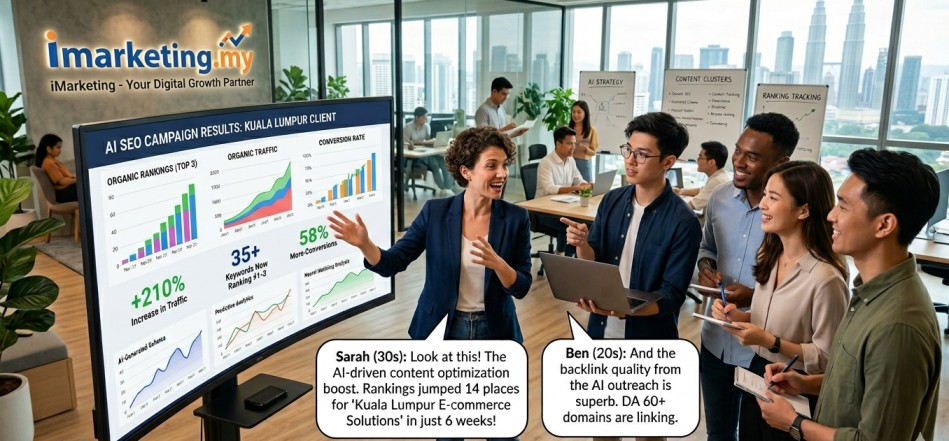

What Services Does an AI SEO Company Provide?

Search engine optimisation is undergoing a massive shift. Algorithms are becoming smarter, and the traditional methods of ranking a website are struggling to keep up with machine learning. This shift has led to the rise of the modern ai seo company, a new breed of agency that blends artificial intelligence with search strategy. If you want to understand how these agencies operate and what they actually do behind the scenes, you are in the right place.

Business owners and marketing teams frequently hear about artificial intelligence revolutionising search. Yet, the specific deliverables can feel a bit mysterious. We are going to unpack the exact services these specialised companies offer and how they can directly impact your search rankings.

Understanding the Core: What is an AI SEO Company?

At its most basic level, an AI SEO agency uses machine learning algorithms, natural language processing, and advanced software to automate and enhance search engine optimisation. Rather than relying entirely on manual research and intuition, these teams use vast amounts of data to make informed decisions.

Traditional agencies might spend weeks manually grouping keywords or auditing a large website. An AI-driven team uses software to process that same information in a fraction of the time. This allows the human experts to focus on high-level strategy and creative execution, rather than getting bogged down in spreadsheets.

Key Services Offered by AI SEO Companies

So, what exactly are you paying for when you hire one of these agencies? The deliverables often look different from standard SEO packages.

AI-Powered Keyword Research and Content Optimisation

Keyword research used to mean finding terms with high search volume and low competition. Now, it requires understanding user intent. AI tools analyse semantic relationships between words, identifying clusters of topics that search engines favour. Agencies use this technology to brief writers on exact entities, questions, and subtopics that need to be covered to rank well.

Predictive Analytics for SEO Strategies

Instead of reacting to traffic drops, artificial intelligence can forecast future trends. Agencies use predictive analytics to anticipate changes in search volume based on historical data and seasonal shifts. This means you can create content for emerging trends before your competitors even realise they exist.

Automated Technical SEO Audits

Technical SEO is vital for search success. An AI SEO firm will deploy crawlers that continuously monitor your site for broken links, slow loading times, and indexing errors. Machine learning helps categorise these issues by severity, automatically alerting the development team to critical errors before they impact your rankings.

Competitor Analysis and Market Trends

Tracking competitors manually is exhausting. AI tools can monitor thousands of competitor pages simultaneously. These agencies provide real-time reports on when competitors update their content, acquire new backlinks, or change their site structure. You receive actionable insights on how to counteract their moves immediately.

Personalised User Experience (UX) Enhancements

Search engines heavily reward websites that provide a great user experience. AI can track how different segments of users interact with your pages. Agencies analyse this behavioural data to suggest layout changes, content repositioning, or improved site navigation, ultimately keeping visitors on your site longer and reducing bounce rates.

Benefits of Partnering with an AI SEO Company

Working with a tech-forward agency provides several distinct advantages for growing businesses.

Enhanced Efficiency and Accuracy

Machines do not get tired. By automating repetitive tasks like data entry and basic technical checks, an AI-focused agency works much faster. This efficiency translates to quicker implementation of strategies and fewer human errors in data analysis.

Data-Driven Decision Making

Guesswork is removed from the equation. Every recommendation provided by an AI SEO partner is backed by hard data. Whether it is a suggestion to merge two articles or disavow a batch of toxic backlinks, the advice relies on algorithmic evidence rather than personal preference.

Staying Ahead of Algorithm Changes

Google updates its search algorithm thousands of times a year. AI systems can detect patterns in search engine results pages (SERPs) almost instantly following an update. Your agency can then pivot your strategy rapidly, minimising traffic losses and capitalising on new ranking opportunities.

Scalability and Cost-Effectiveness

Scaling a traditional SEO campaign usually requires hiring more people. AI tools allow an agency to manage massive websites with thousands of pages without a proportional increase in labour costs. You get enterprise-level analysis without the enterprise-level overhead.

Challenges and Considerations

While the technology is impressive, it is not flawless. AI can sometimes misinterpret context or generate content that lacks a human touch. A purely automated approach can lead to generic, robotic text that fails to engage readers. Therefore, the best agencies use artificial intelligence to assist their human experts, not replace them. You must ensure the company you hire maintains strong editorial standards and human oversight.

Choosing the Right AI SEO Partner

Selecting the right agency requires asking the right questions. Find out exactly which tools they use and how they blend automation with human creativity. Ask for case studies showing how their specific AI processes have improved rankings for other clients. A reputable agency will be highly transparent about their technology stack and their methodology.

The Future of SEO is AI-Powered

Search engines themselves are built on artificial intelligence. To communicate effectively with these engines, your marketing strategy needs to speak the same language. Partnering with a company that understands and utilises machine learning gives you a significant advantage in an increasingly competitive digital landscape. By embracing these advanced services, you position your website to not just keep up with the current standards, but to dominate the search results of tomorrow.

The Complete Guide to Multi-Touch Panels in Malaysia

What exactly is a multi-touch panel? Simply put, it is a display screen that recognises the presence of more than one point of contact with the surface. This technology allows users to pinch, swipe, and zoom, creating a highly intuitive and interactive experience. If you are looking to upgrade your business operations, finding the right multi touch panel malaysia has to offer can completely transform how you engage with customers and staff.

Over the past few years, interactive displays have rapidly moved from novelty items to essential business tools. Consumers now expect seamless, digital-first experiences wherever they go. By integrating these panels into daily operations, organisations can bridge the gap between the physical and digital worlds.

From bustling shopping centres in Kuala Lumpur to modern university campuses, interactive screens are popping up everywhere. This guide explores the diverse applications of this technology across various industries and highlights why businesses should consider making the switch.

Versatile Applications Across Industries

The Retail Sector

Shoppers love convenience. Retailers can install interactive product catalogues and virtual try-on mirrors to help customers visualise products before buying. Furthermore, self-service kiosks allow people to check inventory or place orders without waiting in lengthy queues. This level of customer engagement not only drives sales but also serves as an excellent platform for targeted advertising.

The Education Sector

Schools and universities are replacing traditional chalkboards with interactive whiteboards to encourage collaborative learning. Teachers can run educational games and complex simulations directly on the screen. Outside the classroom, digital displays provide real-time campus information and navigation assistance for new students and visitors.

Corporate and Business Environments

Modern offices thrive on collaboration. Interactive meeting room displays make presentations far more dynamic, allowing teams to annotate slides and share ideas in real time. Digital signage in lobbies keeps guests informed, while collaborative workstations enable design and engineering teams to review 3D models and project plans with a simple swipe of a finger.

Hospitality and Tourism

Hotels and resorts can drastically improve guest experiences with digital concierge services. Interactive hotel directories and booking systems allow guests to explore local attraction guides at their own pace. Meanwhile, restaurants are adopting digital menus and automated ordering systems to speed up service and reduce human error.

The Healthcare Sector

Hospitals are inherently complex environments. Wayfinding screens help patients navigate large medical complexes with ease, reducing stress and confusion. Additionally, patient information kiosks streamline the registration process. Doctors and specialists also use interactive medical imaging tools during consultations to explain diagnoses clearly to their patients.

Public Spaces and Transportation

Airports and train stations rely heavily on efficient passenger flow. Interactive information points and ticketing solutions help travellers find their way and purchase fares quickly. While people wait for their transport, digital advertising and entertainment screens keep them engaged and informed.

Benefits of Adopting Multi-Touch Panels

Implementing interactive screens brings several distinct advantages. First, it greatly enhances user experience and engagement by giving people direct control over the information they seek. Second, it increases efficiency and automation, freeing up staff to handle more complex customer service tasks.

A business that uses modern technology also projects an innovative brand image. Customers view these companies as forward-thinking and professional. Finally, these panels offer brilliant data collection and analytics opportunities. Every tap and swipe is recorded, providing valuable insights into consumer behaviour and preferences.

Key Considerations for Implementation in Malaysia

Before investing in interactive displays, businesses must choose the right technology and provider. It is vital to select hardware that can withstand daily public use. Content creation and management are equally important. A screen is only as good as the software running on it, so the interface must be intuitive and visually appealing.

Organisations should also secure reliable maintenance and technical support to prevent prolonged downtime. Lastly, evaluate the cost-effectiveness and return on investment (ROI). While the initial setup cost might be high, the long-term savings in labour and increased sales often justify the expenditure.

Embracing Interactive Technology for the Future

Interactive displays offer widespread applicability and tangible benefits across almost every sector. From retail and healthcare to education and corporate environments, the ability to engage users directly is a powerful advantage. The future outlook for multi-touch panels in Malaysia is incredibly bright, with adoption rates expected to climb as the technology becomes even more accessible.

Businesses looking to stay competitive should seriously consider exploring this technology. By integrating interactive solutions now, you can future-proof your operations and consistently deliver exceptional experiences to your audience.

What Is ERP System Integration and Why Does It Matter?

People Using M plus software to manage their business

Running a modern business involves managing a massive amount of information across multiple departments. When your sales, finance, and human resources teams use completely different software to track their daily activities, bottlenecks quickly emerge. This disconnected approach slows down operations and leads to frustrating communication breakdowns. Implementing proper erp system integration solves this problem by connecting your disparate software applications into one unified environment.

By tying everything together, you create a seamless flow of information across your entire organisation. You no longer have to worry about manual data entry errors or waiting days for a report from another department. This unified approach gives your leadership team the visibility they need to make smart, timely decisions. Read on to discover how connecting your core systems can transform your daily operations and position your business for long-term growth.

Understanding ERP Systems

To fully grasp the value of integrating your tools, you first need to understand the foundation. An Enterprise Resource Planning (ERP) system is a type of software that organisations use to manage day-to-day business activities. This includes accounting, procurement, project management, risk management, and supply chain operations.

Key Components and Modules

A typical ERP system contains several modules tailored to specific business functions. Common modules include finance, human resources, manufacturing, supply chain, services, and procurement. Each module draws from a central database, ensuring that all departments work from the exact same numbers.

The Evolution of ERP

Historically, ERP systems were massive, on-premises applications used only by large corporations. Over the decades, they have evolved into agile, cloud-based platforms accessible to businesses of all sizes. This evolution has made connectivity with other tools easier than ever before.

The Concept of ERP Integration

Having a powerful ERP is a great start, but it rarely operates in a vacuum. Most businesses rely on a variety of specialised third-party applications for tasks like email marketing, customer relationship management (CRM), and e-commerce.

What Does Integration Actually Mean?

In this context, integration means connecting your ERP software with other systems to ensure that data flows seamlessly between them. When a customer places an order on your website, that information should instantly appear in your financial and inventory software.

Types of ERP Integration

Organisations typically utilise three main types of integration:

  • Data Integration: Synchronising information across databases so everyone accesses the most up-to-date numbers.
  • Application Integration: Allowing different software programs to communicate and trigger actions in one another.
  • Process Integration: Automating entire business workflows that span multiple departments and software tools.

Beyond Simple Data Transfer

True integration goes far beyond a nightly export and import of spreadsheet files. It involves real-time, bi-directional communication between systems, ensuring that a change in one application instantly reflects across your entire digital ecosystem.

Why ERP System Integration Matters for Your Business

Connecting your software landscape brings immense value to your organisation. Here is why making the investment pays off.

Streamlined Operations and Enhanced Efficiency

With centralised data management, you eliminate the need for employees to enter the same information into multiple systems. Automation of routine workflows drastically reduces manual errors and administrative redundancy, freeing up your team to focus on strategic tasks.

Improved Data Accuracy and Accessibility

Integration creates a single source of truth for your business. Because information updates in real time, decision-makers always have accurate data at their fingertips. You never have to second-guess whether a sales report or inventory count is current.

Enhanced Customer Experience

When your systems talk to each other, you can process orders faster and deliver services more reliably. Customer service representatives gain immediate access to a client’s complete history, enabling highly personalised and effective interactions.

Cost Savings and ROI

While setting up these connections requires an initial investment, the long-term cost savings are substantial. You reduce operational costs by optimising resource utilisation and cutting down on administrative waste. Furthermore, streamlined processes lead to a much faster time to market for new products and services.

Scalability and Flexibility

As your business grows, your software needs will change. An integrated environment adapts easily to business growth, making it simpler to adopt new technologies and plug them directly into your existing infrastructure.

Better Regulatory Compliance and Reporting

A unified data structure simplifies the auditing process. With accurate financial reporting and easily trackable data trails, meeting strict industry regulations becomes a straightforward task rather than a stressful ordeal.

Challenges and Considerations

Connecting complex software platforms is not without its hurdles. You must navigate several technical and strategic challenges to succeed.

Technical complexity is often the biggest barrier. Mapping data correctly between different systems requires a deep understanding of both platforms. Security is another major concern; opening channels between software creates potential vulnerabilities that require robust encryption and authentication protocols. Additionally, businesses must carefully budget for both the initial implementation and ongoing maintenance. Because of these factors, choosing the right integration partner is absolutely crucial to your success.

Best Practices for Successful Integration

To avoid common pitfalls and ensure a smooth transition, follow these proven strategies:

  • Define Clear Objectives: Map out exactly what you want to achieve before touching any code.
  • Comprehensive Planning: Create a detailed roadmap that accounts for potential risks and delays.
  • Maintain Data Quality: Clean up your existing data before moving it. Integrating bad data only magnifies your problems.
  • Use a Phased Approach: Roll out connections one module at a time rather than attempting a massive, all-at-once launch.
  • Test Thoroughly: Validate every data pathway extensively before taking the system live.
  • Train Your Team: Ensure your staff understands how to use the new workflows to maximise adoption.
  • Monitor and Optimise: Treat integration as an ongoing process, regularly checking performance and making adjustments.

Future Trends to Watch

The technology behind business systems is constantly advancing. Cloud-based ERPs and hybrid deployment models are becoming the industry standard, offering unprecedented flexibility. Meanwhile, artificial intelligence and machine learning are beginning to automate the integration process itself, predicting data mapping needs and identifying errors before they occur. We are also seeing an increased focus on API-led connectivity, which allows businesses to connect new apps quickly without writing extensive custom code.

Maximising Your Business Potential

Connecting your enterprise resource planning software with your other essential tools is no longer an optional luxury. It is a fundamental requirement for maintaining a competitive edge. By centralising your data, automating workflows, and reducing manual errors, you build a resilient foundation capable of supporting rapid growth.

Take a close look at your current software stack today. Identify the manual processes that slow your team down, and explore how connecting those systems can unlock new levels of efficiency and profitability for your organisation.

Why Outdoor LED Screens Are Essential for Advertising

Advertising has shifted dramatically from the days of simple paper posters and painted signs. As brands compete for attention in increasingly busy urban environments, static images often fail to capture consumer interest. This shift has made the outdoor led screen a pivotal advertising tool for businesses looking to make a lasting impression.

Unlike traditional methods, digital displays offer brilliant illumination and dynamic movement that naturally draw the eye. They allow marketers to deliver targeted, high-impact messages to large crowds at a moment’s notice. Reading this guide will help you understand exactly why these digital displays have become a game-changer for modern marketing, and how they can generate a strong return on investment for your campaigns.

Unmatched Visibility and Engagement

The primary advantage of digital displays is their ability to command attention. They stand out in a way that traditional printed media simply cannot match.

High Brightness and Clarity in Any Weather

An outdoor LED display is specifically engineered to combat the elements. Whether facing the glare of the midday sun or heavy rain, these screens maintain their vibrant colours and sharp contrast. High brightness levels ensure your messaging remains visible and legible regardless of the lighting conditions.

Dynamic Content vs. Static Billboards

Static billboards blend into the background after a few viewings. Video and animation, on the other hand, constantly refresh the viewer’s experience. Dynamic content catches the peripheral vision of pedestrians and drivers, encouraging them to look directly at the advertisement.

Capturing Audience Attention in High-Traffic Areas

Placing these screens in busy locations—such as shopping centres, motorways, and transport hubs—maximises reach. The combination of strategic placement and moving visuals results in significantly higher engagement rates compared to traditional outdoor media.

Versatility and Adaptability

Digital out-of-home advertising offers unprecedented flexibility. Marketers can adjust their strategies on the fly without printing a single sheet of paper.

Customisable Content for Diverse Campaigns

Brands can run multiple advertisements on a single screen. You can display a breakfast promotion in the morning and switch to an evening entertainment advert by the afternoon. This customisable approach means the screen works hard for your business throughout the entire day.

Real-time Updates and Scheduling Flexibility

If a campaign needs a sudden change, digital screens accommodate immediate updates. Whether it is a flash sale, a reaction to a live sporting event, or a change in the weather, operators can push new content to the screens remotely in a matter of seconds.

Applications Across Various Industries

This technology is not limited to retail. The entertainment industry uses them to showcase film trailers, public services broadcast vital community safety messages, and transport networks use them for live travel updates alongside commercial advertising.

Cost-Effectiveness and ROI

While purchasing digital signage requires capital, the long-term financial benefits make it a highly cost-effective marketing strategy.

Long-Term Savings Compared to Traditional Advertising

Printing, transporting, and physically installing massive vinyl billboards incurs continuous costs. Digital screens eliminate these recurring production and installation expenses. Once the hardware is in place, uploading new artwork costs virtually nothing.

Measuring Impact and Analytics

Modern outdoor led screen campaigns often integrate with analytics software and mobile tracking technologies. This allows advertisers to estimate footfall, gauge peak viewing times, and measure the overall effectiveness of their campaigns with far greater accuracy than legacy media.

Increased Brand Exposure and Customer Conversion

Because digital screens attract more views and allow for highly targeted scheduling, they naturally drive better brand recall. This increased exposure frequently translates into higher customer conversion rates, validating the initial hardware investment.

Technological Advancements and Future Trends

The technology behind digital advertising continues to advance, bringing exciting new capabilities to the public space.

Interactive LED Screens and Augmented Reality

Screens are becoming interactive portals. Some displays now incorporate augmented reality, allowing passers-by to see themselves interacting with virtual products on the screen. Touch capabilities and mobile integrations are turning passive viewing into active participation.

Energy Efficiency and Sustainability

Older display technologies consumed vast amounts of electricity. Modern LED diodes are incredibly energy efficient. Manufacturers are also developing screens made from recyclable materials and powering them through integrated solar panels, aligning with global sustainability targets.

Integration with Smart City Infrastructures

As cities modernise, digital screens are being integrated directly into smart city networks. They serve a dual purpose: displaying commercial adverts while also providing real-time data on air quality, traffic flow, and emergency alerts.

Challenges and Considerations

Despite the clear benefits, businesses must navigate a few hurdles when adopting digital display technology.

Initial Investment and Maintenance

Purchasing and installing commercial-grade screens requires a significant upfront budget. Furthermore, these screens need regular maintenance to ensure cooling systems function correctly and individual LED modules are replaced if they fail.

Regulatory and Permitting Landscape

Local councils often have strict regulations regarding the brightness, size, and placement of digital screens to prevent driver distraction and light pollution. Securing the necessary planning permissions can be a lengthy process.

Content Creation and Management Best Practices

Having a screen is only half the battle; you need compelling content to fill it. Businesses must invest in quality graphic design and video production, whilst adhering to best practices for reading times, text sizes, and colour contrasts to ensure the message is easily absorbed.

The Indispensable Role of Digital Displays

The transition from static posters to dynamic digital displays represents a permanent shift in how brands communicate with the public. Outdoor LED screens provide unparalleled visibility, incredible flexibility, and a strong return on investment through reduced production costs and increased consumer engagement.

As augmented reality and smart city integrations continue to develop, the capabilities of digital out-of-home advertising will only expand. If you want your business to remain visible and competitive, now is the time to embrace digital screen technology and transform how you connect with your audience.

Daging Lembut & Jus Berkunci: Trik Profesional Menggunakan Ajinomoto dalam Masakan Berprotein

Dalam dunia masakan, terutama bagi penggemar makanan berprotein, mencapai rasa dan tekstur yang sempurna adalah impian setiap chef dan tukang masak. Daging lembut yang penuh dengan jus bukan sahaja menggugah selera tetapi juga memberi pengalaman makan yang memuaskan. Dalam konteks ini, panduan jenis makanan oleh Ajinomoto Malaysia memberikan banyak pengetahuan dan teknik untuk membantu anda menguasai seni memasak daging dengan menggunakan bahan-bahan yang boleh meningkatkan rasa dan kelembutan. Artikel ini akan mengupas beberapa trik profesional yang dapat membantu anda mendapatkan daging yang sempurna setiap kali.

Memahami Pemilihan Daging

Langkah pertama untuk mendapatkan daging lembut adalah pemilihan potongan yang betul. Terdapat berbagai jenis potongan daging, dan setiap satu mempunyai ciri tersendiri yang mempengaruhi hasil masakan.

1. Potongan Lembut vs. Potongan Keras

  • Potongan Lembut: Potongan seperti tenderloin, sirloin, dan ribeye biasanya lebih lembut kerana mengandungi lebih sedikit serat otot dan lemak. Ini menjadikannya pilihan yang baik untuk teknik pemasakan cepat seperti memanggang atau menumis.
  • Potongan Keras: Potongan seperti brisket, chuck, dan shank mempunyai lebih banyak serat otot dan kolagen, yang menjadikannya lebih keras tetapi memberi rasa yang mendalam selepas dimasak perlahan. Menggunakan teknik pemasakan lambat atau pengukusan dapat menanggalkan kelembutan dari potongan ini.

Kaedah Memasak yang Betul

Kaedah memasak akan memberi impak besar kepada kelembutan dan juiciness daging. Berikut adalah beberapa teknik yang disyorkan.

1. Memasak Perlahan

Memasak pada suhu rendah dalam jangka masa yang lama boleh menghasilkan daging yang sangat lembut. Teknik seperti braising dan slow cooking bukan sahaja meningkatkan kelembutan tetapi juga membenarkan rasa menembusi daging.

2. Grilling dan Barbecue

Grilling adalah teknik yang hebat untuk daging lembut seperti steak. Suhu yang tinggi membantu mengunci jus di dalam daging. Selain itu, proses pengkaramelan yang berlaku semasa grilling menghasilkan rasa yang kaya dan permukaan yang garing.

3. Mengukus

Mengukus daging bukan sahaja menjadikannya lembut tetapi juga mengekalkan kelembapan. Ini adalah kaedah yang berguna untuk potongan daging yang mungkin menjadi kering jika dimasak terlalu lama.

Penggunaan Ajinomoto dalam Memasak Daging

1. Menambah Rasa Umami

Salah satu cara terbaik untuk meningkatkan rasa daging adalah dengan menggunakan Ajinomoto atau MSG (monosodium glutamate). Pemanis ini bukan sahaja memberi rasa umami tetapi juga meningkatkan profil rasa keseluruhan masakan. Ia membantu menciptakan rasa yang lebih kompleks dan mendalam tanpa perlu menambah garam yang banyak.

2. Penggunaan Marinade

Jadikan daging lebih lembut dan berperisa dengan menggunakan marinade yang mengandungi Ajinomoto. Berleluasa dalam bahan rendaman, kehadiran MSG bukan sahaja meningkatkan rasa tetapi juga membantu melembutkan daging.

Resipi Marinade Ajinomoto:

Bahan-bahan:

  • 2 sudu besar Ajinomoto
  • 3 sudu besar kecap manis
  • 2 sudu besar minyak zaitun
  • 1 sudu besar jus lemon
  • 3 ulas bawang putih, dicincang

Cara Penyediaan:

  1. Campurkan semua bahan dalam mangkuk.
  2. Masukkan potongan daging dan biarkan meresap selama sekurang-kurangnya 30 minit, tetapi lebih baik jika dibiarkan semalaman dalam peti sejuk.

3. Menambah Kelembapan dalam Memasak

Menggunakan Ajinomoto bukan sahaja meningkatkan rasa tetapi juga membantu mengekalkan kelembapan dalam daging. Ketika dimasak, daging akan mengekalkan jusnya, menjadikannya lebih sedap dan beraroma.

4. Menggabungkan dengan Bahan-Bahan Lain

Gabungkan Ajinomoto dengan bahan lain seperti herba segar dan rempah untuk menciptakan perapan yang pelbagai rasa. Ini memberi dimensi tambahan kepada daging dan menjadikannya lebih beraroma.

Tips untuk Memasak Daging yang Sempurna

1. Biarkan Daging Suhu Bilik

Sebelum memasak, biarkan daging pada suhu bilik selama 20-30 minit. Ini membantu dalam memasak secara merata dan mengunci kelembapan.

2. Jangan Terlalu Sering Membalikkan Daging

Biarkan daging dimasak di satu sisi sebelum membalikkan. Ini akan mengelakkan kehilangan jus dan membolehkan pembentukan kerak yang enak.

3. Gunakan Termometer Daging

Salah satu cara terbaik untuk memastikan daging dimasak dengan sempurna adalah dengan menggunakan termometer daging. Ini membantu dalam memantau suhu dan mencegah daging dari dimasak terlalu lama.

Menghidangkan Daging

1. Biarkan Daging Berehat

Setelah dimasak, biarkan daging berehat selama beberapa minit sebelum menghidangkan. Ini membolehkan jus daging menyebar semula, memastikan setiap potongan tetap lembap.

2. Penyajian dengan Sos

Menyajikan daging dengan sos berasaskan umami, seperti sos barbecue atau gravy, dapat menambah rasa dan menjadikan hidangan lebih menarik.

3. Sajikan dengan Sayuran

Menghidangkan daging dengan sayuran segar atau panggang bukan sahaja menambah warna kepada hidangan tetapi juga memberikan tambahan nutrisi.

Kesimpulan

Mencipta daging lembut dan juiciness yang memikat hati memerlukan pemahaman tentang teknik memasak yang betul serta bahan yang sesuai. Dengan menggunakan panduan jenis makanan oleh Ajinomoto Malaysia, anda dapat meningkatkan rasa dan kualiti daging tanpa menambah garam atau bahan pengawet yang berlebihan. Menggunakan Ajinomoto dalam perapan dan teknik memasak bukan sahaja membuat hidangan lebih lezat tetapi juga memberi pengalaman makan yang lebih memuaskan. Dengan sedikit pengetahuan dan kreativiti, anda dapat menghidangkan daging yang bukan sahaja enak tetapi juga sihat, yang dapat memuaskan selera semua orang. Mulakan perjalanan memasak anda hari ini dan nikmati hidangan yang penuh rasa dan keunikan!

Cadangan Trip Bajet ke Penang oleh Easybook

Bagi mereka yang ingin menikmati percutian di Pulau Pinang tanpa membebankan bajet, panduan tempat menarik di Penang daripada Easybook boleh menjadi rujukan yang tepat. Pulau Pinang terkenal dengan kepelbagaian tarikan pelancongan, dari destinasi sejarah dan budaya, ke tempat makan yang lazat, serta pantai dan alam semula jadi yang memukau. Dengan perancangan yang bijak, anda boleh merancang trip bajet ke Penang yang menyeronokkan tanpa perlu berbelanja besar. Artikel ini akan membimbing anda langkah demi langkah, dari pengangkutan, penginapan, makan, hingga aktiviti percuma atau berpatutan.

1. Rancang Pengangkutan Awal dengan Easybook

Langkah pertama dalam trip bajet ke Penang adalah memilih pengangkutan yang menjimatkan. Easybook menawarkan pelbagai pilihan tiket bas dan feri dari bandar-bandar utama Malaysia ke Pulau Pinang dengan harga kompetitif.

Sebagai contoh, jika anda dari Kuala Lumpur, anda boleh menempah tiket bas secara atas talian dengan Easybook pada harga serendah RM35 hingga RM50 seorang. Bagi yang datang dari Johor Bahru atau Pulau Pinang sendiri, Easybook juga menyediakan pilihan feri dan bas tempatan untuk perjalanan yang lebih fleksibel. Dengan tempahan awal, anda boleh menikmati diskaun dan memastikan tempat duduk selesa, sekaligus menjimatkan kos perjalanan.

2. Pilihan Penginapan Bajet

Setibanya di Penang, pilihan penginapan yang sesuai dengan bajet adalah penting. Antara lokasi popular termasuk George Town, Batu Ferringhi dan Tanjung Bungah.

  • Hostel dan Guesthouse: Untuk bajet rendah, hostel dan guesthouse di George Town menyediakan katil dorm dengan harga serendah RM30-RM60 semalam. Kebanyakan hostel ini mempunyai fasiliti asas seperti Wi-Fi, dapur komuniti dan kawasan santai.
  • Hotel Bajet: Jika anda ingin lebih privasi, hotel bajet dengan harga RM80-RM150 semalam turut banyak terdapat di sekitar George Town. Tempah melalui platform online seperti Easybook atau laman tempahan hotel lain untuk mendapatkan harga terbaik.

3. Makanan Bajet yang Lazat

Salah satu keistimewaan Penang ialah makanan jalanan yang terkenal di seluruh Malaysia. Anda boleh menikmati hidangan lazat dengan kos serendah RM5-RM10 setiap hidangan.

Beberapa lokasi terkenal termasuk:

  • Gurney Drive Hawker Centre – terkenal dengan Char Kuey Teow, Penang Laksa, dan Rojak.
  • New Lane Hawker Centre – pelbagai makanan tempatan seperti Satay, Apom dan Cendol.
  • Chulia Street – pilihan makanan malam untuk bajet backpacker dengan hidangan seperti Nasi Lemak, Mee Goreng, dan Roti Canai.

Tip bajet: Bawa botol air kosong yang boleh diisi semula dari air minuman awam atau kedai 7-Eleven untuk menjimatkan kos minuman.

4. Aktiviti Percuma dan Bajet

Penang menawarkan banyak aktiviti menarik yang tidak memerlukan perbelanjaan besar:

  • Street Art George Town: Menikmati mural dan seni jalanan adalah percuma. Jalan kaki di sekitar Armenian Street, Lebuh Chulia, dan Muntri Street sambil mengambil gambar mural ikonik seperti “Children on a Bicycle”.
  • Clan Jetties: Lawatan ke penempatan tradisional ini memberi pengalaman budaya yang unik tanpa kos masuk. Chew Jetty adalah yang paling popular dan mudah diakses.
  • Pantai Batu Ferringhi: Nikmati matahari terbenam, berjalan di tepi pantai atau bersantai di pasir tanpa perlu membayar sebarang bayaran.

5. Lawatan Tempat Bersejarah Bajet

Bagi pencinta sejarah dan budaya, beberapa tempat menawarkan harga tiket masuk yang berpatutan:

  • Cheong Fatt Tze Mansion (Blue Mansion): Tiket lawatan sekitar RM17 seorang, memberi peluang melihat seni bina kolonial dan sejarah masyarakat Peranakan.
  • Pinang Peranakan Mansion: Tiket masuk sekitar RM20-RM25 seorang, menonjolkan kehidupan masyarakat Baba & Nyonya.
  • Fort Cornwallis: Harga tiket sekitar RM10 seorang, mempelajari sejarah kolonial Penang secara santai.

Tip: Banyak muzium dan kuil menawarkan lawatan percuma pada hari tertentu atau diskaun untuk pelajar.

6. Aktiviti Alam Semula Jadi dan Santai

Penang juga terkenal dengan kawasan semula jadi yang cantik dan mesra bajet:

  • Bukit Bendera (Penang Hill) – Dengan tiket funikular sekitar RM10-RM30, anda boleh menikmati panorama bandar George Town dan udara segar di puncak bukit.
  • Taman Negara Pulau Pinang – Trekking melalui hutan hujan tropika, melawat Pantai Kerachut dan Monkey Beach, pengalaman alam semula jadi yang menenangkan. Tiket masuk taman biasanya percuma atau sangat minima.
  • Penang Botanic Gardens – Percuma untuk masuk, sesuai untuk berjalan-jalan santai, joging atau berkelah.

7. Tips Bajet Tambahan

  • Gunakan pengangkutan awam: Rapid Penang menawarkan laluan bas yang meliputi seluruh pulau dengan tambang serendah RM1.
  • Perancangan awal: Tempah tiket bas, feri dan penginapan melalui Easybook lebih awal untuk mendapatkan harga terbaik.
  • Bawa wang tunai kecil: Banyak gerai makanan tempatan tidak menerima kad kredit.
  • Lawati tempat menarik waktu siang: Banyak tarikan percuma dan pemandangan cantik lebih mudah dinikmati pada waktu siang.

Kesimpulan

Percutian bajet ke Penang bukan sahaja mungkin, malah boleh sangat menyeronokkan dengan perancangan yang bijak. Dengan mengikuti panduan tempat menarik di Penang daripada Easybook, pelancong boleh menikmati tarikan sejarah, budaya, makanan dan alam semula jadi tanpa membebankan bajet. Dari George Town yang bersejarah, mural seni jalanan, Clan Jetties, kuil dan muzium, hingga ke pantai dan bukit yang memukau, Penang menawarkan pengalaman lengkap untuk pelancong bajet.

Merancang trip bajet dengan Easybook bukan sahaja memudahkan pengangkutan, malah memberi peluang untuk menempah tiket bas dan feri pada harga yang lebih menjimatkan. Dengan sedikit perancangan dan tips bajet, lawatan ke Pulau Pinang boleh menjadi pengalaman yang menyeronokkan, bermakna, dan pastinya tidak akan dilupakan.

Training Smart in the Tropics: Essential Cautions for Strength Training in Singapore

Strength training in Singapore offers transformative benefits, from building resilient physiques to forging mental fortitude. However, the very intensity that makes it so effective also demands a commensurate level of respect and caution. In Singapore’s unique environment—characterised by year-round heat, high humidity, and a pervasive culture of high achievement—ignoring key safety principles can swiftly turn progress into pain. Moving beyond enthusiasm to educated execution is what separates sustainable success from debilitating injury. This guide outlines essential precautions to ensure your journey into strength training in Singapore is long, productive, and safe.

The Prime Directive: Technique Over Ego

The most pervasive and dangerous pitfall in any strength training environment is the temptation to lift too much, too soon. In a social media-driven fitness culture, the allure of adding another plate to the bar can override rational judgment.

  • The Risk: Compromised form under heavy load places unsustainable stress on joints, ligaments, and spinal discs. A rounded back during a deadlift or shallow, knee-caving squat might not cause immediate injury, but it repeatedly trains dysfunctional movement patterns that inevitably fail.
  • The Caution: Prioritise mastery of movement before maximisation of weight. This is where the value of a quality training environment like Fitfamco Singapore becomes evident. Their focus on expert coaching ensures foundational technique is ingrained from day one. The mantra should be: “It’s not what you lift, it’s how you lift it.” Film your sets, seek qualified feedback, and never sacrifice form for pride.

Singapore’s Climatic Challenge: Heat and Hydration

Training in a perpetually warm and humid climate poses specific physiological challenges that cannot be ignored.

  • The Risk: Heat Stress and Dehydration. Intense strength training generates massive internal heat. Singapore’s humidity impairs the body’s primary cooling mechanism—sweat evaporation. This can lead to premature fatigue, dizziness, cramps, and in severe cases, heat exhaustion. Dehydration, even at mild levels (1-2% body weight), significantly impairs strength, coordination, and cognitive function, increasing injury risk.
  • The Caution:
    • Hydrate Strategically: Drink water consistently throughout the day, not just during your session. Consume 500ml in the hour before training and sip electrolyte-containing fluids during longer sessions.
    • Acclimatise and Adapt: Allow your body time to adapt to training in the heat, especially if you’re new or returning. Reduce intensity initially.
    • Listen to Your Body: Headache, excessive thirst, dark urine, or sudden weakness are clear signals to stop, cool down, and rehydrate immediately.

The Peril of Ignoring Pain: Acute vs. Chronic Signals

The “no pain, no gain” adage is dangerously simplistic. Discerning between good pain (muscular discomfort, fatigue) and bad pain (sharp, joint-focused, or radiating) is a critical skill.

  • The Risk: Training through acute, sharp pain (in joints like the shoulder, knee, or lower back) is a direct ticket to injury. Furthermore, ignoring chronic, nagging aches often signifies overuse or technical flaws that will worsen over time.
  • The Caution: Adopt a disciplined approach to pain assessment. Acute, sharp pain means STOP. Persistent, nagging pain means INVESTIGATE. This may require consulting a physiotherapist or sports doctor, scaling back training volume, or deloading. Recovery is not optional; it’s part of the training process.

The Foundation of Movement: Warm-Ups and Mobility

In a time-pressed society, skipping the warm-up to jump straight into heavy sets is a common but costly error. Cold muscles and stiff joints are highly susceptible to strains and tears.

  • The Risk: Performing maximal or near-maximal lifts without preparing the musculoskeletal and nervous systems increases the risk of muscle pulls, tendon issues, and poor motor patterning.
  • The Caution: Implement a dynamic, movement-specific warm-up for at least 10-15 minutes. This should include:
    • General Raise: Light cardio (rower, bike) to increase core temperature.
    • Dynamic Mobility: Leg swings, hip circles, cat-cow stretches, banded shoulder dislocations.
    • Movement Preparation: Light sets of the exercise you’re about to perform (e.g., empty bar squats before back squats). A facility that encourages this culture, where taking time to warm up is the norm, fosters safer training habits.

Programming Pitfalls: The Dangers of Randomness and Overload

Without a structured plan, training can become a haphazard collection of “favourite lifts” or, conversely, an unchecked spiral of increasing volume and intensity.

  • The Risk: Under-preparation leads to lack of progress and imbalances. Overreaching without adequate recovery leads to burnout, hormonal disruption, and injury. Both stem from a lack of periodisation—the planned manipulation of training variables over time.
  • The Caution: Follow a logical programme that balances intensity, volume, and recovery. This is another area where professional guidance, such as that available at dedicated strength gyms, proves invaluable. A good programme will include planned deload weeks (reduced volume/intensity) to allow for super-compensation and prevent the cumulative fatigue that leads to breakdown.

Environmental and Equipment Safety

Finally, the practicalities of your training environment matter.

  • The Risk: Slippery floors from sweat in the humidity, using equipment with worn-out parts, or training in a cramped space where a dropped weight or errant barbell could cause an accident.
  • The Caution: Choose your training venue wisely. Look for facilities that are well-maintained, with proper flooring (rubber mats, lifting platforms), and where safety protocols, such as using collars on barbells, are standard practice. Always check your equipment before use and be aware of others’ presence.

By internalising these cautions, you transform strength training from a risky endeavour into a calculated practice of self-improvement. In the context of Singapore, it means respecting your body’s limits within a demanding climate, valuing precision over vanity, and understanding that the true strength lies in the wisdom to train another day.

FAQs: Essential Cautions for Strength Training in Singapore

1. What’s the biggest mistake beginners make that leads to injury in Singapore?
The most common and injurious mistake is prioritising weight over technique. Driven by impatience or comparison, beginners often add load before mastering the fundamental movement patterns of squatting, hinging, pressing, and pulling. In Singapore’s performance-oriented culture, this is a fast track to joint pain or muscle tears. The solution is to invest time in learning perfect form with light weights or even just bodyweight, ideally under the eye of a qualified coach.

2. How does Singapore’s humidity specifically affect my risk during training?
High humidity (often above 80%) drastically reduces sweating efficiency. Your body works harder to cool itself, leading to accelerated dehydration and cardiovascular strain. This can cause premature fatigue, reducing your strength and mental focus mid-lift, which is a key moment when form breaks down, and injuries occur. It also increases the risk of heat-related illness. Counter this by hyper-focusing on hydration and being willing to reduce intensity on particularly sweltering days.

3. I feel a sharp pain in my shoulder when I bench press. Should I “push through it”?
Absolutely not. Sharp, localised pain is a clear signal from your body that something is wrong. “Pushing through” acute pain is the single best way to turn a minor tweak into a chronic, debilitating injury that could sideline you for months. Stop the exercise immediately. You may need to rest, consult a physiotherapist to diagnose the issue, and significantly modify your exercise selection (e.g., switching to floor presses or dumbbells) while you rehabilitate.

4. Why is a proper warm-up even more crucial here?
Many people in Singapore transition directly from air-conditioned offices or homes to the gym. This sudden shift from cold, sedentary states to high-intensity physical activity is a shock to the system. Cold muscles are less elastic, synovial fluid in joints is thicker, and the nervous system is not primed for explosive movement. A thorough, dynamic warm-up is non-negotiable to increase blood flow, improve tissue pliability, and activate the correct muscle groups, thereby dramatically reducing the risk of strains and tears.

5. Are there specific safety advantages to training at a dedicated strength gym like Fitfamco?
Yes, significantly. General commercial gyms are designed for a broad clientele and can pose safety risks: crowded floors, inadequate equipment for heavy lifting, and a lack of a coaching culture. A dedicated strength gym like Fitfamco Singapore is engineered for safety: proper flooring and platforms to safely drop weights if needed, full sets of bumper plates, quality bars with reliable knurling and spin, and a culture steeped in technique and spotter etiquette. Most importantly, the presence of expert coaches provides immediate feedback to correct dangerous form, creating a proactive, safer environment for serious training.

Want to learn more? Read:https://finrichinfo.com/the-unmatched-efficacy-of-strength-training-in-singapores-urban-landscape/

Tax Benefits of Life Coverage You Might Not Know

When most people think about life insurance, they think about security. It is the financial safety net that catches your loved ones if the worst were to happen. It pays off the mortgage, covers daily living costs, and ensures your children’s education is funded. It is, primarily, a purchase made out of love and responsibility.

However, viewing life insurance solely as a protective measure misses a significant part of the picture. For the savvy individual, life coverage is also a powerful tool for tax efficiency. In the UK, the tax rules surrounding life insurance policies can be surprisingly generous, offering opportunities to preserve wealth and reduce liabilities in ways that many policyholders simply aren’t aware of.

Understanding these nuances can make a substantial difference to the final amount your beneficiaries receive. This article explores the lesser-known tax advantages of life insurance, moving beyond basic protection to reveal how these policies can sit at the heart of a tax-efficient wealth strategy.

The Headline Benefit: Income Tax-Free Payouts

The most fundamental tax benefit of a standard life insurance policy is one that is often taken for granted. In the UK, the payout from a life insurance policy (the “death benefit”) is generally free from Income Tax and Capital Gains Tax.

If you have a policy that pays out £500,000 upon your death, your beneficiaries receive the full £500,000. They do not have to declare this as income on their tax return, nor do they lose a percentage of it to the taxman immediately upon receipt. This contrasts sharply with other forms of inheritance, such as pension pots in certain circumstances or investment portfolios, which can sometimes trigger complex tax charges depending on when you pass away and who inherits them.

This tax-free status provides immediate liquidity to your family exactly when they need it, without the administrative burden of calculating tax liabilities on that specific lump sum.

The Inheritance Tax Trap (and How to Fix It)

While the payout is free from Income Tax, it is not automatically free from Inheritance Tax (IHT). This is a common misconception that can cost families thousands of pounds.

If your life insurance policy pays out directly to your estate, the money is added to the total value of your assets. If your total estate exceeds the Inheritance Tax threshold (currently £325,000, or up to £500,000 if leaving a home to direct descendants), the excess is taxed at a hefty 40%.

The Solution: Writing a Policy in Trust

The “tax benefit” here comes from a specific administrative action: writing your policy in trust.

When you put your life insurance policy into a trust, you are effectively giving the policy away to the trustees (usually family members or professionals) to look after for your beneficiaries. Legally, the policy no longer belongs to you.

Because it is not part of your estate, the payout does not count towards your IHT threshold.

  • Without a Trust: A £100,000 payout could attract £40,000 in tax if your estate is already over the limit.
  • With a Trust: The full £100,000 goes to your beneficiaries.

This is one of the most effective ways to legally mitigate Inheritance Tax, yet many policyholders fail to tick the box or fill out the form required to set this up.

Tax-Efficient Growth in Investment-Linked Policies

While term assurance (protection for a set time) is the most common form of cover, “Whole of Life” policies often include an investment element. These policies are designed to pay out whenever you die, provided you keep paying premiums, and they can accumulate a cash value over time.

For what HMRC terms “Qualifying Policies,” there are significant tax advantages regarding the growth of this money.

  • Tax-Deferred Growth: The investment growth within the fund is not subject to personal Income Tax or Capital Gains Tax while it is accumulating.
  • Tax-Free Proceeds: If the policy is a “qualifying policy” (which most standard regular-premium policies are), the final payout is free from personal taxes.

Even for non-qualifying policies (often known as investment bonds), there is a facility allowing you to withdraw up to 5% of your original investment each year without paying any immediate tax. This “tax-deferred” allowance can be carried forward if unused, allowing for larger tax-efficient withdrawals in later years. This can be particularly useful for higher-rate taxpayers who expect to be basic-rate taxpayers in retirement.

Relevant Life Plans: A Tax Break for Business Owners

If you are a director of a limited company, paying for life insurance out of your post-tax income is inefficient. You have already paid Income Tax and National Insurance on your salary or dividends before you even pay the premium.

A “Relevant Life Plan” is a standalone single-life policy that acts as a death-in-service benefit. The genius of this product lies in its tax treatment:

  1. Corporation Tax Relief: The business pays the premiums, and these are usually treated as an allowable business expense. This reduces the company’s Corporation Tax bill.
  2. No Benefit-in-Kind: Unlike private medical insurance paid by a company, the premiums for a Relevant Life Plan are not treated as a taxable benefit-in-kind for the employee. You do not pay Income Tax on the value of the premiums.
  3. Tax-Free Payout: The benefit is paid through a discretionary trust, meaning it is usually free of Income Tax and Inheritance Tax for the beneficiaries.

For business owners, this triple-lock of tax benefits makes Relevant Life Plans significantly cheaper than a personal policy offering the same level of cover.

Scenarios: The Difference It Makes

To illustrate the power of these tax nuances, let’s look at two hypothetical scenarios involving a £400,000 life insurance payout.

Scenario A: The Standard Approach

John buys a policy and does nothing further. He passes away, leaving an estate worth £600,000 (including the house). The £400,000 insurance payout is added to his estate, bringing the total to £1 million.

  • Assuming his IHT allowance is utilised elsewhere or exhausted, the £400,000 insurance money is hit with 40% Inheritance Tax.
  • Tax Bill: £160,000.
  • Family Receives: £240,000.

Scenario B: The Tax-Efficient Approach

Sarah buys the same policy but writes it in trust. She passes away with a similar estate. The £400,000 bypasses her estate entirely.

  • The insurance money is not subject to IHT.
  • Tax Bill: £0.
  • Family Receives: £400,000.

Sarah’s family is £160,000 better off simply because she utilised the tax structures available to her.

Integrating Coverage into Your Strategy

It is easy to view insurance as a monthly direct debit that you hopefully never have to use. However, when you peel back the layers, you find a sophisticated financial instrument. Whether it is shielding your family from a large IHT bill or using corporate revenues to fund personal protection tax-efficiently, the structure of your policy matters just as much as the sum assured.

When constructing a comprehensive Financial plan, reviewing how your life insurance is set up is a critical step. It ensures that you are not just building wealth, but protecting it from unnecessary erosion by the tax system.

Conclusion

Life insurance offers more than just peace of mind; it offers a suite of tax benefits that can significantly amplify the value of the legacy you leave behind. From the basic income tax-free nature of the payout to the powerful IHT mitigation of trusts and the corporate efficiency of Relevant Life Plans, the tax code rewards those who plan ahead.

If you have an existing policy, check if it is written in trust. If you are a business owner, review how your premiums are being funded. Small adjustments to the structure of your cover can result in massive tax savings, ensuring that the maximum possible amount of money goes to the people you love, rather than the taxman.

How Planned Maintenance Systems Support Safe Ship Operations

Safety at sea is not just about having the right lifeboats or fire extinguishers; it is about ensuring that the vessel itself remains seaworthy, reliable, and capable of withstanding the harsh marine environment. A breakdown in the middle of the ocean is not merely an inconvenience—it is a potential catastrophe. This is where a Planned Maintenance System (PMS) becomes the backbone of safe maritime operations.

A PMS is more than just a calendar of tasks; it is a structured approach to asset management that shifts the focus from repairing broken equipment to preventing equipment failures in the first place. By organising, scheduling, and tracking maintenance activities, a robust PMS ensures that every critical component of a ship functions correctly when it is needed most.

This article explores how Planned Maintenance Systems contribute to operational safety, prevent critical failures, and ensure compliance with stringent international regulations.

The Shift from Reactive to Proactive Safety

Historically, many vessels operated on a “run-to-failure” mindset. Equipment was fixed only when it broke. While this might seem cost-effective in the short term, the safety risks are astronomical. A main engine failure during a storm or a steering gear malfunction in a busy strait can lead to collisions, groundings, or loss of life.

A Planned Maintenance System fundamentally changes this dynamic. It moves the vessel towards a proactive safety culture. By adhering to manufacturer recommendations and classification society rules, the PMS ensures that wear and tear are addressed before they compromise the integrity of the equipment.

Reducing the Risk of Mechanical Failure

The primary contribution of a PMS to safety is the reduction of unexpected mechanical failures. Every piece of machinery, from the main propulsion plant to the emergency generator, has a finite lifespan and specific service intervals.

  • Engine Reliability: Regular filter changes, monitoring of lubrication oil quality, and timely replacement of fuel injectors ensure the main engine delivers power reliably. A PMS alerts the crew well in advance when these tasks are due, preventing the gradual degradation that leads to sudden engine stoppages.
  • Navigation Equipment: Radar scanners, ECDIS units, and gyro compasses require regular checks and software updates. A PMS schedules these inspections to ensure that the bridge team always has accurate data for safe navigation.

Ensuring Compliance with International Safety Regulations

A complex web of international regulations governs maritime safety, primarily the International Safety Management (ISM) Code. The ISM Code explicitly requires companies to establish procedures to ensure that the ship is maintained in compliance with the relevant rules and regulations.

The Role of PMS in ISM Compliance

A computerized PMS is often the primary tool used to demonstrate compliance with the ISM Code. It provides an auditable trail of maintenance history, proving that the vessel has been maintained according to the required standards.

  • Critical Equipment Identification: The ISM Code requires specific attention to “critical equipment”—systems where sudden operational failure may result in hazardous situations. A PMS allows operators to tag specific items (e.g., steering gear, emergency fire pumps) and assign them higher maintenance priority levels.
  • Audit Readiness: When Port State Control (PSC) inspectors or class surveyors board a vessel, one of the first things they check is the maintenance status. A well-maintained PMS with up-to-date records serves as tangible proof of a well-run, safe ship. Conversely, gaps in PMS records are often a red flag that can lead to detention.

Structure and Discipline in Daily Operations

Beyond the machinery itself, a PMS imposes a necessary discipline on the ship’s crew. Life at sea can be unpredictable, and without a rigid structure, maintenance tasks can easily be overlooked or postponed indefinitely.

preventing Human Error

Fatigue and oversight are significant contributing factors to maritime accidents. Relying on memory or disorganized paper logs increases the likelihood of human error. A PMS automates scheduling, generating daily or weekly work orders that clearly define what needs to be done.

This clarity ensures that:

  1. Nothing is missed: From testing the emergency steering gear to greasing the lifeboat davits, every safety-critical task is accounted for.
  2. Standardized Procedures: The PMS often includes specific job descriptions and safety checklists for each task. This ensures that a junior engineer performs a maintenance job to the same safety standard as a senior officer, reducing the risk of improper reassembly or maintenance-induced failures.

Practical Examples of PMS in Action

To understand the safety impact, we can look at specific shipboard systems where PMS plays a vital role.

Fire Fighting Systems

A ship’s firefighting capability relies on pumps, hoses, and fixed extinguishing systems (like CO2). If a fire breaks out, these systems must work instantly.

  • PMS Function: It schedules weekly fire alarm tests, monthly fire extinguisher checks, and quarterly testing of the emergency fire pump.
  • Safety Outcome: When an alarm is triggered, the crew knows the pump will start, and the hoses will hold pressure, allowing for an immediate and effective response to the fire.

Cargo Handling Gear

On bulk carriers or general cargo ships, cranes and winches are under immense stress. Structural failure here can be deadly for the deck crew.

  • PMS Function: It mandates regular visual inspections of wire ropes, load testing of brakes, and greasing of sheaves.
  • Safety Outcome: This prevents catastrophic wire snaps or brake failures during cargo operations, protecting stevedores and crew from injury.

Data-Driven Safety Improvements

Modern Planned Maintenance Systems are increasingly cloud-connected, allowing for data analysis across an entire fleet. This connectivity enhances safety by identifying trends that a single crew might miss.

If a specific model of seawater pump is failing prematurely across multiple vessels, the shore-based technical team can use PMS data to identify the pattern. They can then issue a fleet-wide safety bulletin or modify the maintenance interval for that specific pump, preventing similar failures on other ships.

Conclusion

A Planned Maintenance System is the silent guardian of maritime safety. It works in the background, ensuring that the thousands of complex components that make up a modern vessel operate in harmony. By shifting focus from repair to prevention, ensuring regulatory compliance, and instilling operational discipline, a PMS drastically reduces the risk of accidents at sea.

For shipowners and operators, investing in a robust PMS is not just a technical requirement—it is a moral imperative to protect their crew and assets. However, implementing and managing these systems effectively requires expertise and resources. This is where professional ship management services can provide the necessary support, ensuring that your fleet’s maintenance strategy is not only compliant but optimised for the highest standards of safety and reliability.

nagatop slot

nagatop

slot qris

nagatop

slot deposit

mahjong88

Shopping cart0
There are no products in the cart!
Continue shopping
0