
Needle Scalers: A Practical Guide to Surface Cleaning and Metal Preparation

Needle scalers are powerful hand tools widely used in fabrication, construction, marine repair, and industrial maintenance. They help remove rust, paint, scale, and welding slag from metal surfaces with precision and speed. For professionals searching for reliable equipment options or sourcing guidance such as needle scalers near kent ohio, understanding how these tools work is essential before making a purchase or putting them into daily use.

In industrial environments, surface preparation is not just a cosmetic step—it directly impacts safety, durability, and performance. Poorly cleaned metal can lead to coating failure, corrosion spread, and structural weakness over time. Needle scalers solve this by delivering rapid, repeated impact through a bundle of hardened steel needles, breaking down stubborn deposits without damaging the underlying material.

As industries move toward efficiency and precision, these tools have become a standard part of maintenance kits. Whether working on ship hulls, steel frameworks, or automotive components, operators rely on needle scalers to reduce manual effort while maintaining consistent surface quality.


Core Understanding of Needle Scalers and How They Work

A needle scaler is a pneumatic or electric tool designed to deliver high-frequency impacts through multiple thin steel rods called needles. These needles move rapidly back and forth, chipping away rust, paint, and other surface contaminants.

The core mechanism is simple but effective. Compressed air (in pneumatic models) drives a piston inside the tool. This piston transfers motion to a bundle of needles, which strike the surface thousands of times per minute. The repeated impact fractures brittle layers like rust or scale without excessive abrasion to the base metal.

Unlike grinders or sanders, needle scalers do not rely on continuous friction. Instead, they use controlled percussion. This makes them particularly useful in situations where preserving the original surface profile is important.

There are two main types:

  • Pneumatic needle scalers: Powered by compressed air, commonly used in shipyards and heavy industry.
  • Electric needle scalers: More portable and suitable for light to medium-duty applications.

Each type serves a different environment, but both share the same fundamental function: efficient surface cleaning with minimal operator fatigue.


Step-by-Step Guide to Using a Needle Scaler Effectively

Using a needle scaler correctly improves results and extends tool life. While the operation is straightforward, technique matters.

Step 1: Prepare the Work Surface

Before starting, ensure the workpiece is stable and accessible. Remove loose debris with a brush or air blower. This prevents unnecessary wear on the needles and improves cleaning efficiency.

If working in a confined space, ensure proper ventilation. Needle scalers can generate dust, rust particles, and paint chips that should not be inhaled.

Step 2: Inspect the Tool and Air Supply

For pneumatic models, check air pressure settings. Most tools operate optimally between 80–90 PSI. Too much pressure can damage internal components, while too little reduces performance.

Inspect the needles for wear or bending. Damaged needles reduce impact quality and may cause uneven cleaning.

Step 3: Position and Grip the Tool Correctly

Hold the scaler firmly but not rigidly. Let the tool do the work instead of forcing pressure onto the surface. Excess force can reduce effectiveness and increase operator fatigue.

Maintain a steady angle, typically between 15 to 45 degrees depending on the surface texture.

Step 4: Begin Surface Scaling

Move the tool slowly across the surface in overlapping passes. Avoid staying in one spot for too long, as this may create uneven surface patterns.

For heavy rust, start with a slower pass to break down the outer layer, then follow with a lighter pass for finishing.

Step 5: Final Cleaning and Inspection

Once scaling is complete, use compressed air or a brush to remove residual particles. Inspect the surface for missed spots or uneven areas. If necessary, repeat the process.


Supporting Technique: Working on Welded Joints

Weld seams often contain slag and spatter that are difficult to remove manually. Needle scalers are particularly effective here because the multiple needle points can reach irregular surfaces.

However, operators should reduce pressure slightly when working on thin metal near welds to avoid surface deformation.

Supporting Technique: Vertical and Overhead Surfaces

When working overhead, fatigue becomes a factor. A lighter grip and shorter bursts of operation help maintain control. Pneumatic models with vibration-reduction handles are especially useful in these scenarios.


Common Mistakes and Challenges When Using Needle Scalers

Despite their simplicity, needle scalers can be misused, leading to poor results or equipment damage.

One common mistake is applying excessive pressure. Many users assume more force equals better cleaning, but needle scalers are designed to operate with light contact. Pressing too hard reduces needle movement and increases wear.

Another issue is neglecting maintenance. Dirty air lines, clogged filters, or worn needles significantly reduce performance. Regular inspection is necessary to keep the tool efficient.

Incorrect air pressure settings are also a frequent problem. Too much pressure can shorten tool lifespan, while too little makes the scaler ineffective.

Finally, improper surface selection can be a challenge. Needle scalers are not ideal for delicate or precision-finished surfaces, as they can leave a textured pattern. Using them on inappropriate materials can cause unnecessary damage.


Practical Tips and Expert Recommendations for Better Results

Experienced technicians often rely on small adjustments to improve efficiency and extend tool life.

One key recommendation is to always match needle type to the application. Shorter needles are better for detailed work, while longer needles handle heavy corrosion more effectively.

Another important tip is to keep a consistent motion. Random movement creates uneven surfaces, while structured overlapping passes deliver a cleaner finish.

Lubrication is also essential for pneumatic models. A few drops of air tool oil before and after use help maintain internal components and reduce friction wear.

Operators should also rotate needles periodically. This ensures even wear and maintains consistent performance across all contact points.

Finally, it is wise to allow the tool to rest during extended use. Continuous operation can lead to overheating or reduced efficiency. Short breaks improve both tool longevity and operator control.


Conclusion

Needle scalers remain one of the most efficient tools for industrial surface preparation. Their ability to remove rust, paint, and scale with precision makes them indispensable in maintenance and fabrication environments. When used correctly, they offer a balance of speed, control, and surface integrity that few other tools can match.

Understanding how to operate them properly—along with avoiding common mistakes—ensures consistent performance and longer equipment life. Whether working on heavy steel structures or detailed repair tasks, mastering the technique of needle scaling can significantly improve work quality and productivity.


Maple Syrup Factory: Inside the Sweet Science of Pure Syrup Production

In the world of natural sweeteners, few products carry as much tradition and craftsmanship as maple syrup. A well-run maple syrup factory is not just a production site—it is a carefully managed environment where nature, timing, and precision come together to transform tree sap into one of the most beloved breakfast staples in North America. For many people, maple syrup seems simple on the surface, but behind every bottle is a complex process that requires skill, patience, and deep respect for seasonal cycles.

Understanding how a maple syrup factory operates matters more today than ever. Consumers are increasingly interested in where their food comes from and how it is made. With rising demand for pure, sustainably produced sweeteners, the maple syrup industry offers a strong example of how traditional food production can align with modern quality standards. It also highlights how small variations in temperature, sap quality, and processing techniques can dramatically influence flavor, color, and consistency.

This article explores how maple syrup production works, what happens inside a modern facility, and what makes the process both an art and a science.


Understanding the Role of a Maple Syrup Factory in Production

A maple syrup factory serves as the central processing hub where raw sap collected from maple trees is transformed into finished syrup. While tapping trees happens in forests or orchards, the factory is where the critical conversion takes place. Fresh sap is mostly water with a small percentage of natural sugar. On its own, it is not useful for consumption, but through controlled evaporation and filtration, it becomes thick, flavorful syrup.

One of the most important roles of the factory is maintaining quality consistency. Sap begins to change quickly once collected, so timing is essential. If not processed promptly, fermentation can occur, leading to off-flavors. Modern facilities use stainless steel evaporators, reverse osmosis systems, and temperature-controlled environments to ensure the syrup retains its natural taste and purity.

Another key responsibility is grading and classification. Maple syrup is not one uniform product; it varies in color and flavor depending on the time of season it is harvested. Early-season sap typically produces lighter syrup with a delicate flavor, while late-season sap creates darker syrup with a stronger, more robust taste. The factory ensures each batch is properly categorized and packaged accordingly.


Step-by-Step Process Inside a Maple Syrup Factory

Producing maple syrup is a carefully structured process that blends traditional methods with modern technology. Each stage plays a crucial role in determining the final quality of the syrup.

1. Sap Collection and Transportation

The process begins in maple groves, where trees are tapped during late winter or early spring. Small spouts are inserted into the trunk, allowing sap to flow into collection containers or tubing systems. Once collected, the sap is transported to the factory as quickly as possible to preserve freshness. Even slight delays can impact flavor quality.

2. Pre-Filtration and Storage

Upon arrival at the facility, the sap is filtered to remove debris such as bark, insects, or organic particles. It is then stored in sanitary holding tanks. This stage is critical because clean sap ensures a smoother evaporation process and reduces contamination risks later on.

3. Concentration Through Evaporation

The most important transformation occurs in the evaporator room. Sap is heated in large shallow pans, allowing water content to evaporate while sugars concentrate. This step requires careful monitoring because overheating can burn the syrup, while underheating results in inconsistent texture. Many modern facilities use energy-efficient systems to optimize this process without compromising flavor.

4. Quality Control and Density Testing

Once the syrup reaches the correct sugar concentration, typically around 66%, it is tested for density and flavor balance. Experts rely on both digital instruments and sensory evaluation to ensure accuracy. This step ensures that each batch meets strict quality standards before moving forward.

5. Filtration and Finishing

The syrup is filtered again while hot to remove sugar sand, a natural mineral deposit that forms during boiling. This ensures a smooth final texture. After filtration, the syrup is ready for bottling.

6. Bottling and Packaging

The final stage involves filling sterilized containers under controlled conditions. Packaging is done carefully to prevent contamination and maintain shelf stability. Labels are applied according to grade, flavor profile, and production date.


Common Challenges and Mistakes in Syrup Production

Even in well-managed facilities, producing maple syrup comes with challenges. One of the most common issues is inconsistent sap quality. Weather fluctuations can affect sugar content in trees, which directly impacts yield and flavor. Producers must constantly adapt to environmental changes.

Another challenge is improper temperature control during evaporation. Even a slight increase in heat can scorch the syrup, resulting in a bitter taste. On the other hand, insufficient heat can leave excess water content, reducing shelf life and causing spoilage.

Sanitation is also a critical concern. Because sap is a natural product, it is highly susceptible to microbial growth. If equipment is not properly cleaned, bacteria can spread quickly and ruin entire batches. Maintaining strict hygiene standards is essential for long-term success.

Lastly, timing errors during collection can lead to reduced quality. Sap must be processed quickly after harvesting. Delays of even a few hours in warmer conditions can significantly affect taste and consistency.


Practical Tips for High-Quality Maple Syrup Production

Experienced producers rely on a combination of precision, observation, and seasonal knowledge to maintain high-quality output. One key recommendation is to monitor weather patterns closely. Sap flow is directly influenced by temperature changes, especially freeze-thaw cycles. Understanding these patterns helps improve collection timing.

Another important tip is investing in modern filtration systems. High-quality filtration not only improves texture but also extends shelf life. Many producers upgrade to multi-stage filtration to remove even microscopic impurities.

Temperature control systems should also be calibrated regularly. Automated monitoring tools can help maintain consistent heat levels during evaporation, reducing the risk of human error.

Additionally, producers often recommend small-batch testing before full-scale boiling. This allows for adjustments in flavor profiling and ensures consistency across production runs.

Finally, proper storage conditions are essential. Finished syrup should be stored in airtight containers away from direct sunlight to preserve its natural flavor and color.


Conclusion: The Craft Behind Every Drop of Maple Syrup

A maple syrup factory represents far more than a production line. It is a place where nature’s seasonal rhythm meets human craftsmanship and precision. From sap collection to final bottling, every step requires careful attention to detail and a deep understanding of natural processes.

What makes maple syrup truly special is not just its sweetness but the effort behind it. Each batch reflects environmental conditions, technical expertise, and generations of knowledge passed down through producers. Whether enjoyed on pancakes or used in gourmet recipes, maple syrup carries a story of transformation that begins in the forest and ends in the bottle.

As consumers continue to value transparency and natural food sources, the importance of well-managed syrup production will only grow. Understanding how these factories operate gives us a greater appreciation for the simple yet remarkable journey from tree to table.

Helping Honduras: Practical Ways to Support Communities and Create Lasting Impact

In recent years, global conversations around development, poverty reduction, and community empowerment have placed increasing attention on Central America. One country that often comes up in these discussions is Honduras, where many communities continue to face challenges related to education, healthcare access, and economic opportunity. Understanding how to contribute meaningfully requires more than good intentions—it requires informed action, cultural awareness, and long-term thinking.

When people search for helping Honduras, they are often looking for ways to make a real difference, whether through donations, volunteering, or supporting sustainable programs. A helpful starting point for exploring structured community initiatives is the platform helping honduras, which highlights how individuals and groups can engage responsibly with local needs. However, beyond any single organization, the broader goal is to understand the root causes of challenges and respond in ways that empower local communities rather than create dependency.

At its core, supporting Honduras is about building capacity—helping communities gain access to tools, education, and opportunities that allow them to thrive independently. This requires a shift from short-term charity to long-term development thinking, where impact is measured not just by immediate relief but by sustainable progress over time.


Understanding What “Helping Honduras” Really Means

To effectively contribute to development efforts in Honduras, it is important to understand the social and economic context. The country has made progress in various sectors, but disparities remain significant between urban and rural regions. In many rural areas, families face limited access to quality education, healthcare services, clean water, and stable employment opportunities.

Helping in this context does not only mean sending financial aid. It also includes strengthening systems that support long-term growth. For example, improving school infrastructure, training local teachers, and supporting small businesses can create lasting ripple effects across communities. Similarly, healthcare initiatives that focus on prevention and education often prove more impactful than one-time medical missions.

Another key aspect is cultural respect. Effective support in Honduras requires listening to local voices and understanding what communities actually need, rather than imposing external assumptions. This ensures that efforts remain relevant and sustainable.


Step-by-Step Guide to Supporting Honduras Effectively

A structured approach can help individuals and organizations create meaningful impact in Honduras. Below is a practical framework for getting started.

1. Identify the Area of Impact

The first step is deciding which sector you want to support. Common areas include education, healthcare, clean water access, infrastructure development, and economic empowerment. Each area requires different types of resources and expertise, so clarity is essential.

For example, someone with a background in education might focus on literacy programs, while a healthcare professional may contribute through training or medical outreach initiatives.

2. Research Trusted Community Initiatives

Not all programs operate with the same level of transparency or effectiveness. Before contributing, it is important to research organizations working in Honduras that demonstrate accountability and community involvement. Look for initiatives that collaborate directly with local leaders rather than operating independently.

3. Choose Between Financial or Skills-Based Support

Support can take many forms. Financial donations help sustain ongoing programs, while skills-based volunteering allows professionals to directly contribute their expertise. Both approaches are valuable, but skills-based contributions often have long-term benefits when aligned with local needs.

4. Engage in Sustainable Volunteering

Short-term volunteer trips can be helpful, but sustainability matters more than duration. Effective engagement means building relationships with communities and ensuring that projects continue to function even after volunteers leave.

5. Measure and Reflect on Impact

Any effort aimed at supporting Honduras should include reflection and evaluation. Understanding what worked, what didn’t, and why helps improve future initiatives and ensures continuous learning.

Supporting Subtopics

Education Initiatives

Education remains one of the most powerful tools for long-term development. Programs that provide school supplies, teacher training, and digital learning access help improve literacy rates and open economic opportunities for children in rural areas.

Healthcare Access

Improving healthcare in underserved regions often involves preventive care, vaccination programs, and health education. These efforts reduce long-term medical costs and improve quality of life.

Economic Empowerment

Supporting small businesses, agricultural training, and vocational education helps families build stable income sources. Economic empowerment reduces dependency on external aid and strengthens local economies.

Disaster Relief Support

Due to geographic and climatic conditions, Honduras is vulnerable to natural disasters. Effective disaster relief focuses not only on immediate aid but also on rebuilding resilient infrastructure.


Common Mistakes or Challenges in Helping Honduras

While the intention to help is positive, several common mistakes can reduce the effectiveness of efforts in Honduras.

One major challenge is short-term thinking. Many initiatives focus on immediate relief without addressing underlying causes. This can lead to repeated cycles of dependency rather than sustainable improvement.

Another issue is lack of cultural understanding. Projects designed without local input often fail to meet real community needs. Effective support requires collaboration with local leaders and residents.

Additionally, some efforts unintentionally create dependency by providing aid without building local capacity. This can weaken long-term resilience instead of strengthening it.

Finally, poor coordination among organizations can lead to duplicated efforts or inefficient use of resources. Collaboration is essential for maximizing impact.


Practical Tips and Expert Recommendations

Anyone looking to contribute meaningfully to Honduras should focus on a few key principles.

First, prioritize sustainability. Projects should be designed to continue functioning even after external support ends. This often means training local people to take leadership roles.

Second, focus on transparency. Supporting organizations that clearly report how funds are used ensures accountability and trust.

Third, build long-term relationships rather than one-time interactions. Consistent engagement leads to deeper understanding and more effective solutions.

Fourth, support locally driven initiatives. Communities in Honduras often already know what they need; external support should amplify, not replace, their efforts.

Finally, measure success beyond numbers. True impact includes improved confidence, stronger institutions, and increased self-sufficiency.


Conclusion

Helping communities in Honduras requires more than goodwill—it requires strategy, respect, and long-term commitment. Whether through education, healthcare, economic support, or disaster relief, the most effective efforts are those that empower local people to lead their own development.

By focusing on sustainability, collaboration, and cultural understanding, individuals and organizations can contribute to meaningful change. Ultimately, the goal is not just to help, but to create conditions where communities in Honduras can thrive independently and confidently shape their future.

Theater Recliners: Designing the Perfect Home Cinema Comfort Experience

The modern home entertainment space has evolved far beyond a simple couch facing a television. Today, homeowners are investing in dedicated media rooms that feel closer to commercial cinemas than traditional living rooms. A major part of this transformation comes from seating, where comfort, ergonomics, and design all intersect. High-quality seating can completely change how films, sports, and gaming experiences are enjoyed at home. In fact, many homeowners begin their search by exploring options such as theater recliners near solon ohio when planning a customized home theater setup that balances luxury and functionality.

The appeal of theater recliners goes beyond aesthetics. They are designed to support long viewing sessions without discomfort, reduce strain on the body, and enhance the overall immersion of the viewing experience. Unlike standard sofas, these recliners are built with specialized cushioning systems, adjustable mechanisms, and thoughtful design features that cater specifically to entertainment environments. As home theaters become more common, understanding what makes these recliners unique is essential for making an informed investment.

Whether you’re upgrading a basement media room or building a dedicated cinematic space from scratch, choosing the right seating sets the foundation for the entire experience. It affects sightlines, acoustics, comfort levels, and even how many people can enjoy the space together.


Understanding Theater Recliners and Their Role in Home Entertainment

Theater recliners are specialized seating solutions engineered for long-duration comfort and immersive viewing. Unlike standard lounge chairs, they prioritize ergonomic support, adjustable positioning, and integrated features that enhance media consumption.

Most models come with reclining backrests, extended footrests, and padded arm support. Higher-end versions may also include power recline functions, lumbar support systems, and memory settings. The goal is to replicate or even exceed the comfort found in commercial theaters while offering customization suited to residential environments.

Another defining feature is modularity. Homeowners can arrange theater recliners in rows, curved layouts, or tiered platforms depending on room size. This flexibility allows for optimized viewing angles, ensuring every seat has a clear line of sight to the screen.

Material quality also plays a major role. Options often include top-grain leather, performance fabrics, and stain-resistant upholstery designed for durability. Combined with high-density foam padding, these materials ensure long-term comfort and structural integrity.


Step-by-Step Guide to Choosing the Right Theater Recliners

Selecting theater recliners requires a thoughtful approach. It is not just about style, but also functionality, room dynamics, and long-term usability.

1. Evaluate Your Space and Layout Requirements

Before selecting any seating, assess your room dimensions carefully. Measure width, depth, and ceiling height. Recliners need sufficient clearance to fully extend without obstruction.

For smaller rooms, compact recliners with wall-hugging mechanisms are ideal. Larger spaces can accommodate wider seats or multi-row arrangements. Always consider walking paths between rows and accessibility for maintenance or movement.

2. Choose the Right Material and Comfort Features

Material selection impacts both comfort and maintenance. Leather is popular for its premium feel and easy cleaning, while fabric options offer breathability and a softer touch.

Advanced features to consider include:

  • Power reclining controls for precise adjustment
  • Built-in lumbar and neck support
  • Heated seating for added comfort
  • USB charging ports and hidden storage compartments

Each feature enhances usability, but the right combination depends on how frequently the room will be used and by whom.

3. Decide on Seating Configuration

Configuration plays a major role in optimizing viewing experience.

Single recliners are ideal for flexible arrangements or smaller rooms. For a more cinematic feel, paired or row-based seating creates a theater-like environment. Some homeowners even opt for tiered platforms to improve sightlines in larger home theaters.

Spacing between seats should also be carefully planned. Too little space reduces comfort, while too much can break visual and acoustic cohesion.

4. Consider Acoustics and Viewing Angles

The placement of theater recliners directly impacts sound distribution and screen visibility. Seating should be aligned with the center of the screen at eye level when reclined slightly.

Additionally, upholstery materials can affect sound absorption. Softer fabrics tend to reduce echo, improving overall audio clarity in the room.


Common Mistakes When Choosing Theater Recliners

Many homeowners make avoidable mistakes when designing their home theater seating layout.

One of the most frequent errors is ignoring room measurements. Oversized recliners in a small room can restrict movement and reduce comfort significantly. On the other hand, undersized seating in a large space may feel visually unbalanced.

Another common issue is prioritizing aesthetics over functionality. While design matters, comfort and ergonomics should always come first. A visually appealing chair that lacks proper lumbar support will lead to discomfort during long viewing sessions.

Poor spacing between rows is another challenge. Without adequate legroom, reclining becomes restricted, diminishing the intended experience. Similarly, failing to account for wiring and power access can lead to inconvenient setups with visible cables or limited functionality.

Lastly, many people overlook long-term durability. Theater recliners are a long-term investment, and choosing low-quality materials can result in premature wear, sagging cushions, or mechanical issues in reclining systems.


Practical Tips for Maximizing Comfort and Performance

To get the most out of your theater recliners, focus on both installation and usage strategy.

Start by positioning seats at optimal viewing distance. A general guideline is to place seating at a distance that is 1.5 to 2.5 times the diagonal screen size. This ensures visual comfort without strain.

Invest in adjustable lighting around the seating area. Soft ambient lighting enhances visibility without interfering with screen contrast.

If possible, test recliner angles before final installation. Even small adjustments in tilt or leg support can significantly improve comfort over long sessions.

Maintenance is also important. Regularly clean upholstery based on material type and check mechanical components to ensure smooth reclining function. For powered models, ensure cables and outlets are safely concealed but accessible.

Finally, think long-term. Choose modular seating options that allow future expansion or reconfiguration. This flexibility ensures your home theater can evolve with your needs over time.


Conclusion

Theater recliners are more than just seating—they are a foundational element of any high-quality home cinema experience. From ergonomic design to customizable configurations, they play a key role in comfort, immersion, and overall enjoyment. By carefully evaluating space, materials, layout, and functionality, homeowners can create a viewing environment that rivals professional theaters while maintaining personal comfort.

Avoiding common mistakes and applying thoughtful design principles ensures that your investment delivers long-lasting value. Whether building a compact media room or a full-scale cinematic setup, the right recliners transform how entertainment is experienced at home.

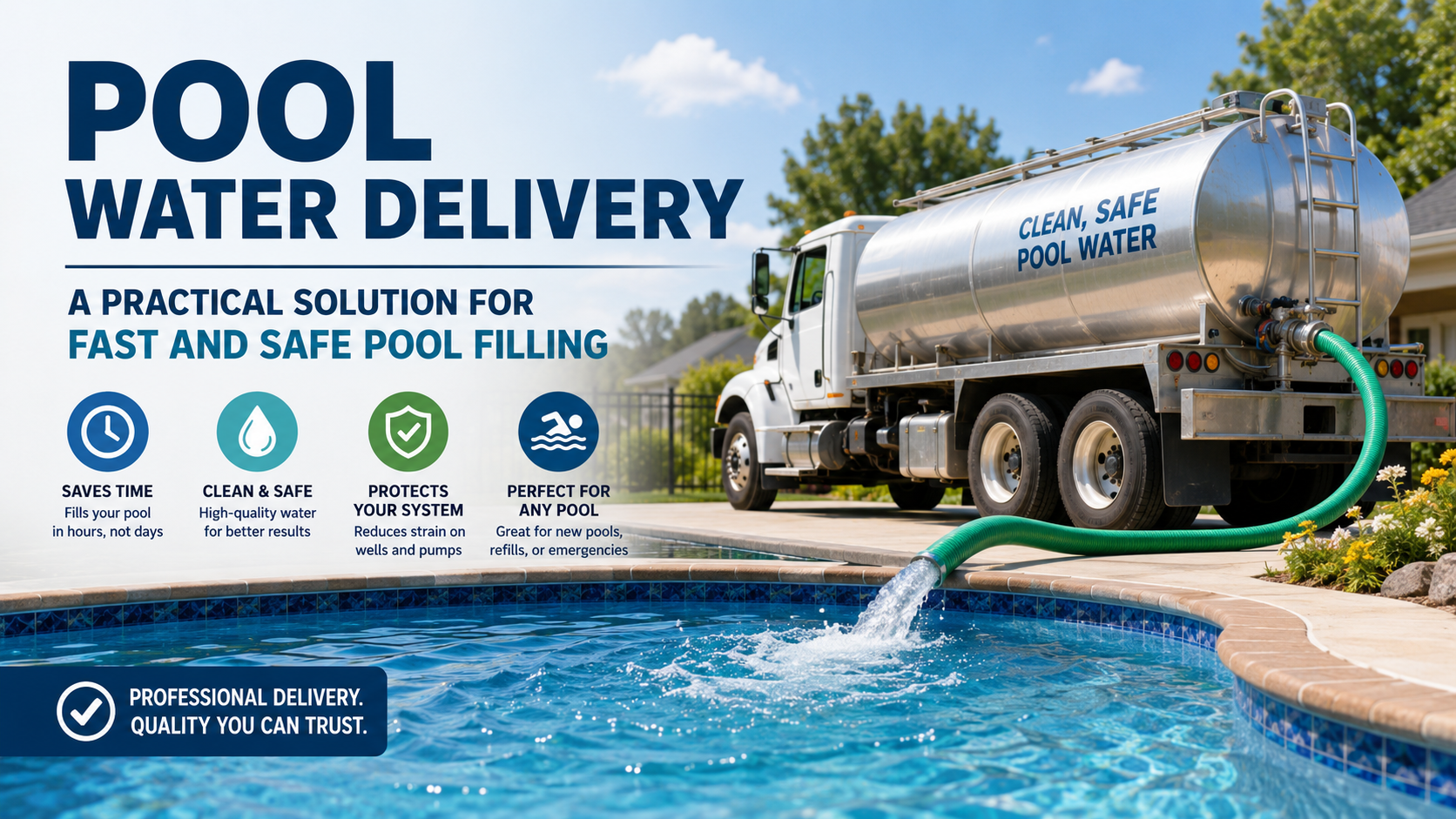
Pool Water Delivery: A Practical Solution for Fast and Safe Pool Filling

Filling a swimming pool sounds simple until homeowners realize how much water a pool actually requires. Even a modest residential pool can need thousands of gallons of water. Using a garden hose may take several days, increase utility bills, and place unnecessary stress on household well systems. That is why many homeowners now rely on professional pool water delivery near newbury ohio services when opening a new pool, replacing contaminated water, or preparing for summer.

Pool water delivery has become increasingly common for both residential and commercial properties. It offers a faster and more controlled way to fill pools while helping homeowners avoid delays, equipment strain, and water quality concerns. In areas with water restrictions or limited well capacity, delivery services can also prevent costly complications.

Whether you own an above-ground pool, an in-ground installation, or a large commercial swimming facility, understanding how pool water delivery works can help you save time, protect your equipment, and maintain better water quality from the beginning.

Understanding Pool Water Delivery

Pool water delivery is the process of transporting large volumes of clean water to a residential or commercial property using specialized tanker trucks. The water is then transferred directly into the swimming pool through food-grade hoses and pumping systems.

Most delivery companies provide treated potable water suitable for swimming pools. This helps reduce the amount of balancing chemicals needed after filling. Depending on the pool size, several truckloads may be required to complete the job.

Professional delivery services are commonly used for:

  • Newly installed swimming pools
  • Seasonal pool openings
  • Emergency water replacement
  • Well water conservation
  • Pools affected by algae or contamination
  • Large water losses from repairs or leaks

A standard garden hose typically delivers around 8 to 12 gallons per minute. Filling a 20,000-gallon pool with a hose can take more than 24 hours continuously. In contrast, a water delivery truck can complete much of the process within a few hours.

Why Many Homeowners Choose Water Delivery

Several practical benefits make water delivery an attractive option for pool owners.

Faster Pool Preparation

One of the biggest advantages is speed. Homeowners can start balancing chemicals and preparing the pool sooner. This is especially important during peak swimming season when families want immediate use of the pool.

Protecting Private Wells

Homes with private wells often struggle to keep up with the large demand of pool filling. Running a well continuously may overwork pumps or lower groundwater levels temporarily. Water delivery eliminates that risk.

Better Initial Water Quality

Professional water suppliers usually provide cleaner and more balanced water than untreated well sources. Some well systems contain high iron, sulfur, or mineral content that can stain pool liners and affect chemical balance.

Lower Utility Stress

Municipal water systems sometimes charge higher rates for excessive water usage. A sudden spike in consumption may also trigger local restrictions during drought periods. Delivery services help homeowners avoid those complications.

How the Pool Water Delivery Process Works

Understanding the process helps homeowners prepare properly before the truck arrives.

Step 1: Determine Pool Size

The first step involves calculating the pool’s water capacity. Most contractors estimate gallons based on the pool’s dimensions, shape, and depth.

For example:

  • Small above-ground pool: 5,000–10,000 gallons
  • Medium residential pool: 15,000–20,000 gallons
  • Large in-ground pool: 25,000 gallons or more

Accurate measurements help prevent underordering or overpaying.

Step 2: Schedule the Delivery

Most companies allow homeowners to choose a preferred delivery window. During spring and early summer, scheduling early is important because demand rises significantly.

The delivery company may ask questions about:

  • Property accessibility
  • Distance from driveway to pool
  • Hose length requirements
  • Water volume needed
  • Pool type

Access Considerations

Large tanker trucks need sufficient room to maneuver safely. Narrow driveways, soft ground, or overhead obstacles can create challenges. Some providers use smaller trucks when access is limited.

Step 3: Prepare the Pool Area

Before delivery day, homeowners should ensure the pool structure is fully ready. Liners, plumbing connections, filters, and fittings should already be installed.

It is also important to:

  • Remove debris from the pool
  • Keep pets and children away from hoses
  • Confirm electrical systems are protected
  • Ensure drainage areas remain clear

Step 4: Water Transfer and Monitoring

Once the truck arrives, the driver connects transfer hoses and begins pumping water into the pool. Many experienced operators monitor the process closely to avoid overflow or liner shifting.

Depending on volume and equipment, filling may take one to several hours.

Common Challenges During Pool Filling

Although water delivery simplifies the process, certain issues can still occur if homeowners are unprepared.

Incorrect Water Estimates

Underestimating pool volume often results in multiple delivery trips. This can increase costs and delay pool readiness.

Poor Property Access

Tanker trucks require stable access routes. Muddy driveways or blocked entrances may prevent delivery vehicles from reaching the property safely.

Delayed Chemical Balancing

Even clean delivery water still requires testing and balancing. Some homeowners assume delivered water is immediately swim-ready, which is rarely the case.

Water Chemistry Still Matters

After filling, pool owners should test:

  • pH levels
  • Chlorine concentration
  • Total alkalinity
  • Calcium hardness

Balanced water helps protect liners, pumps, and filtration systems.

Ignoring Local Regulations

Some municipalities have restrictions related to pool filling or water usage. Homeowners should confirm local requirements before scheduling delivery.

Expert Tips for Better Results

Experienced pool professionals recommend several strategies to make the process smoother and more cost-effective.

Schedule Early in the Season

Spring appointments often fill quickly. Booking early increases scheduling flexibility and may reduce delays during peak demand periods.

Ask About Water Quality

Not all water sources are identical. Homeowners should ask whether the supplied water is potable and whether it contains high mineral content.

Consider a Partial Fill Strategy

Some homeowners combine limited hose filling with professional delivery to reduce overall costs. This works especially well for smaller pools.

Keep Equipment Ready

The filtration system should be operational as soon as the water level reaches the skimmer. Early circulation improves chemical distribution and helps maintain clarity.

Monitor the Pool During Filling

Even professional services benefit from homeowner supervision. Watching the water level helps prevent accidental overfilling and identifies liner issues early.

Use Delivery for Emergency Situations

Pool water delivery is not only for new installations. It also helps after:

  • Storm contamination
  • Major algae outbreaks
  • Structural repairs
  • Water loss from leaks

Fast refilling minimizes downtime and prevents surface damage caused by prolonged exposure.

Choosing the Right Pool Water Delivery Service

Not every provider offers the same level of service or water quality. Homeowners should evaluate several factors before making a decision.

Important considerations include:

  • Experience with pool filling
  • Clean transport equipment
  • Reliable scheduling
  • Transparent pricing
  • Potable water availability
  • Insurance and licensing

Reading local customer feedback also helps identify dependable companies with strong service records.

Conclusion

Pool water delivery offers a fast, efficient, and practical solution for homeowners who need large amounts of clean water without the hassle of extended hose filling. It protects private wells, reduces delays, and helps maintain better water quality from the beginning of the swimming season.

By understanding the delivery process, preparing the property correctly, and working with experienced professionals, homeowners can avoid common problems and enjoy a smoother pool setup experience. Whether filling a new installation or replacing water after repairs, professional delivery services provide a reliable option that saves both time and effort.

Demystifying the Deed: How Mi Casa Housing Combats Predatory Lending Through Bilingual Education

Buying a home is one of the biggest financial decisions a family can make. Yet many first-time buyers enter the process without fully understanding mortgage terms, property taxes, closing costs, or lending requirements. For immigrant and bilingual communities, language barriers can make the situation even more difficult. Confusing paperwork and fast-talking lenders often create opportunities for predatory practices that leave families trapped in unaffordable loans.

Organizations like mi casa housing play an important role in helping families understand the homebuying process through bilingual education and housing counseling. Instead of relying on technical jargon, these programs explain complex lending concepts in practical, culturally relevant ways that empower buyers to make informed decisions.

Predatory lending continues to affect vulnerable communities across the United States. While regulations have improved over the years, misleading loan structures, hidden fees, inflated interest rates, and deceptive refinancing offers still exist. Education remains one of the strongest defenses against these practices. When buyers understand how mortgages work, they are less likely to fall victim to financial manipulation.

Understanding Predatory Lending in Modern Housing

Predatory lending refers to unfair or deceptive loan practices designed to benefit lenders at the borrower’s expense. These practices often target individuals with limited financial knowledge, low credit scores, or language barriers.

Some common examples include:

  • Excessively high interest rates
  • Hidden loan fees
  • Balloon payments
  • Adjustable-rate mortgages with misleading terms
  • Pressure to sign incomplete documents
  • Loan flipping through repeated refinancing

Predatory lenders frequently focus on communities where financial literacy resources are limited. In many Hispanic and immigrant neighborhoods, buyers may rely heavily on verbal explanations because legal and financial documents are difficult to interpret in English.

This creates a dangerous imbalance. Borrowers may trust a lender’s spoken promises without fully understanding what the written contract actually contains.

Bilingual housing education helps close that gap.

Why Bilingual Housing Education Matters

Housing education programs do more than explain mortgage terminology. They help families build confidence during a stressful process that often feels intimidating and unfamiliar.

Bilingual counseling provides several critical advantages:

Improved Financial Understanding

When buyers learn in their preferred language, they absorb information more effectively. Concepts like escrow accounts, fixed versus adjustable rates, and debt-to-income ratios become easier to understand.

Instead of memorizing terms, participants learn how these concepts affect their monthly budgets and long-term financial health.

Stronger Consumer Protection

Predatory lenders often depend on confusion. Educated borrowers are more likely to ask questions, compare loan offers, and recognize suspicious terms.

For example, a buyer who understands annual percentage rate calculations can identify when a loan’s advertised low payment hides costly long-term interest.

Greater Confidence During Negotiations

Many first-time buyers feel pressured to sign documents quickly. Housing counselors teach clients how to slow the process down, review paperwork carefully, and request clarification before agreeing to anything.

This confidence can prevent costly mistakes that impact families for decades.

How Housing Counseling Programs Help Families

Effective housing counseling combines education with practical guidance. Rather than overwhelming participants with theory, counselors walk families through real-world situations they are likely to encounter.

Here is how the process typically works.

Step-by-Step Support for Homebuyers

Assessing Financial Readiness

Before applying for a mortgage, counselors help families evaluate their financial situation.

This may include:

  • Reviewing income stability
  • Checking credit reports
  • Identifying debt issues
  • Creating realistic savings goals
  • Estimating affordable monthly payments

Many buyers assume mortgage approval means affordability. Counselors explain that lenders and financial sustainability are not always aligned.

A family may technically qualify for a large loan while still struggling with future maintenance costs, taxes, and emergencies.

Explaining Mortgage Options

Housing counselors break down the differences between loan products in plain language.

Borrowers learn about:

  • Fixed-rate mortgages
  • Adjustable-rate mortgages
  • FHA loans
  • VA loans
  • Down payment assistance programs
  • Closing costs and lender fees

This education helps buyers compare offers objectively rather than focusing only on monthly payment amounts.

Reviewing Loan Documents

One of the most valuable services involves reviewing paperwork before signing.

Counselors may help clients identify:

  • Prepayment penalties
  • Unexpected fees
  • Risky refinancing clauses
  • Adjustable-rate triggers
  • Inconsistent verbal promises

For bilingual families, reviewing documents in both English and Spanish significantly reduces misunderstandings.

Teaching Long-Term Homeownership Skills

Responsible homeownership extends beyond securing a mortgage.

Educational programs often cover:

  • Budgeting for maintenance
  • Emergency savings planning
  • Property tax responsibilities
  • Insurance requirements
  • Foreclosure prevention strategies

These lessons improve long-term housing stability and reduce financial stress after purchase.

Real-World Impact of Financial Education

The benefits of bilingual housing education become especially clear during periods of economic uncertainty.

During housing market booms, buyers often feel pressure to act quickly. Competitive bidding environments can encourage rushed decisions. Families without proper guidance may overlook warning signs simply because they fear losing an opportunity.

Consider a first-time buyer presented with an adjustable-rate mortgage featuring low introductory payments. Without education, the borrower may focus solely on immediate affordability. However, a housing counselor can explain how future rate increases could dramatically raise monthly costs.

That knowledge allows buyers to make decisions based on long-term stability instead of short-term pressure.

Housing counseling also helps prevent foreclosure. Families facing financial hardship often avoid communicating with lenders because they feel embarrassed or overwhelmed. Counselors teach homeowners how to negotiate payment plans, request loan modifications, and seek assistance before problems become unmanageable.

Common Challenges Homebuyers Face

Even well-prepared buyers encounter obstacles during the homebuying process.

Language Barriers

Complex legal terminology remains one of the biggest challenges for bilingual households. Even individuals who speak conversational English may struggle with mortgage contracts filled with technical language.

Professional translation and culturally aware counseling help eliminate confusion.

Misinformation From Informal Sources

Many families rely on advice from friends or relatives who may have outdated or inaccurate information about mortgages and credit.

Housing education programs replace myths with accurate, up-to-date guidance.

Fear of Asking Questions

Some buyers hesitate to question lenders because they fear appearing uninformed.

Experienced counselors encourage active participation and remind clients that asking questions is part of responsible financial decision-making.

Pressure From Aggressive Sales Tactics

Predatory lenders often create artificial urgency. Buyers may hear statements like “this offer expires today” or “you must sign immediately.”

Education teaches consumers how to recognize and resist high-pressure tactics.

Expert Recommendations for Safe Homebuying

Financial literacy experts consistently recommend several best practices for avoiding predatory lending.

Compare Multiple Loan Offers

Never accept the first mortgage offer without comparison. Reviewing multiple lenders helps borrowers identify unreasonable fees or inflated rates.

Review Every Document Carefully

Even trustworthy lenders make mistakes. Buyers should review all disclosures, payment schedules, and loan terms before signing.

Focus on Total Loan Cost

A low monthly payment may hide expensive long-term costs. Borrowers should evaluate total repayment amounts over the life of the loan.

Build Emergency Savings

Unexpected repairs and financial emergencies are common parts of homeownership. Maintaining a savings cushion reduces the risk of missed payments.

Seek Professional Counseling Early

Housing education is most effective before problems arise. Early counseling allows buyers to prepare strategically rather than reacting under pressure.

Conclusion

Predatory lending thrives when borrowers lack information, confidence, or language access. Bilingual housing education helps level the playing field by giving families the knowledge needed to navigate complex financial decisions safely.

Organizations focused on culturally responsive housing counseling provide more than technical education. They create trust, improve financial literacy, and empower communities to pursue sustainable homeownership with confidence.

For many families, understanding the fine print behind a mortgage can mean the difference between long-term stability and years of financial hardship. Clear communication, practical guidance, and accessible education remain essential tools in protecting homebuyers from predatory lending practices.

nagatop slot

nagatop

slot qris

nagatop

slot deposit

mahjong88

Shopping cart0
There are no products in the cart!
Continue shopping
0