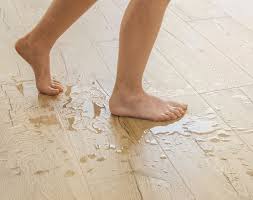

Why Engineered Hardwood Flooring Is Perfect for Modern Homes

When homeowners think about upgrading their floors, the conversation often circles back to one option that consistently stands out: engineered hardwood flooring. It delivers the warmth and character of real wood while offering practical advantages that suit the demands of today’s living spaces. Whether you are renovating a living room, redesigning a kitchen area, or updating a home office, this flooring type offers a combination of aesthetics, performance, and longevity that is difficult to match.

Modern homes are designed around clean lines, open layouts, and materials that can handle daily life without constant upkeep. Engineered hardwood fits naturally into that vision. Unlike solid hardwood, which is milled from a single piece of timber and can be sensitive to shifts in temperature and humidity, engineered hardwood is built with a layered core structure that gives it greater dimensional stability. This means it can be installed in areas where solid wood would typically struggle, including spaces over radiant heat systems or in regions with fluctuating seasonal humidity.

In this blog, we will explore what makes engineered hardwood the smart choice for modern homes, how it compares to other popular options, and what factors you should consider before making your decision.

What Is Engineered Hardwood Flooring and How Is It Built?

Understanding the construction of engineered hardwood helps explain why it performs so well in a wide range of home environments. The product is composed of multiple layers bonded together under heat and pressure. The top layer, known as the wear layer or veneer, is made from real hardwood. This is the surface you see and walk on. Below it sits a core made from high-density fiberboard, plywood, or a combination of both, depending on the manufacturer.

This layered construction is not a shortcut or a compromise. It is a deliberate engineering solution that improves how the floor responds to changes in moisture and temperature. Each layer is oriented in a different direction, which distributes stress across the plank and prevents the warping and cupping that can affect solid wood over time.

The thickness of the wear layer matters significantly. A thicker veneer allows the floor to be sanded and refinished one or more times during its lifespan, which extends its value considerably. Most quality engineered products carry wear layers between 2mm and 6mm. The thicker the veneer, the more refinishing potential the floor has, and the closer it comes to the durability and longevity of solid hardwood.

Why Modern Homes Benefit from Engineered Hardwood

Stability in Open Concept Layouts

Open floor plans are a defining feature of modern home design. Large connected spaces mean flooring runs across longer distances and through areas with varying light exposure and air circulation. Engineered hardwood is exceptionally well-suited to this layout because its cross-ply construction resists the natural tendency of wood to expand and contract across the grain. You get a continuous, consistent floor surface that maintains its shape from one season to the next.

Compatibility with Radiant Heating

Many modern homes include underfloor radiant heating systems for energy efficiency and comfort. Solid hardwood generally does not perform well over radiant heat because the sustained warmth draws moisture out of the wood and can cause it to crack or develop gaps. Engineered hardwood is a much better candidate for these installations. Its stable core tolerates the mild heat cycles without compromising the integrity of the floor. Always confirm the specific product’s compatibility with radiant heat before installation, as recommendations vary by manufacturer.

Wider Planks and a Contemporary Look

One of the defining trends in modern interior design is wide-plank flooring. Wider planks make rooms feel more spacious, reduce the number of seams visible in the floor, and create a more relaxed, natural appearance. Engineered hardwood is available in wider widths than most solid hardwood products because its engineered core provides the structural reinforcement needed to keep wider planks stable. Widths of seven to nine inches and beyond are common in quality engineered hardwood collections, making it easier to achieve that spacious, contemporary aesthetic.

Suitability for Multiple Levels of the Home

Engineered hardwood can be installed on any level of the home, including below grade in basements, as long as the subfloor is properly prepared and moisture levels are within acceptable ranges. This versatility is a practical advantage for homeowners who want a unified flooring look throughout the entire home, from the main floor down to a finished basement.

European Oak Flooring: A Timeless Choice for Modern Interiors

Among the many species available in engineered hardwood, european oak flooring holds a special place in modern design. European oak is harvested from forests in France, Germany, and other parts of continental Europe. The slower growth rate of trees in this region produces tighter grain patterns and a more refined appearance compared to domestic oak varieties.

European oak carries a characteristic warmth and depth that works equally well in minimalist interiors and richly appointed spaces. Its natural color range moves from pale honey tones through warm amber to deeper russet shades depending on the finish applied. Wire-brushed and matte finishes, which are popular in contemporary design, work particularly well on this species because the open grain accepts texture and stain beautifully.

From a practical standpoint, european oak flooring is prized for its hardness and stability. It scores well on the Janka hardness scale, which measures a wood species’ resistance to denting and wear. This makes it a good choice for busy households with children or pets. The species also responds well to various finishing techniques, so homeowners can choose a look that ranges from a clean, natural appearance to something more aged or distressed.

Many of the engineered hardwood brands available at Flooring Outlet and More feature European oak as a core species in their collections, which reflects both its aesthetic appeal and its technical performance.

How Does Engineered Hardwood Compare to Laminate?

This is a question that comes up frequently, and it is worth addressing clearly. Both options offer a wood-look floor, but they are made differently and serve somewhat different purposes.

Laminate flooring is constructed entirely from synthetic materials. The visual layer is a high-resolution photograph of wood printed on paper and sealed beneath a clear protective layer. The core is made from dense fiberboard. Laminate cannot be sanded or refinished; once the surface wears down, the floor needs to be replaced. It tends to cost less upfront and is highly resistant to surface scratches.

Engineered hardwood, by contrast, uses real wood for the surface layer. This gives it a depth and warmth that even the best laminate products cannot fully replicate, because the variation in grain, texture, and color is genuine rather than printed. Engineered hardwood can also be refinished depending on the thickness of the wear layer, which adds years to its useful life.

If you are exploring your options and are considering both, visiting a laminate flooring outlet that also carries engineered hardwood side by side allows you to see and feel the difference firsthand. Many customers who initially lean toward laminate for budget reasons find that mid-range engineered hardwood options are surprisingly competitive in price, especially when the longer lifespan and refinishing potential are factored into the overall cost.

That said, laminate remains a practical and attractive choice for certain situations. If maximum moisture resistance is a priority, particularly in areas prone to standing water, or if the budget is the primary constraint, quality laminate products deliver strong performance. The key is making an informed comparison rather than choosing one based on assumptions alone.

Installation Methods for Engineered Hardwood

One of the advantages of engineered hardwood is its flexibility in installation. There are three primary methods:

Floating Installation: The planks are clicked or glued together at their edges but are not attached to the subfloor. This method works well over concrete subfloors and existing floors, and it accommodates minor subfloor imperfections more easily. It is also the most DIY-friendly option.

Glue-Down Installation: The planks are adhered directly to the subfloor using a flooring adhesive. This method produces a very solid, quiet floor and is commonly used in commercial settings or for wide-plank installations where added stability is desired. It requires careful preparation of the subfloor and is generally recommended for professional installation.

Nail or Staple Down: Similar to solid hardwood installation, this method fastens the planks to a wood subfloor using nails or staples driven through the tongue of each plank. It produces a firm, traditional result and is a common choice for main-level installations over plywood subfloors.

Before selecting an installation method, it is important to check the manufacturer’s guidelines for the specific product you have chosen, as some engineered hardwood products are only approved for certain installation types. If you are unsure, the team at Flooring Outlet and More can help guide your decision based on your subfloor conditions and room requirements.

Acclimation: An Important Step Before Installation

Engineered hardwood, like any wood product, needs time to adjust to the temperature and humidity conditions of your home before installation. This process is called acclimation, and skipping it is one of the most common mistakes homeowners make. When flooring is brought in from a warehouse or storage facility, it may carry moisture levels that differ from those of your home environment. Installing before acclimation can lead to planks that expand or contract after installation, resulting in gaps or buckling.

The acclimation period varies depending on the product and your home’s conditions, but most manufacturers recommend a minimum of 48 to 72 hours with the flooring stored in the room where it will be installed. Keeping the boxes open and maintaining normal heating or cooling during this period helps the wood reach equilibrium with its surroundings. You can read more about proper acclimation steps in our guide on how to acclimate solid hardwood flooring, many of the same principles apply to engineered products as well.

Caring for Engineered Hardwood in a Modern Home

One of the practical appeals of engineered hardwood is that it does not require complicated maintenance. Regular care is straightforward and keeps the floor looking its best for years.

Daily sweeping or vacuuming with a soft-bristle attachment removes abrasive particles that can dull the finish over time. Doormats at entry points significantly reduce the amount of grit tracked onto the floor. For routine cleaning, a lightly dampened microfiber mop is effective. Avoid using excessive water, steam mops, or harsh chemical cleaners, as these can damage the finish or penetrate the wood veneer.

Felt pads placed under furniture legs prevent scratching. In rooms with significant sunlight exposure, area rugs or UV-filtering window treatments can help minimize fading. If the floor develops surface scratches over time, a quality hardwood floor refresher can restore the sheen between refinishing cycles.

For a complete maintenance routine tailored to wood floors, our blog on how to care for your solid hardwood floors covers best practices that translate well to engineered products. Additionally, understanding how to protect your floors from scratches, spills, and damage is a useful read for any wood floor owner.

What to Look for When Choosing Engineered Hardwood

With so many products on the market, narrowing down your choice can feel overwhelming. Here are the key factors to focus on:

Wear Layer Thickness: For a long-lasting floor that can be refinished, look for a wear layer of at least 3mm. Products with thinner veneers are more budget-friendly but offer less longevity.

Core Quality: A high-quality plywood core provides better stability and moisture resistance than a fiberboard core. Check the manufacturer’s specifications before purchasing.

Finish Type: Pre-finished engineered hardwood comes with the finish already applied at the factory under controlled conditions. This is generally more durable than site-finished floors. Oil-based finishes penetrate the wood and create a natural look, while polyurethane finishes sit on top and offer a harder protective layer.

Species and Grade: The wood species determines the color range, grain pattern, and hardness of the floor. The grade refers to the amount of natural variation in the planks, from clear and uniform to character grade with more knots and mineral streaks. Modern aesthetics often favor character grade for its natural, lived-in look.

Width and Length: Wider and longer planks create a more contemporary appearance but require a flatter subfloor for proper installation. Standard widths range from three to five inches, while wide-plank options start at five inches and can reach twelve inches or more.

If you want help choosing the right product for your specific space, our blog on how to select engineered hardwood flooring that fits your home is a practical starting point.

Engineered Hardwood and the Value of Your Home

Beyond daily comfort and aesthetics, flooring choices have a measurable impact on the resale value of a home. Real wood floors, including engineered hardwood flooring, are consistently cited by real estate professionals as a feature that appeals to buyers and can contribute to higher offers. The genuine wood surface reads as quality to prospective buyers in a way that synthetic alternatives do not.

This is one of the reasons homeowners who are planning to sell within the next several years often choose engineered hardwood even when the upfront cost is higher than laminate or vinyl. The investment tends to hold its value well, particularly when the floor is properly maintained and the product itself is from a reputable brand with verifiable wear layer specifications.

Conclusion: Engineered Hardwood Is Built for the Way We Live Today

From its stable construction and wide-plank availability to its compatibility with radiant heat and its genuine wood character, engineered hardwood flooring is well-matched to the demands of modern home design. It combines the authenticity of real wood with the practical engineering needed to perform reliably across different environments and installation scenarios.

Whether you are drawn to the refined grain of european oak flooring, looking for a product that works across multiple levels of your home, or comparing engineered options alongside what a local laminate flooring outlet carries, taking the time to understand each option will help you make a confident and well-informed decision.

Why Choose Flooring Outlet and More for Your Engineered Hardwood Needs

At Flooring Outlet and More, we carry a wide selection of engineered hardwood flooring from trusted brands including options in European oak, hickory, maple, and other species. Our team is available to help you compare products, understand installation requirements, and find the right flooring for your home and budget.

We also offer professional installation services so that your new floors are laid correctly from the start. Visit us today to browse our collection, see samples in person, and get expert guidance on every step of your flooring project.


Frequently Asked Questions

Q: How long does engineered hardwood flooring typically last? A: With proper care and a quality wear layer of 3mm or more, engineered hardwood can last 25 to 30 years. Thicker veneers allow for one or two rounds of refinishing, which significantly extends the floor’s lifespan.

Q: Can engineered hardwood be installed directly over concrete? A: Yes, engineered hardwood can be installed over concrete using the glue-down or floating method. The subfloor must be level, clean, and within acceptable moisture levels before installation begins to avoid future warping or adhesion problems.

Q: What is the difference between engineered hardwood and solid hardwood? A: Solid hardwood is milled from a single piece of wood. Engineered hardwood has a real wood veneer on top bonded to a layered core. The engineered version handles humidity changes better and can be installed in more locations. You can read a full comparison in our engineered hardwood vs solid hardwood guide.

Q: Is european oak flooring a good choice for high-traffic areas? A: Yes. European oak ranks well on the Janka hardness scale and holds up well in busy areas of the home. Pairing it with a durable factory-applied finish adds further protection against everyday wear and surface scratching.

Q: How does engineered hardwood compare to laminate for a modern home? A: Engineered hardwood offers a genuine wood surface that can be refinished and adds resale value, while laminate uses a printed surface layer and cannot be refinished. Laminate typically costs less upfront. Both are strong choices depending on your budget, lifestyle, and location within the home.
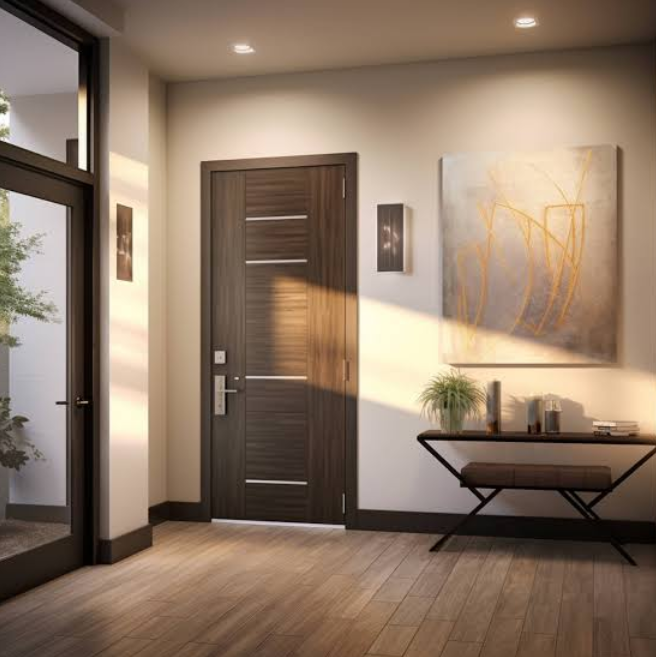
Why Modern Shaker Interior Doors Help Reduce Noise

Noise control has become an important consideration in both residential and commercial spaces. Open floor plans, home offices, media rooms, and shared living environments often create situations where sound travels easily from one area to another. As a result, property owners increasingly look for practical ways to improve privacy and comfort without making major structural changes.

One effective solution is choosing the right interior door. While many people focus on wall insulation or flooring materials, doors also play a significant role in controlling sound transmission. Among the many options available today, modern shaker interior doors have become a popular choice because they combine a clean design with strong performance.

When constructed with solid cores and installed correctly, these doors can help reduce unwanted noise while maintaining an attractive appearance. Their simple design fits modern interiors while their sturdy construction supports better acoustic performance than many lightweight alternatives.

This article explores how shaker doors contribute to noise reduction, what factors affect sound control, and why they are often selected for both homes and commercial environments.

Understanding How Sound Travels Through Interior Spaces

Before selecting a door, it is important to understand how sound moves between rooms.

Sound travels through air and solid materials. Any opening, gap, or lightweight surface allows sound waves to pass more easily. Even a well-insulated room may experience noise problems if the door does not provide adequate resistance.

Common sources of sound transmission include:

Room-to-room conversations

Television and entertainment systems

Office meetings

Household appliances

Foot traffic

Children and pets

Exterior noise entering through connected spaces

Because doors occupy a large opening within a wall system, they can significantly affect overall sound performance.

Many homeowners discover that replacing a lightweight hollow door with a heavier alternative can immediately improve privacy and reduce distractions.

Why Door Construction Matters for Noise Reduction

The internal construction of a door has a major impact on its ability to block sound.

Lightweight hollow-core doors contain empty spaces inside their structure. While these doors are affordable and easy to install, they provide limited resistance to sound waves.

Denser doors absorb and slow sound more effectively. This is why many property owners searching for a reliable door for soundproofing often focus on products with heavier core materials.

The amount of mass inside a door directly influences its sound reduction capabilities. Greater density generally results in better acoustic performance.

This principle is commonly used throughout building design, where heavier materials are often selected for walls, ceilings, and partitions that require improved sound control.

The Relationship Between Shaker Doors and Sound Control

Shaker doors are known primarily for their clean and timeless appearance.

Their simple frame-and-panel design works well with contemporary, transitional, and traditional interiors. However, aesthetics are only one part of their appeal.

When built with quality materials and dense core construction, shaker doors can also contribute to a quieter indoor environment.

Unlike decorative doors that may include glass inserts or lightweight panels, solid shaker designs create a more substantial barrier between spaces.

This makes them suitable for areas where privacy and reduced noise transmission are priorities.

Homeowners often choose shaker doors for bedrooms, offices, nurseries, and media rooms because they offer a balance of appearance and functionality.

Why Solid Core Construction Makes a Difference

The core material inside a door is one of the most important factors influencing acoustic performance.

Many sound-conscious property owners prefer solid core doors because of their dense internal composition. These doors are typically manufactured using engineered wood products or composite materials that add weight and stability.

The increased mass helps absorb sound energy rather than allowing it to pass easily from one room to another.

This is one reason why many acoustic specialists recommend solid-core products for spaces requiring improved privacy.

For a more detailed explanation of this topic, readers can explore the article on solid core flush doors and soundproofing performance.

The benefits extend beyond sound reduction. Dense construction also improves durability, reduces vibration, and helps doors maintain their shape over time.

Comparing Hollow and Solid Core Options

One of the most common questions homeowners ask involves the difference between hollow and solid-core doors.

Although hollow-core doors may look similar from the outside, their internal structure is very different.

Hollow-core models contain lightweight materials that make them easier to transport and install. However, this reduced mass allows sound waves to travel more freely.

Solid-core products provide greater resistance to sound because of their dense composition.

The result is improved privacy in bedrooms, home offices, meeting rooms, and study areas.

This difference becomes especially noticeable in households where multiple activities occur simultaneously throughout the day.

How Door Weight Affects Acoustic Performance

Weight and density play important roles in sound control.

A heavier door naturally resists vibration more effectively than a lightweight alternative. Since sound travels through vibration, reducing movement helps limit transmission.

Many premium shaker doors incorporate materials that increase overall mass without sacrificing visual appeal.

The added weight creates a stronger barrier that contributes to quieter interior spaces.

Although weight alone does not determine acoustic performance, it remains one of the most important factors when evaluating door options.

The Importance of Proper Installation

Even the highest-quality door cannot perform effectively if installed incorrectly.

Small gaps around the perimeter can allow significant amounts of sound to pass through. Poor alignment may also affect the seal between the door and frame.

Homeowners interested in maximizing sound reduction should pay close attention to installation quality.

Proper measurements, accurate frame alignment, and smooth operation all contribute to better performance.

Helpful guidance can be found in the article about hanging an interior door correctly.

A properly installed door creates a tighter fit and reduces opportunities for sound leakage.

Why Seals and Weatherstripping Matter

Sound often travels through the smallest openings.

Even a dense door may lose effectiveness if air gaps remain around the frame. This is why seals and weatherstripping are important components of sound-control systems.

Perimeter seals help close gaps between the door and frame.

Door sweeps reduce sound transmission beneath the door.

Threshold systems improve the connection between the door and floor.

Together, these elements can noticeably improve acoustic performance.

Many people focus exclusively on door materials while overlooking the importance of sealing. In reality, both factors work together to create effective noise reduction.

Best Rooms for Sound-Reducing Shaker Doors

Certain spaces benefit more from enhanced sound control than others.

Home offices have become increasingly important as remote work continues to grow. A quieter environment helps improve concentration and productivity.

Bedrooms also benefit from reduced noise transfer. Family members can maintain different schedules without disturbing one another.

Nurseries often require greater privacy and noise management.

Media rooms benefit from better containment of television and entertainment sounds.

Music practice spaces can experience reduced sound transmission when dense doors are used alongside other acoustic improvements.

Commercial offices frequently install shaker doors to create quieter meeting rooms and private workspaces.

Commercial Applications for Shaker Doors

Although many people associate shaker doors with residential properties, they are also widely used in commercial settings.

Office buildings often require a balance between professional design and practical functionality.

The clean appearance of shaker doors complements modern workplaces while supporting privacy needs.

Retail facilities may use these doors in administrative areas where conversations should remain separate from customer spaces.

Healthcare offices often value doors that contribute to comfort and confidentiality.

Educational environments can also benefit from improved acoustic separation between classrooms and meeting areas.

For additional insights, readers may review the article discussing interior doors for commercial retail spaces.

Design Advantages Beyond Noise Control

Sound reduction is only one reason homeowners select shaker doors.

Their simple design allows them to work well with a wide range of interior styles.

Clean lines create a modern appearance without appearing overly trendy.

They can be painted in various colors to complement changing décor preferences.

Many homeowners appreciate their ability to adapt to future renovations and design updates.

For inspiration, readers can explore modern interior door styles that match your décor.

This flexibility helps ensure long-term satisfaction with the investment.

Durability Supports Long-Term Performance

Durability plays an important role in maintaining acoustic performance over time.

Doors that warp, crack, or loosen within their frames may develop gaps that allow sound leakage.

High-quality shaker doors built with dense cores typically offer better stability than lightweight alternatives.

Their stronger construction helps maintain alignment during years of daily use.

Homeowners interested in long-term door care can learn more through the guide on maintaining interior doors for durability.

Consistent maintenance helps preserve both appearance and functionality.

Selecting the Right Door Thickness

Door thickness can influence sound performance.

Thicker doors generally contain more material and provide greater mass.

Many standard interior doors measure approximately 1⅜ inches thick. Some sound-conscious applications use thicker options to improve acoustic resistance.

The ideal thickness depends on the specific space, privacy requirements, and overall project goals.

Property owners should evaluate door construction as a complete system rather than focusing on thickness alone.

Pairing Doors with Other Sound Control Strategies

Doors represent one part of a comprehensive sound management approach.

Additional measures may further improve privacy and comfort.

Wall insulation can reduce transmission through adjoining partitions.

Area rugs and soft furnishings help absorb sound reflections.

Acoustic panels may improve room acoustics.

Proper flooring selection can reduce impact noise.

When these elements work together, overall acoustic performance improves significantly.

The combination of quality doors and complementary materials often delivers the best results.

Common Mistakes When Choosing a Sound-Reducing Door

Many buyers focus only on appearance when selecting interior doors.

While design is important, performance characteristics deserve equal attention.

Choosing a lightweight door for a noise-sensitive room may lead to disappointment.

Ignoring installation quality can reduce effectiveness.

Failing to address perimeter gaps allows sound leakage.

Selecting unsuitable hardware may affect operation and sealing.

Understanding these factors helps ensure better results and long-term satisfaction.

Why Modern Shaker Doors Remain a Popular Choice

The popularity of shaker doors continues because they successfully balance appearance, versatility, and performance.

Their simple design works in many architectural styles.

Dense core construction supports privacy and comfort.

Strong materials provide durability.

Customization options allow property owners to match existing interiors.

Whether used in homes or commercial environments, shaker doors offer practical advantages that extend beyond aesthetics.

As noise management becomes increasingly important in modern buildings, well-constructed shaker doors continue to serve as an effective solution.

Conclusion

Reducing unwanted noise often starts with selecting the right interior door. While many building components influence acoustic performance, doors remain one of the most important factors because they occupy large openings between rooms.

When built with dense core materials and installed correctly, modern shaker interior doors can help improve privacy, reduce distractions, and create more comfortable indoor environments. Their clean design makes them suitable for a wide range of architectural styles while their durable construction supports long-term performance.

For homeowners and commercial property owners seeking a reliable door for soundproofing, shaker doors with solid-core construction provide a practical balance of appearance and functionality. Combined with proper installation and effective sealing, they can contribute significantly to a quieter and more enjoyable space.

FAQs

Q: Are shaker doors good for reducing noise?

A: Yes. Shaker doors built with dense core materials can help reduce sound transmission between rooms. Their effectiveness increases when combined with quality installation and proper sealing around the frame.

Q: Why are solid core doors better for sound control?

A: Solid core doors contain dense materials that absorb and resist sound more effectively than hollow-core alternatives. Their added weight and mass help improve privacy in both residential and commercial spaces.

Q: Can a door completely soundproof a room?

A: No door can completely eliminate all sound transmission on its own. However, a well-constructed solid-core door combined with seals and proper installation can significantly reduce unwanted noise.

Q: Are shaker doors suitable for commercial buildings?

A: Yes. Many offices, retail facilities, healthcare spaces, and educational environments use shaker doors because they provide a professional appearance while supporting privacy and sound control needs.

Q: What is the most important factor in choosing a sound-reducing door?

A: The door’s core construction is one of the most important factors. Dense materials combined with proper installation and effective sealing generally produce the best sound reduction results.

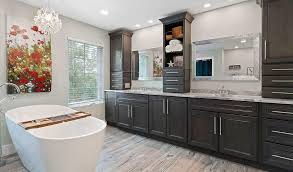
How Kitchen and Bath Remodelers Transform Your Home

Kitchen and bath remodelers do far more than update the appearance of two rooms. They evaluate how you live in your home and redesign the spaces that affect your daily routine most. Whether you are cooking meals for a family or getting ready for work in the morning, the condition and layout of your kitchen and bathroom directly influence how efficient and comfortable those moments feel. A well-planned remodel addresses both function and appearance at the same time, making your home more practical and more enjoyable to live in.

If you have been thinking about a renovation but are not sure where to start or what the process looks like, this guide will walk you through each stage in detail. You will also learn how specific choices, including cabinet selection, bathroom vanities, and storage cabinet design, play a central role in the success of any remodel.

Why the Kitchen and Bathroom Deserve Priority

When homeowners decide to invest in a renovation, the kitchen and bathroom are consistently the two spaces that offer the greatest return. These rooms are used multiple times each day, and their condition affects everything from your morning routine to how guests experience your home.

An outdated kitchen with poor storage and worn surfaces creates friction every time you try to cook or clean. A cramped bathroom without a well-designed vanity or organized storage makes daily grooming feel rushed and cluttered. These are not just aesthetic problems. They are functional problems that a skilled remodeling team can solve through intentional design decisions.

Beyond daily comfort, remodeling these rooms also adds measurable value to a property. Updated cabinetry, new countertops, and modern fixtures are among the features that buyers consistently look for when evaluating homes. A clean, well-organized kitchen and a thoughtfully designed bathroom communicate that a home has been well maintained and cared for.

What Kitchen and Bath Remodelers Actually Do

Many homeowners assume that kitchen and bath remodelers simply replace surfaces and install new fixtures. In reality, experienced remodelers take a much more comprehensive approach. The work begins before anything is removed or installed, with a thorough assessment of the existing space and a conversation about your goals.

Initial Consultation and Space Evaluation

The first step in any professional remodel is a consultation. During this phase, the remodeling team visits your home to assess the current layout, measure the space and discuss what is working and what is not. This conversation covers your priorities, your budget and your timeline.

A good remodeling team asks questions about how you use your kitchen and bathroom. Do you cook frequently and need more counter space? Do you have a large household that requires additional storage? Do you want the bathroom to feel more spacious without a full structural change? The answers to these questions shape every design decision that follows.

At FMD Cabinets, this process includes a free consultation where clients can talk through their ideas and get expert input on layout, materials and cabinet options before committing to a direction. If you are in the early stages of planning, scheduling a consultation is a smart first step.

Design and Layout Planning

Once goals are established, the design phase begins. This is where kitchen and bath remodelers translate your ideas into a concrete plan. For kitchens, this means defining the layout, identifying where cabinets will go, determining countertop placement and planning for appliance integration. For bathrooms, it means deciding on vanity placement, shower or tub configuration and how to organize the available space efficiently.

Good design at this stage prevents problems during installation. When measurements are accurate and the layout is well thought out, the installation phase moves faster and the results are more precise. Skipping or rushing the design phase is one of the most common reasons remodels go over budget or produce unsatisfying results.

For kitchens, the layout often follows one of several standard configurations including galley, L-shaped, U-shaped or open concept. Each layout has advantages depending on the size of the space and how many people use the kitchen at once. A remodeling team with strong design experience can help you identify which layout will work best for your specific situation.

The Role of Cabinetry in a Kitchen Remodel

Cabinetry is the foundation of any kitchen remodel. Cabinets occupy more visual and physical space than any other element in the room, and their quality determines how functional the kitchen will be for years to come. Kitchen and bath remodelers spend a significant portion of the planning process on cabinet selection because the choices made here affect storage capacity, workflow and the overall look of the finished space.

Choosing Between Pre-Assembled and RTA Cabinets

One of the first decisions homeowners face is whether to choose pre-assembled cabinets or ready-to-assemble (RTA) options. Pre-assembled cabinets arrive fully built and ready for installation. They tend to offer more consistent construction quality and reduce the chance of assembly errors. RTA cabinets require on-site assembly but can offer more flexibility at a lower price point.

For homeowners who want a fast and precise installation, pre-assembled kitchen cabinets are often the better choice. They are professionally constructed and designed to fit standard kitchen dimensions without adjustment. If you are working within a specific timeline or prefer a more hands-off process, pre-assembled cabinets reduce the number of variables during installation.

You can read more about the differences and how to decide between the two options in the guide on pre-assembled vs. DIY kitchen cabinets.

Cabinet Material Selection

The material your cabinets are made from affects their durability, their appearance and how easy they are to maintain. Common cabinet materials include solid wood, plywood, MDF and particleboard, and each has different performance characteristics.

Solid wood cabinets are among the most durable and visually appealing options, but they come at a higher cost. Plywood offers strong structural integrity at a more accessible price. MDF provides a smooth painted finish but may not hold up as well in high-moisture environments. Understanding these differences helps homeowners make informed choices that fit both their budget and their lifestyle. For a deeper look at material options, the guide on how to choose the best material for kitchen cabinets covers each option in detail.

Cabinet Hardware and Finishing Details

Once the cabinet boxes are selected, hardware becomes the next important decision. Pulls, knobs and hinges contribute to how the cabinets look and how they function on a daily basis. Soft-close hinges, for example, prevent slamming and reduce wear on cabinet frames over time. The finish of the hardware, whether matte black, brushed nickel or brass, should coordinate with your countertops and appliances to create a unified look.

If you are unsure which hardware style suits your kitchen best, the article on how to choose the best cabinet hardware for your kitchen provides practical guidance on matching finishes to cabinet styles.

Storage Cabinet Design: Solving the Space Problem

One of the most common frustrations homeowners express before a remodel is a lack of usable storage. Countertops become cluttered. Cabinets are packed with items that are hard to reach. Pantry space runs out quickly. This is where thoughtful storage cabinet planning makes a significant difference.

A well-designed storage cabinet system is not simply about adding more space. It is about organizing the space you have in a way that matches how you actually use the kitchen. This means thinking about which items need to be within arm’s reach and which can be stored higher up or deeper in a cabinet.

Interior Cabinet Accessories That Improve Organization

Modern storage cabinet solutions go well beyond basic shelving. Pull-out drawers inside lower cabinets make pots and pans far easier to access than a fixed shelf would. Lazy Susans in corner cabinets eliminate the awkward reach into deep corners. Vertical dividers inside upper cabinets make storing baking sheets and cutting boards much more efficient.

Drawer organizers keep utensils sorted without requiring extra counter space. Built-in spice racks and pull-out trays near the stove keep cooking essentials accessible. These accessories do not require a full cabinet replacement in every case. Sometimes, adding the right organizer inside an existing cabinet is enough to significantly improve how a space functions. For a full look at the options available, explore the guide on game-changing cabinet accessories.

Maximizing Storage in Smaller Kitchens

Not every home has a large kitchen to work with. In smaller spaces, storage cabinet design becomes even more critical because every inch needs to serve a purpose. Tall upper cabinets that extend to the ceiling add significant storage capacity without taking up any floor space. Open shelving in certain areas can make a room feel less closed in while still providing a surface for frequently used items.

Under-cabinet lighting paired with lighter cabinet finishes creates the impression of more space, which matters a great deal in compact kitchens. Wall-mounted racks for pots and utensils free up cabinet space for other items. These kinds of decisions require a remodeling team that understands both the design and functional aspects of a small kitchen renovation. For more ideas, the post on how to maximize storage in a small kitchen without sacrificing style is a useful resource.

Transforming the Bathroom: Vanities and Beyond

The bathroom remodel follows a similar process to the kitchen, but the decisions center on different elements. The most impactful choice in any bathroom renovation is the vanity. Bathroom vanities anchor the entire room. They set the tone for the overall style, provide the primary storage solution and house the sink, which is a focal point of daily use.

How Bathroom Vanities Define the Space

A bathroom vanity is not simply a cabinet with a sink on top. It is a functional piece of furniture that determines how much storage you have, how easy the space is to clean and how the room feels visually. A floating vanity, for example, creates the impression of more floor space, which is especially valuable in smaller bathrooms. A freestanding vanity with traditional legs may suit a more classic design direction.

The size of the vanity also matters. In a compact bathroom, a 24-inch or 30-inch vanity leaves enough room to move around comfortably. In a larger primary bathroom, a 48-inch or 60-inch vanity or even a double-sink configuration may be more appropriate. For guidance on sizing and style, the article on how to pick a bathroom vanity that complements your bathroom design covers these decisions in detail.

FMD Cabinets offers a wide selection of bathroom vanities in a variety of sizes, finishes and configurations. Whether you are looking for a minimalist floating design or a more traditional freestanding unit, the right vanity can transform the entire character of a bathroom.

Single vs. Double Sink Vanities

For households with two people sharing a bathroom, a double-sink vanity can eliminate a major daily inconvenience. Each person has their own designated space, and the surface area on either side of the sinks provides room for toiletries and personal items without the clutter that comes with sharing a single sink.

That said, double-sink vanities require more floor space and may not be practical in smaller bathrooms. The guide on double sink bathroom vanity pros, cons and design ideas is a helpful reference for homeowners trying to decide which configuration suits their bathroom and household best.

Floating Vanities for Small Bathrooms

Wall-mounted or floating bathroom vanities are particularly well-suited to bathrooms where floor space is limited. Because the cabinet does not sit on the floor, the visible floor area appears larger, which makes the room feel less cramped. Cleaning the floor is also significantly easier without a base cabinet sitting on top of it.

Floating vanities come in a wide range of styles and finishes, so there is no need to compromise on appearance in order to gain the practical benefits of a wall-mounted design. For more information on how this style of vanity affects both aesthetics and function, the post on why floating vanities are good for small bathrooms explains the key advantages in detail.

Countertops: Connecting Kitchen and Bathroom Design

Countertops are another decision point that kitchen and bath remodelers help homeowners navigate carefully. The countertop material you choose affects durability, maintenance requirements and overall appearance. In the kitchen, countertops need to withstand heat, moisture and daily cutting and cleaning. In the bathroom, they need to hold up to water exposure and regular contact with grooming products.

Quartz is one of the most popular countertop materials for both kitchens and bathrooms because it combines durability with low maintenance. It does not require sealing and resists staining well. Marble offers a distinctive look that many homeowners find appealing, but it requires more careful maintenance to prevent etching and staining. Granite is highly durable and heat-resistant, making it a practical choice for kitchen use. For a full comparison of countertop materials, the guide on how to select the best countertop material for your kitchen offers a detailed breakdown.

Choosing a countertop material that complements your cabinetry is also an important part of creating a cohesive look. The article on how to pair your kitchen cabinets and countertops for a cohesive look provides practical advice on how to match these two elements effectively.

What to Expect During the Installation Phase

Once the design is finalized and materials are selected, the installation phase begins. This is where the physical transformation of the space takes place. For most full kitchen remodels, this phase involves removing existing cabinets, countertops and flooring, followed by any necessary structural or plumbing adjustments before new materials are installed.

The sequence matters. Plumbing and electrical work typically happens before cabinets are set, and countertops are measured and fabricated after the cabinets are in place. This order prevents rework and ensures that each element fits precisely within the finished layout.

During the bathroom phase of a remodel, the same sequencing applies. Plumbing adjustments for the sink and any other fixtures happen before the vanity is installed. Countertops are fitted after the vanity base is secured.

A skilled remodeling team communicates clearly throughout this process so homeowners know what is happening and when. If unexpected issues come up, such as water damage behind an existing wall or uneven subfloor conditions, a professional team addresses them without derailing the overall project timeline.

Maintenance After the Remodel

After kitchen and bath remodelers complete the work, a small amount of ongoing maintenance keeps everything looking and functioning well. Cabinets benefit from regular cleaning with a soft cloth and mild soap. Avoiding harsh chemical cleaners preserves the cabinet finish and extends its lifespan. Wiping up water spills near the sink immediately prevents moisture from seeping into wood over time.

For countertops, the maintenance routine depends on the material. Quartz requires only routine cleaning with a non-abrasive cleaner. Natural stone surfaces like marble or granite benefit from periodic sealing to maintain their resistance to staining. The guide on how to protect your countertops from heat and stains offers specific tips for keeping surfaces in good condition.

Cabinet hardware should be wiped down regularly to prevent grease and residue buildup, especially in the kitchen. The post on how to clean greasy kitchen cabinet hardware without damaging surfaces is a practical reference for keeping hardware looking its best between deep cleans.

How to Choose the Right Remodeling Partner

Working with the right team makes a significant difference in both the experience and the outcome of a remodel. When evaluating kitchen and bath remodelers, look for a team that communicates clearly, provides detailed design plans before work begins and can show examples of completed projects.

Experience with both kitchen and bathroom spaces is important because the two rooms involve different design considerations and materials. A team that understands cabinet construction, countertop fabrication and vanity installation brings a more integrated perspective to the project than one that focuses on only one area.

FMD Cabinets has been helping Silicon Valley homeowners plan and complete kitchen and bathroom renovations for over 30 years. The team guides clients through every stage, from initial consultation and design to product selection and installation, using modern design tools and decades of hands-on expertise. Whether you are planning a full kitchen renovation or updating a bathroom with new vanities and storage, FMD Cabinets has the experience and product range to help you get the result you are looking for.

Schedule a free consultation to discuss your project and start planning a remodel that improves how your home looks and how well it works for your daily life.

Frequently Asked Questions

Q: How long does a typical kitchen remodel take when working with professional kitchen and bath remodelers?

A: A full kitchen remodel typically takes 4 to 12 weeks depending on the scope of work, material lead times and whether any structural changes are involved. Smaller updates focused on cabinets and countertops can often be completed more quickly.

Q: What size bathroom vanity should I choose for a small bathroom?

A: For compact bathrooms, a 24-inch or 30-inch vanity is usually the right fit. A floating vanity in this size range also helps the room feel more open by keeping the floor visible and easier to clean around.

Q: How do I know if I need a storage cabinet upgrade or just better organization accessories?

A: If your cabinets are structurally sound but simply disorganized, adding pull-out drawers or interior organizers can solve the problem without a full replacement. If the cabinets are damaged or too shallow for your needs, a full storage cabinet upgrade is the better long-term solution.

Q: What countertop material works best for a busy family kitchen?

A: Quartz is one of the most practical choices for high-traffic kitchens. It resists staining, does not require sealing and holds up well against daily wear. Granite is another durable option, particularly for homeowners who cook with a lot of heat.

Q: Can kitchen and bath remodelers handle both rooms at the same time?

A: Yes, many remodeling teams are equipped to work on both spaces simultaneously or in close sequence. Planning both renovations together can also reduce overall project time and give you the opportunity to coordinate finishes and materials across both rooms for a more cohesive result.

How to Choose the Best Waterproof Scratch Proof Laminate Flooring

Walk through enough homes and a pattern emerges: the flooring in the bathroom buckles near the shower, the kitchen planks carry the ghost of every dropped wine glass, and the hallway near the back door looks a decade older than the rest of the house. These are not problems caused by cheap taste. They are the predictable result of choosing flooring that was never engineered for the conditions it would face.

Modern waterproof laminate flooring exists to break that pattern. Over the past decade, laminate has undergone a quiet revolution. Advances in core technology, surface coatings, and locking systems have produced products that can handle the moisture demands of a family bathroom, survive the chaos of a working kitchen, and shrug off the daily punishment delivered by pets, children, and furniture. The challenge for homeowners is knowing which claims to believe and which specifications actually matter when standing in a showroom comparing options.

This guide cuts through the marketing noise. It explains the structural differences between products, identifies the performance features worth paying for, and helps you match the right laminate to each room in your home, with particular focus on installing a laminate floor for bathroom and kitchen environments where ordinary flooring routinely fails.

Why Bathrooms and Kitchens Demand a Different Kind of Flooring

Most flooring is designed for a relatively forgiving environment: dry, temperature-stable rooms where moisture is incidental rather than constant. Bathrooms and kitchens operate on entirely different terms. Steam accumulates every time a shower runs. Water pools around sinks and bathtubs. Cooking spills happen daily. The temperature swings when a window is opened or an oven is lit. All of this creates a cycle of expansion and contraction that gradually destroys flooring materials not built to absorb it.

Traditional laminate flooring, the kind that dominated the market in the early 2000s, used high-density fibreboard cores that acted like a sponge when exposed to sustained moisture. A single flooded bathroom could render an entire floor irreparable. That legacy has made many homeowners instinctively cautious about using laminate in wet areas, which is understandable. But it is also increasingly out of date.

The best waterproof laminate products now use water-resistant or fully waterproof cores, typically composite polymer or specially treated HDF, combined with precision locking systems that resist moisture ingress at the seams. The result is a floor that can survive the realities of daily bathroom and kitchen life, provided the product is selected carefully and installed correctly.

The question is no longer whether laminate can handle moisture. It is whether the specific product you have chosen was engineered to do so.

Understanding the Difference Between Water-Resistant and Waterproof Laminate

These two terms appear throughout flooring marketing and are frequently used interchangeably. They should not be. The distinction is meaningful and directly affects how a floor will perform in a wet environment.

Water-resistant laminate is designed to handle incidental moisture: a splashed sink, a glass of water knocked from a counter. It can tolerate brief exposure without permanent damage, provided the spill is cleaned up promptly. The core material still has some vulnerability to sustained saturation, and prolonged contact with standing water will eventually cause swelling at the edges and seams.

Waterproof laminate, by contrast, is engineered for rooms where moisture exposure is not occasional but structural. The core is formulated to repel rather than absorb water, and the locking system creates joints tight enough to prevent moisture from travelling between planks and reaching the subfloor. This is the category that makes a laminate floor for bathroom installation genuinely viable. Manufacturers who use the waterproof label should back it with specific performance data showing the number of hours the floor can withstand standing water without swelling or warping. Always ask for this figure before purchasing.

The Four Components That Determine Real-World Performance

1. The Core Layer

The core is the structural foundation of a laminate plank, and it is where the most important waterproofing work happens. Cheaper products use standard HDF, which absorbs moisture readily. Quality waterproof laminate uses either a polymer composite core or a specially treated HDF that has been engineered to resist water penetration at the cellular level. When comparing products, look beyond the headline waterproof claim and ask specifically what the core material is and how it performs in immersion tests. A reputable manufacturer will have this data readily available.

2. The Wear Layer

The wear layer sits at the top of the plank and is the surface that takes all the punishment of daily life. Its job is to protect the decorative layer beneath, typically a photographic image of wood grain, from scratches, scuffs, and surface wear. Wear layer thickness is measured in microns or millimetres, and higher numbers generally indicate better protection. More practically, manufacturers use AC ratings, Abrasion Class ratings established by the European Flooring standards body, that classify flooring from AC1 (light domestic use) to AC5 (heavy commercial use). For a family home with pets, an AC4 rating is the sensible minimum. For high-traffic kitchens or hallways, AC5 provides additional reassurance.

The wear layer is also where scratch resistance is engineered. The best waterproof scratch proof laminate flooring uses aluminium oxide coatings embedded in the wear layer, which dramatically increases resistance to the kind of surface damage that pets, furniture movement, and dropped kitchen utensils routinely inflict. If scratch resistance is a priority, and for most families it should be, this is the specification to examine closely.

3. The Locking System

Even the most advanced waterproof core is only as good as the joints between planks. Water does not wait for an invitation; it finds the path of least resistance, and poorly engineered locking systems create exactly that path. Premium laminate products use precision-machined click-lock systems that bring planks together with minimal gap and create a mechanical seal that significantly reduces moisture ingress. Some manufacturers offer locking systems with integrated water seals, either a built-in silicone bead or a wax treatment applied to the joint, that provide an additional layer of protection. For a laminate floor for bathroom installation, these enhanced locking systems are worth the premium.

4. The Underlayment and Subfloor

Flooring professionals often describe the subfloor as the component that homeowners forget and then blame the flooring for. A waterproof laminate installed over an uneven or damp subfloor will perform poorly regardless of its intrinsic quality. Before installation begins, the subfloor must be clean, dry, and level to within the tolerances specified by the manufacturer, typically no more than 3mm variance per two metres. A quality moisture barrier underlayment adds an additional layer of protection and improves underfoot comfort. Cutting corners at this stage routinely leads to problems that are incorrectly attributed to the flooring itself.

Choosing a Laminate Floor for Bathroom Spaces

The bathroom is the room that most thoroughly tests a laminate floor for bathroom installation. Steam from showers raises the ambient humidity to levels that no other domestic room experiences. Water is regularly present on the floor around the bath, shower tray, and sink. Temperature fluctuates between the warmth generated by hot water and the cooler ambient temperature when the room is unoccupied.

Modern waterproof laminate can handle all of this, provided you select a product specifically rated for wet area installation and ensure that the installation itself is completed to a high standard. This means using a quality moisture barrier beneath the flooring, sealing all perimeter edges where the laminate meets walls and fixtures, and fitting silicone around any penetrations such as toilet bases or bath panels. The flooring performs; the installation protects it.

From a design perspective, laminate offers advantages in the bathroom that other waterproof options struggle to match. Quality products replicate the warmth and texture of natural hardwood in ways that ceramic tile and sheet vinyl cannot. They are also considerably more comfortable underfoot, particularly in a room where bare feet are the norm. For homeowners who want the visual warmth of a wood floor in a bathroom without the maintenance demands and moisture vulnerability of real timber, a well-chosen waterproof laminate is a genuinely compelling option.

A bathroom floor must work hard without looking like it does. The right waterproof laminate achieves both.

Selecting the Right Waterproof Kitchen Floor

The kitchen presents a different set of demands from the bathroom. Moisture exposure is less about sustained humidity and more about the frequency and volume of spills. A busy family kitchen might experience dozens of liquid spills in a single day. Add the abrasion created by kitchen chairs scraping across the floor at every meal, pet bowls being dragged across the surface, and the inevitable dropped utensils, and the requirements become clear: this room needs both strong waterproofing and exceptional scratch resistance working together. Choosing the right waterproof kitchen floor starts with understanding those demands in full.

When selecting a waterproof kitchen floor in laminate, prioritise the combination of an AC4 or AC5 wear layer with a fully waterproof core. Consider also the finish texture: smooth, high-gloss finishes look striking but show scratches and footprints more readily than a hand-scraped or embossed matt finish. In a working kitchen, a textured surface with a satin or matt sheen will maintain its appearance far more reliably over years of daily use.

Plank format is also worth considering. Wider planks with longer runs create a more expansive, contemporary feel and reduce the number of seams, which in turn reduces the opportunities for moisture ingress. Many flooring specialists recommend formats of 200mm or wider for kitchen installations, both for the visual impact and the practical benefit of fewer joints.

How Laminate Compares to Other Waterproof Flooring Options

Before examining each competitor in detail, the table below provides a quick reference across the four most common flooring types considered for kitchens and bathrooms. It covers the criteria that matter most for wet-area performance.

FeatureWaterproof LaminateLuxury Vinyl PlankCeramic / Porcelain TileSolid / Engineered Hardwood
WaterproofingExcellentSuperiorSuperiorPoor
Scratch ResistanceExcellentGoodVery GoodModerate
Comfort UnderfootVery GoodVery GoodPoorExcellent
Install ComplexityLowLowHighHigh
MaintenanceMinimalMinimalModerateHigh
Cost (relative)ModerateModerateModerateHigh
Realistic Wood LookExcellentGoodPoorExcellent
Wet Area SuitabilityYesYesYesNo

Laminate vs Luxury Vinyl Plank

Luxury vinyl plank (LVP) is the most direct competitor to waterproof laminate, and the comparison is genuinely close. LVP offers excellent waterproofing; in most cases, it is technically more waterproof than even the best laminate because the entire product is polymer-based rather than partially wood-based. However, laminate consistently outperforms vinyl in two areas: scratch resistance and the realism of its surface texture. The embossed and registered surfaces of quality laminate products reproduce the tactile qualities of natural wood in ways that vinyl cannot quite match. For households where scratch performance is the overriding concern, choosing laminate over luxury vinyl plank is typically the stronger decision.

Laminate vs Ceramic and Porcelain Tile

Tile is unambiguously waterproof and enormously durable, which is why it remains the default choice for many bathroom and kitchen installations. The trade-offs are comfort and installation complexity. Tile is cold and hard underfoot, requires a skilled installer to lay correctly, and is significantly more difficult to replace when damaged. Laminate offers a warmer, more comfortable surface, installs more quickly and at lower labour cost, and individual planks can be replaced if a section is damaged. For homeowners who prioritise comfort and versatility without compromising too heavily on durability, laminate is a persuasive alternative.

Laminate vs Solid and Engineered Hardwood

The comparison with real wood is where laminate makes perhaps its most compelling case. Solid hardwood in a bathroom or kitchen is a maintenance-intensive choice that requires careful monitoring, regular sealing, and carries the risk of moisture damage regardless of precautions. Engineered hardwood performs better in damp conditions but still requires more care than laminate and carries a higher price point. Waterproof laminate delivers a credible approximation of the hardwood aesthetic at lower cost, with greater moisture resilience and less demanding maintenance requirements. For a deeper look at how these materials differ structurally, our guide on the differences between solid and engineered wood flooring is a useful companion read.

Colour, Style, and Getting the Aesthetic Right

Performance specifications matter, but the floor is also one of the largest visible surfaces in any room, and the aesthetic decision deserves serious attention. Modern laminate is available in an extraordinarily wide range of designs, from the pale, Scandinavian-influenced oak tones that work beautifully in light-filled bathrooms, to the rich, dark walnuts and smoked oaks that create drama in contemporary kitchens.

Lighter tones tend to make smaller rooms feel more spacious and are forgiving of dust and light surface marks. Darker finishes create visual weight and sophistication but show pet hair, dust, and footprints more readily. Medium warm tones, the greyed oaks and natural European oak styles that have dominated interior design for the past several years, offer the most versatility and tend to complement the widest range of cabinetry, wall colours, and fixtures.

Texture is as important as colour. A registered emboss finish, where the surface texture aligns precisely with the printed grain pattern, creates the most convincing illusion of real wood and is worth seeking out in higher-specification products. Wire-brushed textures add visual depth and hide minor surface marks particularly well. Hand-scraped finishes introduce character and work well in more traditional interior schemes. For homeowners drawn to a refined, enduring style, our overview of why European oak flooring is a timeless choice explores the design qualities that make this aesthetic so enduring.

Installation: Where Performance Is Made or Lost

Flooring manufacturers warrant their products based on correct installation. When that warranty is invoked because moisture is getting in, planks are lifting, or joints are opening, the investigation almost always begins with how the floor was laid rather than whether the product itself was defective. Professional installation is an investment that pays for itself by protecting the product investment beneath it.

The critical installation steps for waterproof laminate in wet areas are: subfloor preparation to the manufacturer’s specified flatness tolerance; the use of a compatible moisture barrier underlayment; maintenance of the correct expansion gaps at all perimeters and fixed obstacles; complete sealing of all wall junctions with appropriate silicone; and careful engagement of all locking joints to ensure a tight, consistent connection throughout the installation. Our step-by-step guide on how to lay laminate flooring for a professional finish walks through each stage in practical detail.

For DIY installations, this is also the moment to read the manufacturer’s installation instructions in full rather than relying on generic laminate fitting guides. Waterproof and standard laminate installations share many common steps but differ in the moisture management details, and those details are where problems originate.

Keeping Waterproof Laminate Looking Its Best

One of the genuine advantages of laminate over natural wood is the simplicity of its maintenance. There is no sanding, no refinishing, no periodic oiling or sealing. Day-to-day care amounts to sweeping or vacuuming to remove grit, which is the principal cause of surface scratching, and occasional damp mopping with a well-wrung mop and a pH-neutral laminate cleaner. For a full breakdown of best practices, our guide on simple tips to extend the life of your laminate floors covers everything from cleaning routines to long-term care.

The enemies of laminate longevity are grit left on the surface to act as sandpaper underfoot, furniture legs without protective pads dragged across the floor, and cleaning products with harsh chemicals or abrasive components. Address these three points and a quality laminate floor will maintain its appearance for many years without significant intervention. Felt pads on all furniture legs are a simple precaution that makes a measurable difference to scratch accumulation over time.

Six Questions to Ask Before You Buy

Showrooms and product listings can overwhelm with choice. These six questions, applied consistently, will help you identify the products worth serious consideration from those that look the part but underperform in use.

First: what is the core material, and does the manufacturer provide immersion test data to support the waterproof claim? Second: what is the AC rating of the wear layer, and is that appropriate for the level of traffic and activity the room experiences? Third: does the locking system include any enhanced moisture protection, such as a wax treatment or integrated seal? Fourth: is the product warranted specifically for installation in wet areas, or does the warranty exclude bathrooms and kitchens? Fifth: what is the recommended underlayment, and does it include a moisture barrier appropriate for the subfloor type? Sixth: is the surface texture registered to the grain pattern, and does the finish choice suit the practical demands of the room?

A quality product, installed correctly in the right room, should be able to answer all six questions clearly and positively. If the retailer cannot provide this information, the product almost certainly does not stand out on these metrics.

Frequently Asked Questions

Is it genuinely safe to install laminate flooring in a bathroom?

Yes, provided you select a product that is specifically engineered and warranted for wet area installation, not just marketed with vague water-resistance language. Modern waterproof laminate with a polymer-reinforced or composite core can handle the humidity and moisture exposure of a domestic bathroom when installed with correct sealing at all perimeter joints and penetrations. The product must be waterproof; water-resistant laminate is not suitable for a bathroom environment.

How do I know if a laminate floor is genuinely waterproof rather than just water-resistant?

Look for three things: a core material described as polymer composite, waterproof HDF, or a similarly engineered substrate rather than standard HDF; a manufacturer’s warranty that explicitly covers wet areas including bathrooms and kitchens; and published performance data showing how many hours the product can withstand standing water in standardised testing. Products that cannot provide the third piece of evidence deserve scepticism regardless of their marketing claims.

What AC rating do I need for a kitchen with pets and children?

AC4 is the practical minimum for a busy family kitchen, and AC5 provides worthwhile additional protection if the room experiences very high traffic or the household includes large dogs. The AC rating relates specifically to surface abrasion resistance and does not reflect waterproofing performance, so you need to evaluate both dimensions independently when comparing products.

Can waterproof laminate be installed over underfloor heating?

Many waterproof laminate products are compatible with underfloor heating systems, but compatibility is product-specific and must be confirmed with the manufacturer before installation. The key considerations are the maximum surface temperature the flooring can tolerate and the thermal resistance (tog rating) of the product, which affects heating efficiency. Always check the technical data sheet and warranty terms for explicit underfloor heating approval before proceeding.

How long should a quality waterproof laminate floor last?

A quality waterproof laminate, installed correctly on a properly prepared subfloor and maintained according to manufacturer guidelines, should last 15 to 25 years in a domestic setting. The wear layer rating is the primary determinant of surface longevity, as higher AC ratings translate directly to greater resistance to the surface degradation that accumulates over years of use. Premature failure is almost always attributable to installation errors, inadequate subfloor preparation, or maintenance practices that damage the surface finish.

Is laminate flooring a good choice for rental properties and high-turnover environments?

It is an excellent choice, for several reasons. The combination of scratch resistance and waterproof performance reduces the likelihood of damage between tenancies. Individual planks can be replaced if a section is damaged without the need to relay the entire floor. Installation is faster and at lower cost than tile or hardwood, which matters when flooring needs to be refreshed between tenants. And the realistic wood aesthetics of modern laminate present well in property photography and viewings.

Conclusion

Choosing waterproof laminate flooring is not a simple decision, but it is a structured one. The products available today are genuinely capable of performing in bathrooms, kitchens, and every other demanding domestic environment, and the gap between what laminate marketing promises and what quality laminate delivers has narrowed significantly. What separates a floor that serves a household well for two decades from one that fails within a few years is almost never bad luck. It is the quality of the core material, the robustness of the wear layer, the precision of the locking system, and the standard of the installation.

Take the time to understand the specifications that matter, ask the questions that reveal whether a product’s claims are genuine, and invest in professional installation if the room is a bathroom or kitchen where the consequences of moisture failure are significant. Approached this way, a waterproof laminate floor is not a compromise. It is a well-reasoned choice that combines the aesthetics of natural timber with the practical resilience that modern family life demands.

© Parma Flooring — parmaflooring.com

What Happens During Dog Euthanasia?

There comes a point in many pet owners’ lives when they find themselves searching for information about what dog euthanasia actually involves, not because the decision has been made, but because they want to understand what they might be facing before the weight of the moment is fully upon them. That impulse is one of the most thoughtful things a pet owner can do. Knowing what to expect transforms fear of the unknown into a kind of quiet readiness, and that readiness allows you to be fully present for your dog when they need you most. Whether you are considering dog euthanasia at a clinic or exploring at home options, this guide walks you through every stage of the process honestly and compassionately, from the conversation that precedes the decision all the way through to the grief that follows it.

Why Knowing What to Expect Matters So Much

Fear of the process is one of the most common reasons families delay making an end-of-life decision for their dog even when they sense, on some level, that the time has come. The imagination tends to fill the space where information is absent with worst-case scenarios that are almost entirely disconnected from what a well-conducted, compassionate euthanasia appointment actually looks like in practice.

Veterinarians who specialize in end-of-life care consistently observe that families who have done some research before the appointment arrive in a fundamentally different emotional state. They are calmer. They are more grounded. They are able to focus on being with their dog rather than managing their own anxiety about what is unfolding around them. That presence is one of the most meaningful gifts you can offer your dog in their final moments, and it becomes much more accessible when the unknown has been replaced with honest, clear information.

Animal euthanasia, when performed by a compassionate and skilled veterinarian, is not a frightening event. It is a quiet and deliberate act of mercy, and understanding it as such is the foundation of approaching it with the peace it deserves.

The Decision That Comes Before the Appointment

The process of dog euthanasia begins well before the veterinarian arrives or before you drive to a clinic. It begins with a decision, and that decision is almost always the hardest part of the entire journey. Most families describe it as arriving not as a single clear moment of certainty but as a gradual accumulation of evidence, a growing recognition that their dog’s bad days have begun to outnumber their good ones and that available interventions can no longer meaningfully restore comfort or joy.

One of the most practical tools for navigating this stage is a simple daily quality of life diary. Each day, give your dog a smiley face for a good day and a frown for a bad day. A good day is one where your dog is comfortable, interested in their environment, willing to eat, and able to connect with you in ways that feel like them. A bad day is one where pain, nausea, confusion, or withdrawal is the dominant experience. Over several weeks, the pattern that emerges from this diary is more honest and more informative than any single observation made in a moment of hope or grief.

The quality of life scale available through Paws at Peace provides a structured framework for assessing your dog across key dimensions including pain, appetite, hydration, hygiene, happiness, and mobility. For families who want more personalized guidance, Paws at Peace offers quality of life teleconsults with veterinarians who specialize in hospice and end-of-life care. These 50-minute consultations include a thorough review of your dog’s medical history and a compassionate and genuinely unhurried conversation about what your options look like and what they mean for your specific dog and your specific family.

Clinic Versus Home: Understanding the Key Differences

Once the decision has been made, one of the most important choices a family faces is where the euthanasia will take place. Both options are medically sound and performed by fully licensed veterinarians. The difference lies not in the clinical procedure but in the environment it creates for your dog and for you.

The table below outlines the most meaningful differences between a clinic setting and in home pet euthanasia to help families understand what each path involves.

FactorClinic-Based EuthanasiaIn Home Pet Euthanasia
SettingVeterinary examination roomYour home in your dog’s chosen spot
TravelDog must be transported to the clinicVeterinarian comes directly to you
Familiar environmentUnfamiliar smells, sounds, and surfacesCompletely familiar and stress-free
Time availableBound by appointment slot schedulingEntirely unhurried with no time pressure
PrivacyShared facility with other patientsComplete privacy within your own space
People presentOften limited by available room spaceAnyone meaningful to your dog
After the passingFamily leaves the clinic without the dogFamily remains at home with time to grieve
Anxious dogsCan intensify stress for fearful animalsFamiliarity naturally reduces anxiety

For many families, reviewing these differences makes the choice straightforward. A dog who has spent their life building safety and comfort within a home deserves to spend their final moments in that same place. At home euthanasia removes every layer of unnecessary stress from an experience that is already emotionally enormous.

Preparing Your Home and Your Family

For families who have chosen at home pet euthanasia, the days between scheduling the appointment and the day itself are an opportunity to prepare both practically and emotionally. Thoughtful preparation makes a meaningful difference in how the experience unfolds.

Choose a location in your home where your dog is most at ease. This might be their favorite bed, the family couch, a warm patch of sunlight by the window, or the family bed. The goal is to place your dog in a spot that feels entirely ordinary and safe to them so that nothing about their physical environment introduces anxiety on that day.

Think about who you want present and let those people know in advance so that the atmosphere on the day is calm and settled. Surviving pets in the household can also be present, and many families find that allowing other dogs or cats to be in the room helps those animals understand what has happened rather than simply experiencing the sudden and confusing absence of their companion.

If your dog is still eating and your veterinarian confirms it is safe to do so, offer them something they truly love on their final day. This is not the time for dietary rules. Many families give their dog a burger, steak, ice cream, peanut butter, or whatever reliably produces a moment of pure delight. Being present together without distraction, moving at your dog’s pace, and spending time in the places they love most, is the most meaningful way to spend the hours before the appointment.

When the Veterinarian Arrives

The arrival of the veterinarian is the moment the appointment formally begins, but a skilled and experienced end-of-life veterinarian does not approach it with clinical efficiency. They approach it with deliberate slowness, allowing the room to find its footing before anything else happens.

Upon arriving, the veterinarian will introduce themselves gently to your dog and spend a few minutes simply being in the space, allowing your dog to become comfortable with their presence before anything clinical begins. For dogs who are anxious around strangers or who have historically been fearful at veterinary appointments, an oral sedative can often be administered first, mixed into a treat, so that the dog is already deeply relaxed before any injection is given. This single accommodation changes the entire character of the experience for a nervous dog.

The veterinarian will speak with you about what is going to happen at each step, invite any questions you have, and confirm that you feel ready to proceed. There is no rush. If you need more time, you can take it. The appointment moves at whatever pace feels right for your dog and for your family.

The Sedative

The first medication given during dog euthanasia is a sedative, and this step is foundational to everything that follows. Understanding it can replace a great deal of the fear that surrounds the idea of euthanasia with something closer to relief.

The sedative is administered by injection into a muscle or under the skin. It begins to take effect within a few minutes, and as it does, your dog will become visibly drowsy. Their muscles will soften, their breathing will slow and deepen, and they will settle into a profoundly relaxed and sleep-like state. Most families describe watching this happen as one of the most unexpectedly comforting moments of the entire appointment. A dog who has been carrying pain, tension, or discomfort for weeks or months finally appears to let it go entirely. The change in their face and in their body is visible and often described as peaceful in a way that is deeply moving.

During this stage you are encouraged to stay as close to your dog as you want. Hold them, speak softly to them, stroke them, or simply rest your hand on their side so they can feel your warmth and your presence. Your calm is genuinely meaningful to your dog even as they drift toward sleep.

The Final Medication

Once your dog is fully sedated and entirely unaware of their surroundings, the veterinarian administers the final medication. This is most commonly given intravenously and works within seconds, gently and permanently stopping the heart. Because your dog is already in a deep sedated state, they experience nothing during this step. There is no awareness, no sensation, and no distress of any kind.

The transition is quiet and seamless. The room simply becomes still. Many families describe this moment as looking like their dog fell the rest of the way asleep, which is, in the most honest and meaningful sense, exactly what happened. There is nothing alarming, nothing sudden, and nothing that does not match the peacefulness of the sedation that preceded it.

The veterinarian will place a stethoscope gently on your dog’s chest to listen for a heartbeat and will let you know quietly and with great care when your dog has passed. They will then step back and give you the space and time you need.

After Your Dog Has Passed

What happens in the minutes and hours after your dog passes is one of the most significant practical differences between at home euthanasia and a clinic setting, and it is one that many families say they did not fully appreciate until they experienced it.

At a clinic, there is often an unspoken pressure to move. To make room. To wrap things up so the space can be used for other patients. The drive home afterward, in a car that no longer contains your dog, is something many families describe as one of the most difficult moments of the entire experience. At home, none of that applies.

You remain in your own space. You can stay with your dog for as long as you need. You can hold them, lie beside them, cry without any concern for who might be watching, or simply sit in the quiet of the room where they spent their life. The time is entirely yours. There is no next appointment waiting. There is no clock.

When you are ready, the veterinarian will gently raise the subject of aftercare options for your dog’s remains. Common choices include private cremation, where your dog is cremated individually and their ashes are returned to you, and communal cremation. Some families choose private burial. If this is something you are considering, reading about what you need to know before burying a pet will help you understand the practical and legal considerations involved, particularly for families in New York.

Conditions That Most Commonly Lead Families to This Point

At home euthanasia and clinic-based dog euthanasia are most often chosen in the context of a serious or terminal illness that has reached the point where quality of life can no longer be meaningfully maintained. The conditions that most commonly bring families to this conversation include the following.

Some families must also navigate the deeply painful reality of behavioral euthanasia when a dog poses a serious and unmanageable safety risk despite all efforts at rehabilitation. Paws at Peace approaches these situations with the same compassion and complete absence of judgment that characterizes every other end-of-life conversation.

Supporting Yourself Through Grief After Animal Euthanasia

The grief that follows animal euthanasia is real, significant, and often far more intense and lasting than the people around you may understand or anticipate. Many dog owners describe the loss of their companion as one of the most painful experiences of their lives. The grief is also shaped in a particular way by the fact that a decision was made, and many families carry the weight of that decision alongside the grief of the loss itself, second-guessing their timing even when they made their choice with great care and with their dog’s genuine wellbeing at the center of it.

Pet loss grief counseling is available through Paws at Peace from a trained counselor who works specifically with people navigating the loss of an animal companion. Sessions are offered individually or as part of a structured package and are always gentle, unhurried, and non-judgmental. Healing from this kind of loss takes time, and having dedicated support through that process makes a meaningful and lasting difference.

Frequently Asked Questions

Q: Is dog euthanasia painful for the dog?

A: No. Dog euthanasia begins with a sedative that brings your dog into a deeply relaxed and comfortable state before anything else is administered. The final medication is given only once your dog is fully sedated and completely unaware. The entire process is painless and peaceful throughout.

Q: How long does an in home pet euthanasia appointment typically take?

A: An in home pet euthanasia appointment typically takes between 30 and 45 minutes from arrival to departure. However, there is no time pressure at any point. The veterinarian moves entirely at your family’s pace and gives you as much time as you need after your dog has passed.

Q: Can other pets and children be present during at home euthanasia?

A: Yes. Both children and other pets can be present during at home euthanasia when appropriately prepared. Children find comfort in being included rather than excluded. Surviving pets benefit from being present as it helps them understand the loss rather than experiencing a confusing and unexplained absence.

Q: What should I do with my dog’s remains after at home pet euthanasia?

A: Options include private cremation where ashes are returned to you, communal cremation, or private burial. Paws at Peace can help coordinate cremation with care and respect. Reading about what to know before burying a pet will help you understand all practical and legal considerations involved in New York.

Q: How do I know if it is the right time to arrange dog euthanasia for my pet?

A: When bad days consistently and significantly outnumber good ones and available treatments can no longer restore meaningful comfort or joy, it is often time. Using the quality of life scale and keeping a daily diary are the most practical tools for seeing your dog’s situation clearly and deciding with genuine confidence.

How to Choose the Right Dog Bootcamp for Your Pet

Finding the right training program for your dog is one of the most meaningful decisions you will make as a pet owner. It shapes not just how your dog behaves but how they think, how they handle stress and how they relate to you every single day for the rest of their life. A quality dog bootcamp does far more than produce a dog that responds to a handful of commands on a good day. It builds a dog with a calm and confident state of mind that holds together when life gets unpredictable, when visitors arrive unexpectedly, when walks get chaotic and when all the normal rules of the household seem to fall apart at once. Understanding how to identify and choose the right program for your specific dog and situation is what this post is about and it is worth spending the time to get it right.

The training industry has grown significantly and the variety of options available to dog owners today can feel genuinely overwhelming. Every program promises results. Every trainer has a method. Every format has its advocates. But the reality is that the quality, philosophy and practical effectiveness of training programs vary enormously and making a choice based purely on price, proximity or a polished website is how owners end up frustrated with results that do not hold beyond the first few weeks at home. A more informed approach starts with understanding what the different formats actually offer and what questions separate reliable programs from ones that fall short.

Why the Format of Training Matters as Much as the Content

Before comparing specific programs it helps to understand why the format of training has such a significant influence on outcomes. The same training concepts delivered in different formats can produce very different levels of reliability and durability in a dog’s behavior.

A dog that attends a one hour group class once a week is spending a very small fraction of their waking hours in a structured training environment. The rest of the week the dog is living at home where the habits being built in class may or may not be reinforced consistently. The learning that happens in that one hour has to compete with everything else the dog experiences and practices during the remaining hours of the week.

A residential bootcamp for dogs operates on a completely different scale. The dog is living inside a structured training environment every single day. Every meal, every walk, every interaction and every rest period is shaped by the consistent expectations and routines of the program. That consistency accelerates learning in ways that periodic sessions simply cannot replicate and it builds the kind of deep behavioral habits that hold up under real world pressure rather than fading the moment conditions change.

This does not mean group classes or private sessions have no value. They absolutely do in the right context. But understanding what each format is genuinely suited for helps you choose the right tool for what you are actually trying to achieve.

Comparing Training Program Formats

The table below gives a clear overview of how the most common training formats compare across the factors that matter most when making a decision for your dog.

Training FormatTypical DurationTraining IntensityBest Suited ForOwner Skill Required
Group ClassesOngoing weeklyLow to moderateBasic manners and socializationHigh ongoing commitment
Private SessionsPer sessionModerateSpecific behavioral issuesHigh ongoing commitment
Dog Bootcamp2 to 4 weeksHigh and consistentFull behavioral foundationModerate with proper handoff
Puppy Training Boot Camp2 to 3 weeksHigh and age appropriateYoung dogs in critical windowModerate with owner education
Online CoursesSelf pacedLow to moderateSupplementing in person workVery high self direction

This comparison is not about declaring one format superior to all others. It is about matching the right format to the right situation. A dog with deep anxiety and reactive behavior needs a different intervention than a puppy who simply has not yet been taught basic manners. A busy owner who cannot commit to daily structured training sessions at home may need a more immersive program than one who has significant time and experience to devote to the process.

What Makes a Dog Bootcamp the Right Choice

A bootcamp for dogs is the right choice in a specific set of circumstances and recognizing whether those circumstances describe your situation is the starting point for making a good decision.

It is the right choice when you are working with a puppy during their most receptive developmental window and you want the foundational habits built correctly from the beginning rather than spending months undoing poor habits that developed through inconsistent at home training. It is the right choice when a dog has established behavioral problems that have not responded to the more gradual approach of weekly classes. It is the right choice when an owner recognizes honestly that they do not yet have the skills or consistency to produce reliable results on their own and that their dog would benefit more from intensive professional guidance than from more casual approaches.

It is also the right choice when the goal is a genuinely reliable dog rather than a dog that performs adequately in low demand situations. The immersive nature of a quality bootcamp for dogs produces a level of behavioral stability and consistency that other formats rarely match because the dog is not just learning behaviors. They are living inside a structured reality that reshapes their habits and their default state of mind in a fundamental and lasting way.

The Puppy Training Boot Camp Advantage

Working with a young dog through a structured puppy training boot camp is one of the highest value training investments you can make in the entire span of your dog’s life. Puppies are in an extraordinarily receptive developmental phase during their first several months. The neural pathways being laid down during this period are the ones that will shape the dog’s behavior, emotional regulation and relationship with their owner for years to come.

A puppy training boot camp that is designed with age appropriate expectations takes full advantage of this receptive window. Sessions are shorter and more frequent to match the puppy’s attention span. Socialization is prioritized alongside obedience because confidence building and environmental exposure are just as important at this stage as command reliability. The daily structure of the program instills the habits of calm behavior, attentiveness to the handler and acceptance of guidance that become the foundation for everything that follows.

The contrast between a puppy that goes through this kind of structured early experience and one that spends their first year in an unstructured environment learning whatever habits happen to develop is dramatic and it becomes more pronounced with each passing month. Bad habits formed early are far more difficult to address than good habits built from the start.

Read more about why early experiences are so foundational in this post on puppy socialization.

The Questions That Separate Good Programs From Great Ones

When you are evaluating specific bootcamp programs there are questions that every serious program should be able to answer clearly and confidently. These questions go beyond surface level details and get at the methodology, philosophy and practical effectiveness that determine whether a program will actually deliver on its promises.

The first and most important question is what a typical day looks like for the dog. A reputable program can describe this in specific detail. You should be able to understand how many structured training sessions happen each day, how the dog is housed, what socialization and environmental exposure is included, how rest and downtime are managed and how much direct human interaction the dog receives throughout each day. Vague answers to this question are a genuine red flag.

The second question is how progress is communicated to owners during the program. You are trusting someone with your dog for several weeks and you deserve transparency throughout that period. Regular video updates, photos and written feedback are reasonable expectations and good programs provide them without being asked.

The third question is what happens during the handoff at the end of the program. This is the question most owners forget to ask and it may be the most important one. A dog bootcamp that hands your dog back without investing in a thorough owner education session has only completed half of its job. The owner needs to understand every command that was taught, how it was reinforced, what the daily routine should look like going forward and how to handle situations where the dog tests the new boundaries. Without that knowledge the results of even an excellent program will begin to erode within weeks of the dog coming home.

Red Flags to Watch For When Evaluating Any Program

Knowing what to avoid is as useful as knowing what to look for. There are specific patterns in how a bootcamp for dogs presents itself and operates that indicate the program is unlikely to deliver reliable and lasting results.

Guarantees that sound too good are a reliable warning sign. A legitimate trainer knows that behavioral change takes time and that the owner’s consistency after the program is a critical variable in the outcome. Any program promising a perfectly trained dog after two weeks with no ongoing work required from the owner is either overpromising or planning to achieve short term compliance through methods that do not produce lasting change.

Here are the clearest red flags to watch for:

  • The trainer is unwilling or unable to explain their methodology clearly
  • No meaningful owner education is included in the program
  • Progress updates during the program are rare or nonexistent
  • The facility conditions are stressful or poorly managed when you visit

These warning signs do not always appear together but any one of them should prompt serious reconsideration before committing.

How to Evaluate the Trainer Behind the Program

The program is only as good as the person running it. Understanding the trainer’s background, experience and philosophy is essential before trusting them with your dog’s formative training experience.

Ask how long they have been training professionally. Ask what kinds of dogs and behavioral challenges they have the most experience with. Ask whether they have formal education or mentorship in dog training or whether their experience is entirely self taught. Ask for references from previous clients and actually speak with those clients rather than simply reading testimonials on a website.

A trainer who is proud of their results welcomes these questions. One who becomes defensive or evasive when asked to substantiate their approach and their outcomes is not a trainer whose program you should trust with your dog.

The philosophical foundation of the training matters enormously. A sound training philosophy is built around the understanding that dogs thrive with structure, clear expectations and a calm and consistent leader. They do not thrive under harsh corrections, inconsistent responses or permissiveness that leaves them without the guidance they need to feel settled and confident. Understanding the philosophy behind the program helps you predict how the dog will feel during the experience and what kind of behavioral results the approach tends to produce.

You can explore the foundational philosophy behind Aly’s approach in this post on understanding nervous and anxious dog behavior which covers how temperament, structure and leadership work together to produce genuine calm and confidence in dogs.

What to Prepare Before and After the Program

Choosing the right dog bootcamp is only the beginning of the process. What you do before your dog enters the program and what you do after they come home are both significant factors in the overall outcome.

Before the program begins spend time reading and learning about the training philosophy the program uses. Understanding the approach in advance helps you ask better questions during the intake process and prepares you to maintain the training more effectively after the program ends. If your dog has any specific behavioral concerns or triggers communicate those clearly and in detail to the trainer before the program begins. The more the trainer understands about your dog going in the more targeted and effective the program can be.

After the program ends maintain the structure and routines that were established during training with absolute consistency. Feed at consistent times. Walk with intention and proper equipment daily. Practice commands in real life situations rather than only during staged sessions. Enforce the household rules calmly and consistently every time. The results of an excellent bootcamp for dogs are durable when the owner follows through. They fade when the owner reverts to the patterns that produced the behavioral problems in the first place.

The Good Walker Leash is one of the most practical tools for maintaining the leash manners your dog develops during a professional training program. Built for responsive daily communication between handler and dog, it keeps every walk functioning as a real training reinforcement session rather than simply a physical exercise break. For owners who want hands free management the Good Walker Hands Free Leash extends those same quality principles into a format that supports natural body movement during active daily walks.

The Role of Foundation Commands in Any Bootcamp Program

Every quality dog bootcamp will prioritize certain foundational commands because these are the building blocks that make all other behavioral reliability possible. Sit, down, stay, come and place are the core of a sound foundational curriculum and each one serves a purpose beyond the obvious.

The PLACE command deserves particular attention because it is among the most versatile and practically useful skills a dog can develop. It builds impulse control, trains calm settling in stimulating situations and gives the owner a reliable tool for managing the dog in any environment from a busy household to a veterinary waiting room. A dog that will go to place and remain there calmly with activity happening around them is demonstrating the kind of self regulation that makes daily life with a dog genuinely pleasant rather than constantly effortful.

You can learn more about building and using this command effectively in this post on how to teach PLACE.

Continuing Education After Bootcamp

A puppy training boot camp or an adult dog program is an investment in a foundation not a finished product. The dogs that maintain and build on their training results over time are the ones whose owners continue to develop their own skills alongside the dog’s progress.

Aly’s Academy provides structured online learning resources for dog owners who want to deepen their understanding of dog behavior, strengthen their handling skills and keep their dog’s training developing well beyond the end of a formal program. The Aly’s Insider Community offers ongoing connection with a community of owners and access to continued guidance that keeps the work active and relevant long after the bootcamp experience itself is complete.

Final Thoughts

Choosing the right dog bootcamp for your pet is a decision that deserves genuine research, thoughtful questions and honest self assessment about what your dog needs and what you are committed to maintaining afterward. The right program matched to the right dog and followed up by a consistent and engaged owner produces results that genuinely change the daily experience of dog ownership for the better.

Take the time to evaluate programs thoroughly. Ask hard questions. Visit if possible. Speak with former clients. And go in with a clear understanding that the program is the beginning of the work not the end of it. The daily structure, consistent routines and quality equipment you bring to the maintenance phase are what transform a bootcamp investment into a lifelong result.

FAQs

Q: How long does a typical dog bootcamp program last and what does it include?

A: Most residential dog bootcamp programs run between two and four weeks. They typically include foundational obedience, leash work, impulse control and socialization training delivered through a consistent daily structure. Quality programs also include a thorough owner education session at the end to ensure results transfer home effectively.

Q: Is a puppy training boot camp appropriate for dogs under six months old?

A: Yes. A puppy training boot camp designed with age appropriate expectations is one of the most valuable training investments for young dogs. Programs for puppies focus on confidence building, foundational commands and socialization during the critical developmental window when habits are most easily and durably formed.

Q: What is the difference between a bootcamp for dogs and weekly group classes?

A: A bootcamp for dogs provides immersive consistent training throughout every day of the program. Group classes offer one session per week in a shared environment. The intensive daily structure of a bootcamp produces faster and more deeply embedded behavioral results than the gradual approach of periodic group instruction.

Q: How do I maintain my dog’s training after a bootcamp program ends?

A: Maintain the daily structure and routines established during the program. Walk with quality leash equipment consistently. Practice commands in real life situations regularly. Keep household rules calm and consistent every time. Consider supplementing with online training resources to keep your own handling skills developing alongside your dog.

Q: What should I ask a trainer before enrolling in a dog bootcamp program?

A: Ask what a typical training day looks like, how progress is communicated during the program and what owner education is provided at handoff. Ask about the trainer’s experience with your breed and behavioral concerns. Request references from previous clients and ask specifically how the program addresses the issues most relevant to your dog.

How to Find the Right Vet in Woodlands for Your Pet

Finding the right vet in Woodlands for your dog or cat is one of the most meaningful decisions you will make as a pet owner. The practice you choose becomes a long term partner in your animal’s health, guiding you through routine wellness, early detection of disease, management of chronic conditions, and the more complex health challenges that arise as pets age. A strong veterinary relationship is built on trust, thorough care, and consistent communication, and it takes time to develop. This is why the selection process deserves genuine thought and evaluation rather than simply choosing the nearest or most convenient option. The Woodlands and Conroe area offers pet owners access to a range of veterinary options, from basic wellness clinics to full service practices capable of managing the complete spectrum of pet health needs. Understanding what distinguishes a truly comprehensive practice from a more limited one helps you make a choice that serves your pet well not just today but across their entire lifetime. This blog walks through the most important factors to consider, questions to ask, and services to look for when searching for a veterinary practice that is right for your family.

Why Location Matters More Than You Might Expect

When pet owners think about choosing a vet in Woodlands, location sometimes feels like a secondary consideration compared to factors like reputation or service range. In practice, however, proximity plays a meaningful and underappreciated role in the quality of care your pet actually receives over time.

A veterinary practice that is genuinely close to your home reduces the barriers to keeping routine appointments, seeking care when early symptoms appear, and reaching professional help quickly when something unexpected develops. The friction of a long drive with a sick or anxious animal is real, and it leads many pet owners to delay seeking care longer than they should or to skip follow up appointments that are important to their pet’s ongoing management.

This is particularly relevant for senior pets who need to visit the veterinarian more frequently and who may have mobility limitations, anxiety, or chronic conditions that make travel more stressful. A shorter and more manageable journey to a vet clinic Conroe or Woodlands area practice significantly improves the likelihood that these important visits actually happen on schedule.

Location also matters in urgent situations. A dog who has eaten something toxic, a cat who is struggling to breathe, or a pet who is injured needs to reach professional care as quickly as possible. Knowing that your regular veterinarian conroe tx practice is minutes rather than an hour away provides genuine peace of mind and a practical safety advantage that matters in real emergencies.

Our blog on benefits of visiting a local vet clinic in The Woodlands explains in detail how proximity to a trusted veterinary practice contributes to better health outcomes across every stage of a pet’s life.

Identifying What Your Pet Actually Needs

Before you begin evaluating specific practices, it is worth thinking clearly about what your pet actually needs from a veterinary practice both now and in the foreseeable future. Different pets have different health profiles and what constitutes the right practice for a healthy two year old mixed breed dog may differ from what is best for a senior purebred dog with known joint disease or a cat with a chronic kidney condition.

Consider your pet’s current age and stage of life. Puppies and kittens need frequent vaccination visits and developmental monitoring in their first year. Adult pets in good health need consistent annual wellness care and preventive services. Senior pets need more frequent examinations and a broader scope of health monitoring. If your pet is already managing a diagnosed condition such as diabetes, heart disease, arthritis, or a skin disorder, the availability of appropriate specialist services at your chosen practice becomes particularly important.

Consider also your own schedule and how it aligns with the clinic’s operating hours. A practice that is open at times you can realistically attend is more useful to you than one with an impressive service list but hours that never fit your availability. Many pet owners in The Woodlands and Conroe area work full time and benefit from practices that offer morning or early afternoon appointments that allow them to attend before or after work without significant disruption.

What Makes a Full Service Vet in Woodlands Stand Out

There is a meaningful difference between a practice that handles basic wellness care and one that offers the full range of services a dog or cat might need across their lifetime. A full service vet in Woodlands provides value that extends well beyond routine vaccinations and checkups, offering a clinical environment where most of what your pet might need can be addressed without referral.

The most important categories of service to look for when evaluating a veterinary practice include preventive care and wellness examinations, vaccinations, parasite prevention, in house diagnostics, surgical services, dental care, pain management, dermatology, cardiology, endocrinology, and complementary therapies such as acupuncture and cold laser treatment. When all of these services are available at a single practice, your pet benefits from continuity of care delivered by a team that knows their full health history and can make more informed clinical decisions as a result.

Practices that lack in house diagnostics, surgical capabilities, or specialist services need to refer patients out for many needs. While referral is sometimes appropriate and even necessary, a pattern of referral for routine services disrupts the continuity of care that is so valuable in veterinary medicine. A conroe vet hospital that handles the majority of patient needs in house offers a more seamless and efficient experience for both pet and owner.

Evaluating Preventive Care Practices

Preventive care is the cornerstone of good pet health and the way a practice approaches it tells you a great deal about their overall clinical philosophy. A veterinarian conroe practice that takes preventive medicine seriously will conduct thorough physical examinations at every wellness visit rather than brief checkups, will discuss age appropriate health screenings proactively, and will provide personalized guidance on nutrition, weight management, parasite prevention, and dental health as part of every annual or biannual appointment.

During a thorough wellness examination, a veterinarian assesses every major body system including the heart and lungs, eyes, ears, mouth and teeth, skin and coat, musculoskeletal structure, abdominal organs, and lymph nodes. This level of assessment is what allows subtle changes to be detected early, which is consistently associated with better treatment outcomes across virtually every category of disease.

Look for a practice that customizes their preventive care approach to your individual pet rather than applying a generic protocol to every patient. Breed specific health risks, lifestyle factors, age related considerations, and prior health history should all influence the preventive care recommendations your pet receives. A vet clinic conroe or Woodlands area practice that engages with you as a partner in your pet’s care rather than simply processing appointments is demonstrating the kind of clinical commitment that leads to better long term outcomes.

Our preventive care services at Kainer Veterinary Hospital are built around this individualized and thorough approach to wellness medicine. Our blog on why regular vet checkups are the best gift for your pet’s health explains the specific ways that consistent veterinary contact improves health outcomes for pets of all ages.

Assessing Diagnostic Capabilities

One of the most practical factors to evaluate when choosing between veterinary practices is the diagnostic capability available in house. A conroe vet hospital that can run bloodwork, urinalysis, fecal testing, and imaging during the appointment rather than sending samples to external laboratories provides a significantly faster and more efficient diagnostic experience.

When a pet is unwell, the ability to have blood results available within minutes rather than days means the veterinarian can make an informed diagnosis and begin appropriate treatment during the same visit. This is particularly important for conditions that progress quickly and where early intervention makes the most meaningful difference in outcome.

In house diagnostic capabilities at a well equipped veterinary practice should include complete blood count and biochemistry panels, urinalysis, fecal examination, digital radiography, and where possible ultrasound imaging. These tools cover the large majority of diagnostic scenarios encountered in general practice and allow a clinical team to evaluate organ function, identify infection or inflammation, assess structural changes, and screen for systemic disease efficiently.

Our on site diagnostics services at Kainer Veterinary Hospital are designed to support fast and accurate clinical decisions for every patient we see. Our blog on a complete guide to pet diagnostic tests for new pet owners provides helpful context for understanding what different tests are designed to evaluate and why they matter.

Understanding Surgical and Dental Services

Access to surgical services and comprehensive dental care at your regular veterinary practice is a significant advantage that not all practices offer. Surgical procedures including spay and neuter surgery, mass removals, wound repair, and abdominal surgeries are best performed by a team who already knows your pet and can provide follow up care within the same clinical environment.

Dental disease affects the majority of dogs and cats by the age of three and has consequences that extend well beyond oral discomfort. Bacteria from infected gum tissue can damage the heart, kidneys, and liver over time. Dental pain influences appetite and behavior in ways that owners may not immediately attribute to an oral cause. A veterinarian conroe that includes dental examination as a routine part of every wellness visit and offers professional cleanings under anesthesia is providing genuinely important preventive care that significantly impacts your pet’s systemic health.

When evaluating a vet in Woodlands, ask specifically about their surgical capabilities and dental services. A practice that offers both within their regular clinical environment rather than referring out for these needs is better positioned to provide the complete and continuous care your pet deserves.

Our surgery services and dentistry services at Kainer Veterinary Hospital are integrated into the full range of care we provide for dogs and cats. Our blogs on the benefits of routine dental care for your pet and effective post surgical care for dogs to ensure full recovery provide helpful guidance on both areas of care.

Pain Management and Chronic Condition Support

How a veterinary practice approaches pain management and the long term management of chronic conditions is one of the most important indicators of their overall clinical quality. Pain in dogs and cats is consistently underestimated because both species instinctively mask discomfort, which means that a practice which only responds to obvious signs of pain is missing a significant portion of the suffering their patients experience.

A veterinarian conroe tx practice that incorporates pain assessment into every physical examination, uses validated pain scoring tools, and offers a multi modal approach to treatment rather than relying on a single medication class is demonstrating a higher standard of patient care. This is particularly important for conditions like arthritis, dental disease, and post surgical recovery that involve ongoing and sometimes complex pain management needs.

For senior dogs in particular, the availability of comprehensive chronic condition management at a trusted conroe vet hospital is a major factor in quality of life. Conditions including arthritis, kidney disease, heart disease, diabetes, and cognitive dysfunction require consistent monitoring, treatment adjustment, and a veterinary team who knows the individual patient well enough to recognize meaningful changes over time.

Our pain management services at Kainer Veterinary Hospital address both acute and chronic pain using a full range of pharmaceutical and complementary approaches tailored to each patient. Our blog on understanding your pet’s pain and how to spot and manage it in dogs and cats provides guidance on recognizing the subtle signals dogs and cats use to communicate discomfort.

The Value of Complementary Therapies

The availability of complementary therapies within a veterinary practice adds meaningful value for pets managing chronic pain, mobility limitations, or post surgical recovery. These therapies work alongside conventional medicine to provide more comprehensive relief and support than pharmaceutical management alone can achieve.

Veterinary acupuncture uses fine needles placed at specific points to stimulate neurological pathways, promote natural pain modulating responses, and reduce inflammation. It is particularly effective for musculoskeletal conditions including arthritis and spinal disease and is a genuinely useful addition to any chronic pain management plan.

Cold laser therapy uses specific wavelengths of light to reduce inflammation, stimulate tissue healing, and relieve pain. It is non invasive, painless, and well tolerated by most patients. Veterinary orthopedic manipulation addresses joint mobility restrictions through hands on techniques that restore more normal movement patterns and reduce associated discomfort.

A vet clinic conroe or Woodlands area practice that offers these therapies in house removes the need for pet owners to travel to a separate specialist facility for complementary treatment. Our acupuncture services, cold laser therapy services, and veterinary orthopedic manipulation services are all available at Kainer Veterinary Hospital as part of our integrated approach to patient wellness.

Asking the Right Questions Before You Commit

Once you have identified a vet in Woodlands or Conroe area practice that appears to meet your basic criteria, asking specific questions during your first contact or visit helps you confirm that the practice is the right fit for your pet’s individual needs.

Ask about the range of services available in house and which situations are typically referred elsewhere. Ask about the experience level of the veterinary team and any areas of particular expertise or special interest within the practice. Ask how the practice handles urgent same day requests and what their protocol is for situations that arise outside of regular clinic hours.

Ask about their approach to preventive care and specifically how they tailor wellness recommendations to individual patients rather than applying a generic protocol. Ask about pain management practices and how the team incorporates pain assessment into routine examinations. If your pet has a specific diagnosed condition or is at elevated risk for certain diseases based on breed or age, ask directly about the practice’s experience and approach to managing that condition.

A veterinarian conroe tx practice that welcomes these questions and answers them with specificity and transparency is demonstrating the kind of communication culture that makes for a productive long term relationship. A practice that is vague or dismissive in response to specific questions may not meet the standard of engagement that your pet deserves.

Communication and the Client Relationship

The quality of communication between pet owners and their veterinary team is a fundamental component of effective pet care that extends well beyond the clinical skills of the doctors involved. Even the most technically skilled veterinarian falls short of their potential if they do not communicate diagnoses, treatment plans, and home care instructions in a way that owners can genuinely understand and act on.

Look for a veterinarian conroe practice where the team takes time to explain their findings clearly and in language accessible to non specialists, where they invite questions and answer them fully, and where they follow up on significant health concerns between appointments. A practice that sends written discharge summaries after appointments and that responds promptly to phone or message inquiries between visits demonstrates a level of client engagement that directly supports better outcomes.

The receptionist and veterinary technician team contribute meaningfully to the communication quality of a practice. A welcoming and knowledgeable support team that handles scheduling efficiently, provides accurate pre appointment guidance, and relays clinical information clearly is reflecting a culture of care that extends throughout the entire practice.

Our blog on when you should take your pet to a veterinarian provides practical guidance on navigating the communication with your veterinary team across different types of health situations.

Caring for Senior Pets: A Special Consideration

Senior pets represent a population whose needs often require a broader and more sophisticated range of services than younger animals. If your dog or cat is entering or already in their senior years, finding a vet in Woodlands or Conroe area practice equipped to support aging animals comprehensively is particularly important.

Senior dogs and cats benefit from biannual rather than annual wellness examinations, expanded health screening that includes bloodwork, blood pressure measurement, and targeted organ function monitoring, proactive management of age related conditions including arthritis and dental disease, access to complementary pain management therapies, and a veterinary team experienced in recognizing the subtle signs of cognitive and sensory decline.

A vet clinic conroe or Woodlands area practice that has the diagnostic tools, pain management capabilities, complementary therapies, and clinical experience to manage the range of conditions common in senior pets provides significantly better support for aging animals than one that is better suited to the more straightforward needs of younger patients.

Our blog on signs your senior pet needs special health care helps owners recognize when their aging pet’s needs have changed and what to look for in a practice that can respond to those evolving requirements effectively.

How Kainer Veterinary Hospital Serves The Woodlands and Conroe

Kainer Veterinary Hospital has served as a trusted conroe vet hospital and vet in Woodlands for families throughout The Woodlands, Conroe, Magnolia, Montgomery, Spring, Oak Ridge, and surrounding communities. Our practice is designed to provide genuinely comprehensive care for dogs and cats across every stage of life, with a full range of services delivered by an experienced and deeply committed veterinary team.

As a full service veterinarian conroe tx practice and animal hospital, we offer preventive care and wellness examinations, vaccinations, parasite prevention, in house diagnostics, surgery, dentistry, pain management, acupuncture, cold laser therapy, veterinary orthopedic manipulation, cardiology, dermatology, and endocrinology services. The breadth of this service range means that the large majority of what your pet might need throughout their life can be managed by a team that knows them well and maintains their complete health history.

Our clinical philosophy is built around thorough and individualized care rather than generic protocols. We take the time to understand each patient as an individual and to build care plans that reflect their specific needs, risk factors, health history, and life circumstances. We communicate clearly and transparently with pet owners and view the relationship with our clients as a genuine partnership in their pet’s health.

Our location at 3800 FM 1488 Road in Conroe places us conveniently within reach of families throughout the greater Woodlands and Conroe region. We operate by appointment to ensure that every patient receives the time and attention they deserve at each visit.

Final Thoughts

Finding the right vet in Woodlands for your dog or cat is a decision worth making carefully and thoughtfully. The practice you choose will influence your pet’s health outcomes across years or even decades of life, and the relationship you build with your veterinary team is one of the most valuable assets in your animal’s healthcare journey. By evaluating the range of services available, assessing the quality of preventive care and pain management approaches, confirming in house diagnostic and surgical capabilities, and asking the specific questions that reveal a practice’s true clinical culture, you can identify a veterinarian conroe or Woodlands area practice that genuinely meets your pet’s needs.

Whether you are looking for a vet clinic conroe families trust for routine wellness care, a veterinarian conroe tx practice experienced in managing chronic conditions in senior animals, or a comprehensive animal hospital that can support your pet through surgery, specialist care, and complementary therapies, Kainer Veterinary Hospital is here to serve you and your pet with the quality and compassion they deserve.

At Kainer Veterinary Hospital, our team is committed to providing exceptional care for pets and peace of mind for pet owners throughout The Woodlands, Conroe, and surrounding communities. To schedule an appointment or learn more about our services, contact us today or call (936) 321-2000.


FAQs

Q: What should I look for in a vet in Woodlands for my dog or cat? A: Look for a vet in Woodlands who offers comprehensive services including preventive care, in house diagnostics, surgery, dental care, and pain management. Equally important is a team that communicates clearly, conducts thorough examinations, and takes a proactive approach to your individual pet’s health needs.

Q: How is a conroe vet hospital different from a basic wellness clinic? A: A conroe vet hospital typically provides a broader range of services including surgical capabilities, advanced diagnostics, dental care, specialist services, and complementary therapies. A basic wellness clinic may handle routine care only and refer out for most other needs, which can fragment the continuity of your pet’s care significantly.

Q: Why is choosing a veterinarian conroe tx important for senior pets specifically? A: Senior pets require biannual examinations, expanded health screening, chronic condition management, and access to pain management and complementary therapies. A veterinarian conroe tx practice equipped to provide all of these services in house is better positioned to support aging pets through the health challenges most common in their later years.

Q: What questions should I ask when evaluating a veterinarian conroe practice? A: Ask about services available in house, how they approach pain management, how they handle urgent same day requests, and how they tailor preventive care to individual patients. A veterinarian conroe practice that answers these questions with transparency and specificity is demonstrating the engagement that a good long term veterinary relationship requires.Q: Can a vet clinic conroe also serve families from The Woodlands area? A: Yes. Many families from The Woodlands choose a vet clinic conroe located in the greater Conroe area because of the comprehensive services available. Kainer Veterinary Hospital serves pet families throughout The Woodlands, Conroe, Magnolia, Montgomery, Spring, Oak Ridge, and surrounding communities from our location at 3800 FM 1488 Road.

How a Tupelo Vet Supports Emergency and Urgent Pet Care

Pets move through life with remarkable energy and curiosity, and it is precisely that nature that makes them vulnerable to accidents, sudden illness and health crises that demand immediate professional attention. When something goes wrong, the quality and availability of your chosen Tupelo vet becomes the most important variable in what happens next. Emergency and urgent care in veterinary medicine covers a wide spectrum, from life threatening trauma requiring immediate surgical intervention to less acute but still pressing conditions that cannot safely wait for a scheduled appointment. Understanding how a skilled veterinary team supports pets across that entire spectrum and what specifically makes emergency veterinary care different from routine clinical care is essential knowledge for every responsible pet owner in the region.

The Distinction Between Routine and Emergency Veterinary Care

Most pet owners interact with veterinary medicine primarily through scheduled wellness appointments. These visits handle vaccinations, parasite prevention, dental assessments, nutritional counseling and the management of existing health conditions. They are planned, predictable and occur within the structured environment of regular business hours at a practice that has come to know your pet over time.

Emergency and urgent care occupies an entirely different clinical space. It exists precisely because health crises do not follow a schedule. A dog that was energetic at breakfast may be in respiratory distress by evening. A cat that seemed perfectly normal before the family left for work may have developed a complete urinary obstruction by the time they return home. These situations cannot be triaged into the next available appointment slot. They require a Tupelo veterinary team that is available, equipped and trained to respond to unscheduled critical cases at any hour.

This is the fundamental distinction between a general practice veterinary clinic and an emergency veterinary facility. Both perform invaluable roles in a pet’s overall health management. The general practice builds the foundation of ongoing care through regular contact and a complete clinical history. The emergency facility provides the rapid specialized intervention that can be the difference between survival and loss when a crisis arrives unexpectedly.

Types of Emergencies a Tupelo Vet Handles After Hours

Emergency presentations vary enormously in their nature and severity. Understanding the categories of conditions handled by a qualified Tupelo veterinary clinic helps pet owners recognize when their situation falls into emergency territory rather than something that can wait until morning.

The table below outlines the most common emergency categories seen in after hours veterinary settings, along with typical presenting signs and the general urgency level associated with each.

Emergency CategoryCommon Presenting SignsUrgency Level
Respiratory DistressLabored breathing, open mouth breathing in cats, blue tinged gumsImmediate
Gastric Dilatation and VolvulusDistended abdomen, unproductive retching, restlessnessImmediate
Urinary ObstructionStraining to urinate, crying in litter box, lethargy in male catsImmediate
Toxic IngestionVomiting, tremors, disorientation after known or suspected exposureImmediate to Urgent
Severe TraumaCollapse, external bleeding, inability to bear weight after accidentImmediate
SeizuresConvulsions, loss of consciousness, prolonged post ictal confusionImmediate to Urgent
Suspected Spinal InjurySudden hind limb weakness, dragging back legs, loss of bladder controlUrgent
Severe DehydrationDry gums, skin tenting, sunken eyes, extreme lethargyUrgent
Cardiac EventsCollapse, pale gums, irregular heartbeat, sudden extreme weaknessImmediate
Wound InfectionsProgressive swelling, discharge, fever, behavioral changesUrgent

This table is not exhaustive but it illustrates the breadth of conditions that arrive at an emergency facility and reinforces why the clinical team operating these environments requires a particular depth of training and a specific category of equipment to manage them effectively.

How Emergency Triage Works at an Overnight Facility

When a pet arrives at an after hours emergency facility, the first process they move through is triage. Triage is a structured rapid assessment designed to determine how urgently each patient requires clinical attention relative to all other cases currently being seen. It is the same model used in human emergency medicine and it exists for the same reason in both contexts: to ensure that the most life threatening cases receive intervention at the moment when that intervention can still change the outcome.

A veterinary technician will assess your pet’s vital signs on arrival including heart rate, respiratory rate, body temperature, mucous membrane color and level of responsiveness. Based on these findings and your description of what occurred, the patient is assigned a priority level. Pets whose conditions are immediately life threatening are taken through for evaluation and stabilization without delay. Pets with serious but more stable presentations may wait briefly while critical cases are addressed.

This process can feel frustrating for owners whose own pet is the one waiting, but it is the most clinically sound system available for managing multiple urgent cases simultaneously. A Tupelo veterinary clinic operating an emergency service applies this model to ensure that every animal in the building receives the level of attention their condition requires at the time they need it most.

While waiting, owners are typically asked to complete intake paperwork and provide information about the pet’s medical history, current medications, known allergies and the specific circumstances that prompted the visit. The more accurately and completely you can describe what you observed, when it began and how quickly it progressed, the faster the clinical team can orient themselves to your pet’s individual situation.

Diagnostics Available at an Emergency Tupelo Veterinary Clinic

One of the defining capabilities of a properly equipped emergency veterinary facility is the availability of in house diagnostic tools that produce results immediately rather than requiring samples to be sent to an external laboratory. In emergency medicine, the speed at which a diagnosis is reached directly determines how quickly appropriate treatment can begin, and waiting hours or days for laboratory results is not compatible with the timeline of most critical conditions.

In house blood analyzers allow a complete blood count and comprehensive metabolic panel to be completed and reviewed within minutes of sample collection. These results reveal critical information about organ function, electrolyte balance, red blood cell levels, infection markers and clotting ability that directly informs treatment decisions. Digital radiography allows bone and organ imaging to be performed and reviewed on site, enabling identification of fractures, foreign body ingestion, fluid accumulations and internal abnormalities without referring the patient elsewhere for imaging.

Ultrasound provides real time visualization of organ structure and fluid movement within the body and is particularly valuable in assessing abdominal emergencies, cardiac function and soft tissue injuries not visible on radiograph. Urinalysis performed on site provides rapid information about kidney function and urinary tract health. Electrocardiography assesses heart rhythm in cases where arrhythmia is suspected. Together these tools create a diagnostic capability that supports accurate and rapid clinical decision making in an environment where the margin for delay is narrow.

Stabilization and Treatment Protocols in Emergency Care

Once a clinical assessment has been completed and a diagnosis or working differential diagnosis established, the emergency veterinary team moves into active treatment. The first priority in any acute case is stabilization, which means ensuring that the patient’s vital systems are supported well enough to sustain life while definitive treatment is planned and implemented.

Intravenous access is established early in most emergency cases, providing a direct route for fluid delivery, medication administration and emergency drug access. Fluid therapy restores blood volume, corrects dehydration, supports blood pressure and improves circulation to organs that may have been compromised by the presenting condition. Pain management is initiated as soon as the assessment allows because unmanaged pain drives physiological stress that compounds most clinical conditions and is both a welfare and a clinical concern.

Oxygen supplementation is provided for any patient with evidence of respiratory compromise. Temperature is monitored and managed because both hypothermia and hyperthermia complicate recovery and are common secondary effects of serious illness or injury. For patients requiring surgical intervention, the emergency team will prepare for the procedure while stabilization continues, minimizing the gap between diagnosis and definitive surgical treatment.

Conditions requiring surgical care are among the most time sensitive emergencies managed by a Tupelo vet after hours. Gastric dilatation and volvulus requires emergency surgery to decompress the stomach, assess and remove compromised tissue and permanently reposition the stomach to prevent recurrence. Internal bleeding from traumatic injury or ruptured tumors requires surgical hemorrhage control. Urinary obstructions that cannot be relieved by catheterization require surgical relief. Having surgical capability within the emergency facility itself removes the dangerous delay of patient transfer between facilities during the most critical phase of care.

Overnight Monitoring and Intensive Care

Many of the most critical patients managed by an emergency Tupelo veterinary clinic require ongoing monitoring and intensive support through the overnight period following initial stabilization. This is where the continuous staffing model of a genuine overnight emergency facility provides a level of safety that is simply not available in a general practice that closes its doors once the last appointment of the day is complete.

An animal stabilized at ten in the evening may have significantly different vital signs by two in the morning. Fluid rates may need adjustment based on hydration response. Medications may need to be repeated, changed or discontinued based on clinical progress. A patient who appeared to be recovering may show signs of deterioration that require escalation to more intensive intervention. None of these adjustments can be made safely without a qualified team member physically present and actively monitoring the patient throughout the night.

This is what distinguishes genuine overnight intensive care from simply leaving an animal in a recovery space until morning. The monitoring capability of a properly staffed facility provides a safety net that catches changes in patient condition early, when the intervention required to address them is still minimal, rather than discovering deterioration the following morning when significantly more intervention may be necessary. For guidance on recognizing when a condition has reached the point where overnight monitoring is necessary, reviewing injuries that require immediate vet care provides a clear clinical reference.

The Role of Communication in Emergency Pet Care

Emergency veterinary care does not exist in isolation from the broader ongoing care your pet receives from their regular veterinarian. The relationship between an emergency facility and a pet’s primary care practice is built on communication, and that communication directly serves the continuity of care that produces the best long term outcomes.

When a pet is discharged from an emergency facility after hours care, the owner receives written documentation of everything that occurred during the visit. This includes the presenting complaint and clinical findings, all diagnostic test results, treatments administered, medications dispensed and specific recommendations for follow up. This documentation serves as the bridge between the emergency care episode and the continuing management of the pet’s health by their regular veterinary team.

Owners should bring all emergency visit documentation to any follow up appointment with their regular clinic. This prevents duplication of diagnostic testing, allows the regular vet to build appropriately on whatever treatment the emergency team initiated and ensures that any conditions identified during the emergency visit are managed with full context rather than treated as isolated incidents. For more information on how communication between emergency and routine care supports recovery, our article on how to help your pet recover from a traumatic event provides useful guidance on the recovery phase following an acute emergency.

Preparing to Access Emergency Care Before You Need It

The preparation that most significantly improves a pet owner’s emergency experience is done in advance, not in the middle of a crisis. Pet owners who have identified their nearest after hours emergency facility, saved the contact information and familiarized themselves with the route before any emergency occurs are demonstrably faster and calmer in their response when an emergency does arrive.

The steps that make the biggest practical difference are straightforward:

  • Save the address and direct phone number of your nearest overnight emergency veterinary clinic in your phone now and write it somewhere physically accessible in your home.
  • Keep a record of your pet’s current medications, known allergies and most recent blood work results in a location you can access quickly when needed.
  • Ask your regular Tupelo vet at your next scheduled appointment which emergency facility they recommend and whether they maintain a referral relationship with any local after hours provider.

Knowing which symptoms require immediate emergency attention versus which can be monitored until regular clinic hours resume also helps you make faster and more confident decisions in the moment. Our comprehensive guide on pet emergency signs every owner should know serves as a reliable reference for making that judgment accurately under pressure.

Understanding the financial side of emergency care in advance is equally practical. Emergency visits carry higher base fees than routine appointments due to after hours staffing and specialized equipment costs. Many facilities offer payment plans and veterinary financing programs that allow you to receive the care your pet needs immediately while managing the cost over time. Researching these options before they are needed removes one additional source of stress from an already difficult situation.

Why the Timing of Emergency Care Matters So Much

One of the most consistent findings in emergency veterinary medicine is that the timing of intervention is one of the most powerful determinants of outcome. This principle applies across nearly every category of emergency condition. A gastric dilatation and volvulus case that reaches surgery within the first hour of symptom onset has significantly better survival odds than one that arrives four hours later. A urinary blockage treated on first presentation requires less intensive intervention than one that has progressed to kidney damage. A toxic ingestion treated before significant absorption has occurred is far more manageable than one treated after clinical toxicity is fully established.

The clinical reality of this timing relationship means that the decision to seek emergency care promptly is itself a form of treatment. Choosing to wait and see whether a serious symptom resolves carries a real clinical cost that is often measured in the probability of full recovery and in the total intensity and expense of the care ultimately required. Our article on the impact of delayed emergency care explores this relationship in specific clinical terms and reinforces why hesitation in the face of genuine warning signs carries consequences that extend well beyond the immediate moment of concern.

Conclusion

The role of a Tupelo vet in emergency and urgent pet care extends far beyond simply being available after hours. It encompasses triage expertise, rapid in house diagnostics, emergency stabilization, surgical capability, overnight monitoring and the communication infrastructure that connects acute emergency care to the ongoing management of a pet’s long term health. Understanding what that role involves and how to access it effectively is knowledge that every pet owner should have before they need to act on it.

Register with a trusted Tupelo veterinary clinic for your pet’s routine care and identify your nearest after hours emergency facility now. Know the warning signs that require immediate response and do not allow uncertainty or hesitation to delay care when your pet’s condition is genuinely urgent. The infrastructure for emergency veterinary care exists precisely for these moments and using it promptly when it is needed is one of the most meaningful things you can do for an animal in your care.

At North MS Pet Emergency, we provide after hours and weekend emergency care for small animals across North Mississippi including Tupelo and Starkville as well as Northwest Alabama and Southwest Tennessee. Our team is equipped and ready to provide the emergency and urgent care your pet needs when your regular clinic is closed. If your pet needs emergency attention right now, contact us immediately and we will be ready to help.

FAQs

Q: What makes a Tupelo vet equipped for emergency care different from a regular clinic?

A: An emergency equipped Tupelo veterinary facility operates after hours with dedicated staffing, in house diagnostics, surgical capability and overnight monitoring. Regular clinics handle scheduled daytime care. Emergency facilities are specifically built around unscheduled critical cases that require immediate intervention regardless of the hour.

Q: How do I know when my pet needs an emergency Tupelo veterinary clinic versus a morning appointment?

A: Breathing difficulty, collapse, suspected poisoning, uncontrolled bleeding, inability to urinate and significant trauma all require immediate emergency attention. Mild symptoms in an otherwise stable and comfortable pet can generally wait. When uncertain, calling the emergency facility and describing what you are observing is always the appropriate first step.

Q: Does a Tupelo vet emergency facility communicate with my regular veterinarian after the visit?

A: Yes. Emergency facilities provide detailed written discharge documentation covering all diagnostic findings, treatments administered and follow up recommendations. Owners should bring this documentation to any subsequent appointment with their regular clinic to ensure continuity of care and prevent duplication of testing.

Q: How quickly should I expect my pet to be seen after arriving at an emergency Tupelo veterinary clinic?

A: Triage begins immediately on arrival. The most critical patients are seen without delay. Patients with serious but more stable presentations may wait briefly while life threatening cases are managed. The triage system ensures that every patient receives the level of attention their condition requires at the right time.

Q: What can I do at home before reaching a Tupelo vet during an emergency?

A: Keep your pet as still and calm as possible, apply gentle sustained pressure to any external bleeding, avoid unnecessary handling if spinal injury is possible and call the emergency clinic while preparing to leave. Providing a clear description of symptoms helps the team prepare for your arrival and begin care more efficiently.

nagatop slot

nagatop

slot qris

nagatop

slot deposit

mahjong88

Shopping cart0
There are no products in the cart!
Continue shopping
0