


Chronic lower back pain can slowly affect walking, standing, and daily movement. Many older adults develop pain caused by narrowing of the spinal canal, also known as lumbar spinal stenosis. Research shows that spinal stenosis may reduce mobility over time and make simple activities harder without proper treatment.
The MILD procedure is a minimally invasive option designed to reduce pressure around spinal nerves. It may help patients experience better mobility, reduced pain, and faster recovery compared to traditional surgical methods.
What is the MILD Procedure?
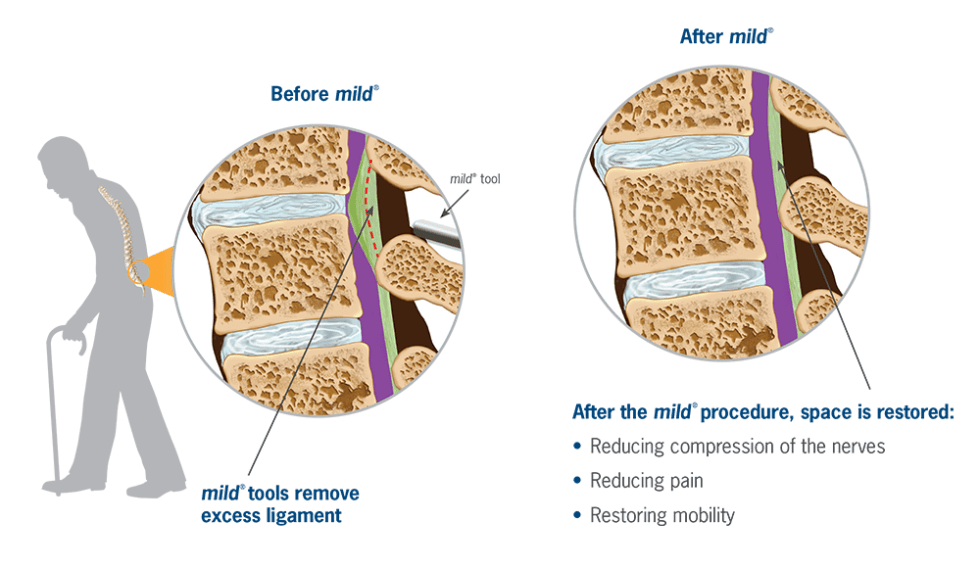
The MILD procedure stands for Minimally Invasive Lumbar Decompression. It is a treatment commonly used for patients with lumbar spinal stenosis. During the procedure, doctors remove small portions of thickened ligament tissue causing pressure around spinal nerves in the lower back.
This treatment is performed through a very small opening using specialized medical tools. Since the procedure does not require large surgical cuts, many patients experience shorter recovery periods. A spine pain relief clinic MILD treatment program may help patients improve walking ability and daily comfort after treatment.
How Lumbar Spinal Stenosis Develops?
Lumbar spinal stenosis happens when the spinal canal becomes narrow over time. Aging, arthritis, and thickened spinal ligaments commonly contribute to this condition. The narrowing places pressure on nerves in the lower back, often leading to pain, numbness, or weakness in the legs.
Many patients notice symptoms while standing or walking for longer periods. Sitting or leaning forward may temporarily reduce the pressure and improve comfort. A lumbar spinal stenosis clinic Plano patients trust can help diagnose the condition through physical exams and imaging studies.
Symptoms of Spinal Stenosis
Symptoms of spinal stenosis often develop gradually. Many people mistake early warning signs for general aging or muscle fatigue. As the condition progresses, walking and standing may become increasingly difficult during normal daily activities. Common symptoms include:
- Lower back pain
- Leg weakness during walking
- Numbness in the legs
- Tingling sensations
- Difficulty standing for long periods
- Reduced walking distance
- Pain improving while sitting
How the MILD Procedure Works?
The MILD procedure focuses on relieving pressure around compressed spinal nerves. Doctors use imaging guidance during the treatment to target thickened ligament tissue safely. Small portions of tissue are removed to create more space inside the spinal canal.
The procedure is usually performed with light sedation and does not require large surgical openings. Many patients return home the same day after treatment. Compared to major back surgery, recovery is often quicker and less physically demanding for older adults.
When daily movement becomes limited, minimally invasive treatment options may provide additional relief. Patients receiving spinal stenosis treatment Plano specialists provide often seek treatment after reduced mobility begins affecting independence and quality of life.
Benefits of the MILD Procedure
Many patients choose the MILD procedure because it offers a less invasive option for spinal stenosis treatment. It may help improve mobility while reducing pain related to nerve compression in the lower spine. Patients often report better walking tolerance after recovery. Potential benefits may include:
- Smaller treatment opening
- Reduced recovery time
- Improved walking ability
- Better daily movement
- Less pressure on spinal nerves
- Same day discharge in many cases
- Reduced lower back symptoms
Who May Be a Good Candidate?
Patients with lumbar spinal stenosis who continue experiencing symptoms after conservative care may qualify for the MILD procedure. Many people first try physical therapy, medications, or activity changes before considering minimally invasive treatment.
Doctors evaluate symptoms, imaging results, and medical history before recommending the procedure. Patients struggling with walking due to nerve pressure often benefit the most. A Plano back pain specialist can determine if this treatment fits the patient’s condition and recovery goals.
Recovery After the MILD Procedure
Recovery after the MILD procedure is usually shorter than recovery from traditional spine surgery. Many patients begin light movement shortly after treatment. Doctors often encourage walking and gentle activity during the recovery period to support healing and mobility improvement.
Patients may notice gradual symptom improvement over several weeks. Physical therapy may also help strengthen muscles supporting the lower back and improve overall movement. Following medical instructions carefully can support smoother recovery and better long-term results.
Lifestyle Habits That Support Spine Health
Healthy daily habits may help protect the spine and reduce pressure on lower back structures. While medical treatment improves symptoms, lifestyle choices also play an important role in long-term spinal support and movement. Helpful spine health habits include:
- Staying physically active
- Maintaining healthy body weight
- Using proper lifting techniques
- Improving posture during sitting
- Walking regularly
- Stretching carefully
- Avoiding long periods of inactivity
Why Early Evaluation Matters?
Spinal stenosis symptoms often worsen slowly over time. Delaying medical evaluation may allow nerve pressure to increase and reduce mobility further. Early diagnosis helps doctors recommend treatment before symptoms become severe.
Professional evaluations also help rule out other spinal conditions causing lower back pain or leg weakness. Visiting a chronic lower back pain treatment provider may help patients understand available options and improve daily movement before symptoms progress.
Conclusion
The MILD procedure offers a minimally invasive option for patients living with lumbar spinal stenosis and chronic lower back pain. By reducing pressure around spinal nerves, this treatment may improve walking ability, mobility, and daily comfort without the recovery demands of major surgery. Patients searching for a MILD procedure for spinal stenosis may benefit from early evaluation and personalized treatment planning.
Frequently Asked Questions
What does the MILD procedure treat?
The MILD procedure is commonly used to treat lumbar spinal stenosis caused by thickened ligament tissue pressing on spinal nerves in the lower back.
Is the MILD procedure considered surgery?
The MILD procedure is minimally invasive and uses a very small opening. It is less extensive than traditional spine surgery and usually involves shorter recovery time.
How long does recovery take after the MILD procedure?
Many patients resume light activity within days after treatment. Full recovery and symptom improvement may continue over several weeks depending on the patient’s condition.
Can the MILD procedure help walking problems?
Yes, many patients report improved walking ability after pressure on spinal nerves is reduced during the procedure.
Who performs the MILD procedure?
The procedure is typically performed by trained spine or pain management specialists experienced in minimally invasive spinal treatments.
