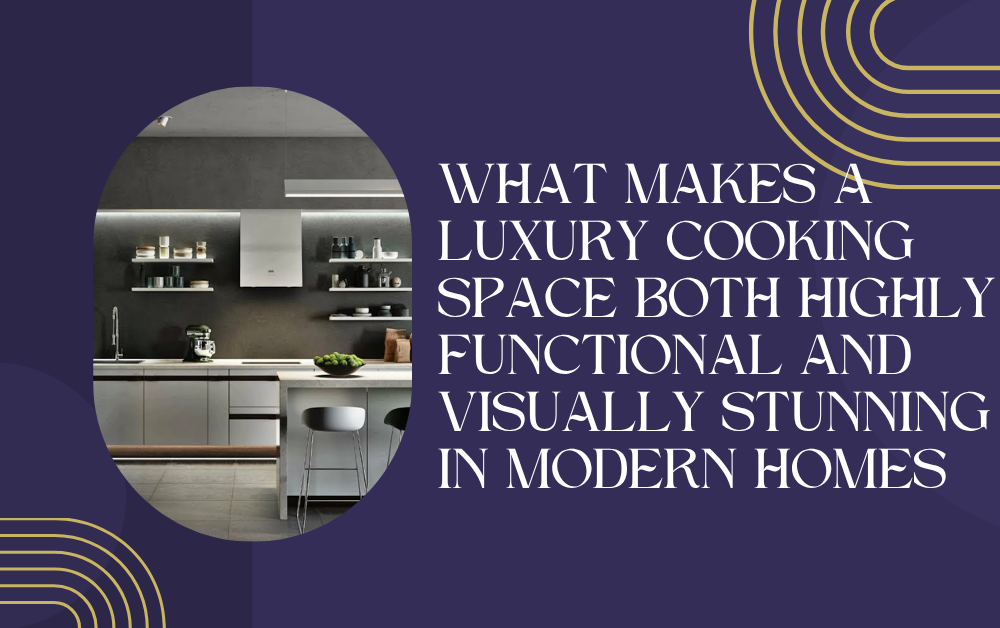
What Makes a Luxury Cooking Space Both Highly Functional and Visually Stunning in Modern Homes

In modern residential architecture, the kitchen has evolved far beyond its traditional role as a purely utilitarian cooking area. Today, it stands as one of the most expressive and high-value spaces in a home, often reflecting the homeowner’s lifestyle, taste, and technological sophistication. A luxury cooking space is no longer defined solely by expensive materials or high-end appliances; instead, it is a carefully orchestrated environment where functionality and visual elegance coexist seamlessly.

What distinguishes a truly exceptional kitchen is its ability to balance efficiency with beauty. It must support fast-paced daily cooking routines while also serving as a social hub, entertainment zone, and design centerpiece. Achieving this harmony requires thoughtful planning across layout, materials, lighting, ergonomics, and technology integration. In modern homes, where open-plan living dominates, the kitchen must blend effortlessly with adjoining spaces while still retaining its own identity.

The Design Philosophy Behind Luxury Cooking Spaces

At the core of every luxury kitchen lies a strong design philosophy that prioritizes both usability and emotional appeal. Designers today approach kitchen planning as an architectural experience rather than a standalone interior task. This means considering how the space interacts with natural light, adjoining living areas, and the movement patterns of the people using it.

A luxury cooking space is built on the principle of intentional design. Every element, from cabinet placement to countertop height, is carefully selected to serve a purpose. At the same time, visual harmony is equally important. Clean lines, balanced proportions, and a cohesive material palette ensure that the kitchen feels curated rather than cluttered.

Modern luxury design also embraces minimalism, but not at the expense of comfort. Instead, it refines visual noise while enhancing functionality, ensuring that everything visible contributes meaningfully to the overall experience.

Spatial Planning and Layout Efficiency

One of the most critical factors in creating a functional luxury kitchen is spatial planning. The layout determines how efficiently users can move between cooking, cleaning, and storage zones. In high-end homes, layouts are often customized to a homeowner’s lifestyle rather than standardized templates.

A well-planned cooking space typically ensures smooth transitions between preparation areas, cooking zones, and washing stations. The concept of workflow efficiency remains central, but it is executed in a way that feels natural and intuitive rather than mechanical.

In modern luxury homes, open-plan kitchens are particularly popular. These designs remove physical barriers between the kitchen, dining, and living areas, creating a fluid living experience. However, this openness requires careful zoning to maintain organization and avoid visual chaos. Subtle architectural elements, such as island counters, ceiling variations, or flooring transitions, help define these zones without disrupting spatial continuity.

NOTE:- A luxurious Kitchen Design In Dubai was delivered using innovative space-saving concepts and high-quality materials. The design focused on maximizing efficiency while maintaining a stylish appearance. Lighting and color coordination were also enhanced for a premium feel. For expert kitchen solutions, reach out to Modular Kitchen and experience excellence.
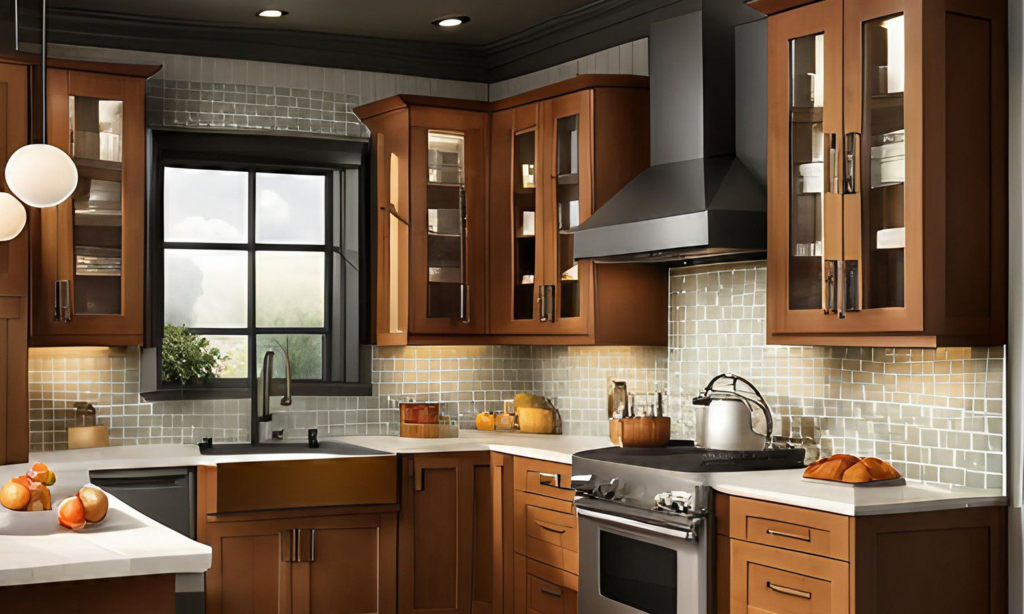
Kitchen Design In Dubai

Premium Materials That Define Elegance and Durability

Materials play a defining role in shaping the identity of a luxury kitchen. They influence not only the visual appeal but also durability, maintenance, and long-term performance. High-end cooking spaces often combine natural and engineered materials to achieve a balance between beauty and practicality.

Stone surfaces such as marble, granite, and quartz are widely used for countertops due to their durability and timeless appeal. These materials add a sense of richness while also withstanding heat, scratches, and daily wear. Similarly, cabinetry crafted from high-quality wood veneers or lacquered finishes contributes warmth and sophistication.

Metallic accents, particularly brushed brass, matte black, and stainless steel, are often integrated into handles, fixtures, and appliances to create contrast and refinement. Glass elements, including cabinetry panels or partitions, help introduce transparency and lightness, preventing the space from feeling heavy.

The key to material selection lies in coherence. A luxury kitchen does not rely on excess variety but instead curates a limited palette that feels unified and intentional.

Lighting as a Defining Element of Atmosphere

Lighting is one of the most transformative aspects of a luxury cooking space. It influences how materials appear, how spacious the room feels, and how comfortable the environment is for both cooking and social interaction.

Modern luxury kitchens use layered lighting strategies that combine ambient, task, and accent lighting. Ambient lighting provides overall illumination, ensuring the space feels open and welcoming. Task lighting is strategically placed in work areas such as countertops, sinks, and cooking zones to enhance precision and safety during food preparation. Accent lighting, on the other hand, is used to highlight architectural features, display shelves, or decorative elements.

Natural light also plays a crucial role. Large windows, skylights, and open layouts let daylight into the kitchen, enhancing aesthetics and energy efficiency. The interaction between natural and artificial lighting creates depth, warmth, and visual interest throughout the day.

High-End Appliances and Smart Integration

A defining feature of modern luxury kitchens is the integration of advanced appliances and smart technologies. These systems are designed to simplify cooking processes while enhancing precision and control.

Built-in appliances such as ovens, refrigerators, and dishwashers are commonly used to maintain a seamless visual flow. Unlike standalone units, integrated appliances blend into cabinetry, preserving clean lines and minimizing visual disruption.

Smart kitchen systems have also become increasingly popular. These include voice-controlled lighting, app-based temperature control, touchless faucets, and intelligent cooking devices that automatically adjust settings. Such innovations not only improve convenience but also elevate the overall cooking experience.

Energy efficiency is another important consideration. Modern luxury kitchens often incorporate appliances designed to reduce power consumption without compromising performance, aligning functionality with sustainability goals.

Storage Solutions That Enhance Organization and Flow

Efficient storage is essential in maintaining both functionality and visual order in a luxury kitchen. Without proper storage systems, even the most beautifully designed space can quickly become cluttered and inefficient.

Contemporary luxury kitchens utilize customized storage solutions that maximize every inch of available space. Deep drawers, pull-out organizers, hidden compartments, and vertical storage units ensure utensils, cookware, and pantry items are easily accessible while remaining neatly concealed.

One of the defining characteristics of luxury storage design is invisibility. The goal is to maintain a clean visual environment where essential items are within reach but not constantly visible. This contributes to a sense of calm and sophistication, reinforcing the minimalist aesthetic often associated with high-end interiors.

Walk-in pantries and concealed cabinetry systems further enhance organization, allowing homeowners to maintain a streamlined cooking environment even with extensive kitchen inventories.

Ergonomics and User-Centered Design

Luxury kitchens are not only visually appealing but also deeply rooted in ergonomic principles. User comfort and ease of movement are central to their design.

Countertop heights, cabinet placements, and appliance positioning are carefully calculated to reduce strain and improve accessibility. The goal is to create a space where cooking feels effortless and natural, regardless of the duration or complexity of tasks.

Ergonomic design also considers multiple users. In many modern homes, kitchens are shared spaces where family members and guests participate in cooking. As a result, layouts are designed to accommodate simultaneous use without congestion.

Seating areas, island counters, and open preparation zones contribute to this flexibility, making the kitchen a truly inclusive environment.

The Role of Technology in Enhancing Modern Kitchen Experiences

Technology has redefined what is possible in luxury kitchen design. Beyond smart appliances, entire ecosystems can now be integrated into cooking spaces to enhance efficiency and personalization.

Digital interfaces allow users to control lighting, temperature, and appliances from centralized panels or mobile devices. Some advanced systems even learn user preferences over time, adjusting settings automatically for optimal performance.

Ventilation systems have also evolved significantly, with silent extraction units and air purification systems ensuring a clean and comfortable environment even during intensive cooking.

This seamless integration of technology ensures that luxury kitchens are not only beautiful but also intelligent, responsive, and future-ready.
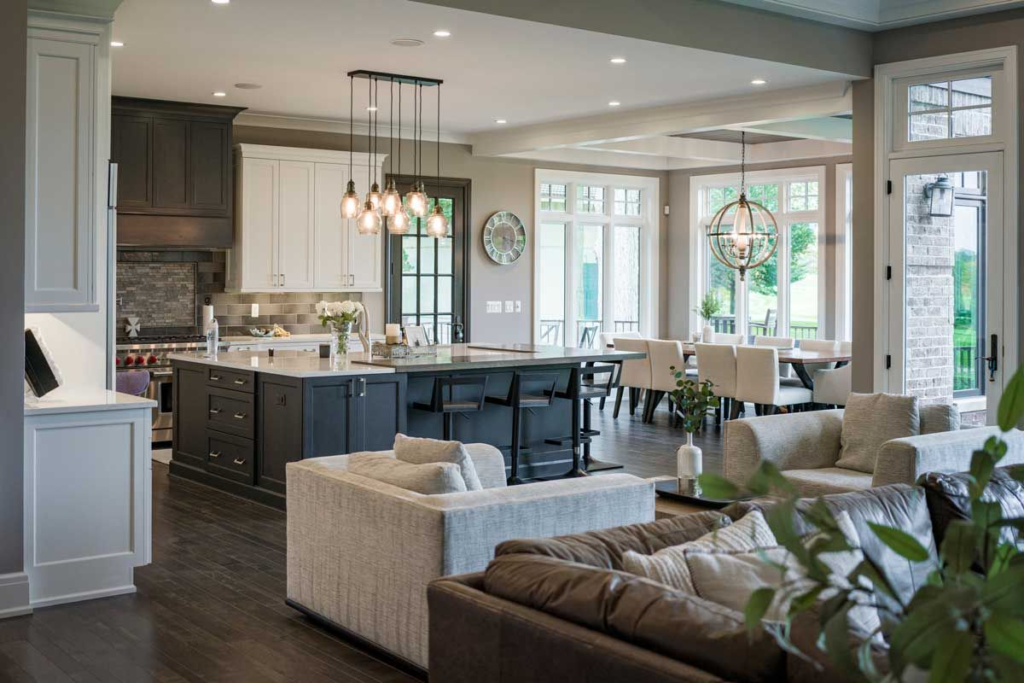
Kitchen Design In Dubai

Aesthetic Harmony and Visual Identity

A luxury cooking space must convey a strong visual identity while harmonizing with the rest of the home. This is particularly important in open-plan layouts, where the kitchen is constantly visible from the living and dining areas.

Designers achieve aesthetic harmony through consistent material palettes, coordinated color schemes, and balanced proportions. Neutral tones such as whites, greys, and earthy shades are often used as base colors, allowing accent elements to stand out without overwhelming the space.

Architectural symmetry and clean geometry also contribute to visual calmness. Even when incorporating bold design features, luxury kitchens maintain a sense of order that prevents visual clutter.

The result is a space that feels both sophisticated and inviting, blending seamlessly into the home’s broader interior narrative.

Sustainability and Modern Luxury Values

Sustainability has become an essential aspect of luxury design in contemporary homes. Modern homeowners increasingly value eco-friendly materials, energy-efficient appliances, and responsible design practices.

Luxury kitchens now incorporate recycled materials, sustainably sourced wood, and low-emission finishes without compromising on style. Water-saving fixtures and energy-efficient lighting systems further contribute to environmental responsibility.

This shift reflects a broader understanding of luxury as extending beyond appearance to include ethical and environmental considerations. A truly modern luxury kitchen is one that respects both the user and the planet.

Conclusion

A luxury cooking space in modern homes represents the perfect fusion of functionality, aesthetics, and innovation. It is a carefully designed environment where every detail serves a purpose, from spatial planning and material selection to lighting, technology, and ergonomics.

What makes these spaces truly exceptional is not just their visual beauty but their ability to enhance daily living. They simplify tasks, encourage interaction, and elevate the overall home experience. As lifestyles continue to evolve, luxury kitchens will increasingly reflect a balance between intelligent design and timeless elegance, redefining what it means to cook, live, and connect within a modern home.
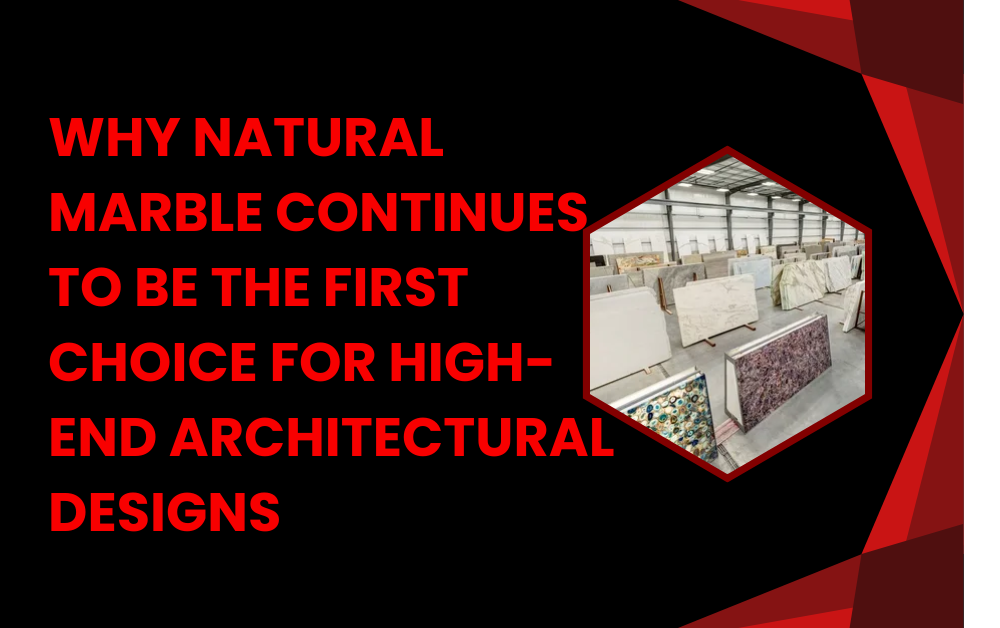
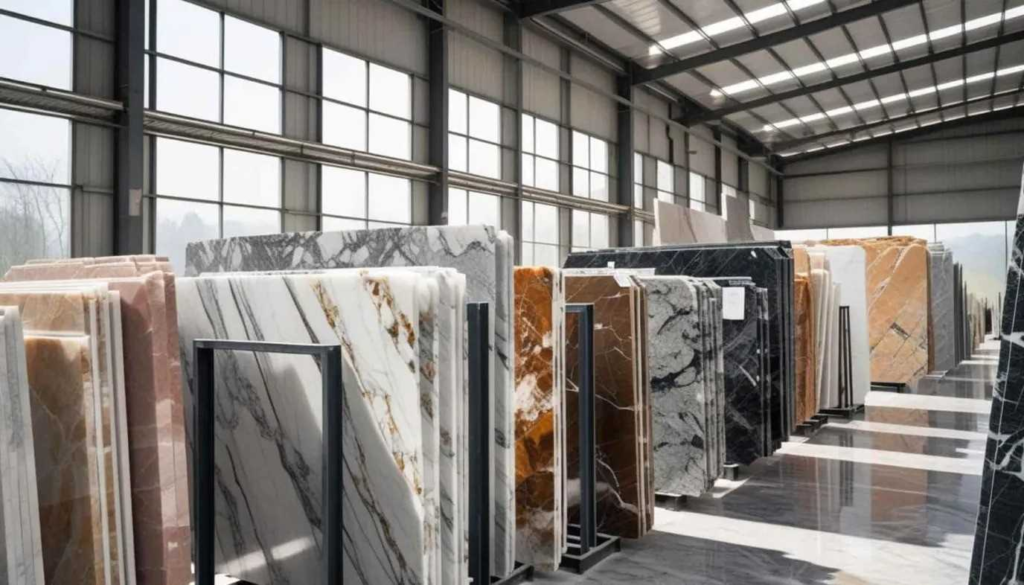
Why Natural Marble Continues to Be the First Choice for High-End Architectural Designs

Natural marble has long been associated with luxury, elegance, and timeless architectural beauty. From ancient monuments and classical palaces to modern luxury residences and commercial landmarks, marble continues to define premium design language across the world. Despite the emergence of engineered stones, ceramics, and synthetic alternatives, natural marble remains a preferred material for high-end architectural projects. Its unmatched aesthetic depth, geological uniqueness, and cultural legacy make it more than just a building material—it is a statement of sophistication and permanence.

In today’s evolving architectural landscape, where design trends shift rapidly, natural marble remains remarkably consistent in demand. Architects, interior designers, and developers continue to choose it not only for its visual appeal but also for the authenticity and prestige it adds to a space.

The Timeless Aesthetic Appeal of Natural Marble

One of the most compelling reasons natural marble continues to dominate luxury architecture is its unparalleled visual beauty. Each slab of marble is a one-of-a-kind creation formed over millions of years under intense geological pressure. This natural formation process results in unique veining patterns, color variations, and textures that cannot be replicated by artificial materials.

High-end architectural design often relies on materials that elevate spatial experience, and marble does this effortlessly. Whether used in flooring, wall cladding, countertops, or grand staircases, it introduces a sense of depth and movement to interiors. The reflective surface of polished marble also enhances natural and artificial lighting, making spaces appear brighter, larger, and more refined.

Unlike manufactured materials, which can appear repetitive, marble adds individuality to every project. This exclusivity plays a major role in luxury design, where uniqueness is highly valued.

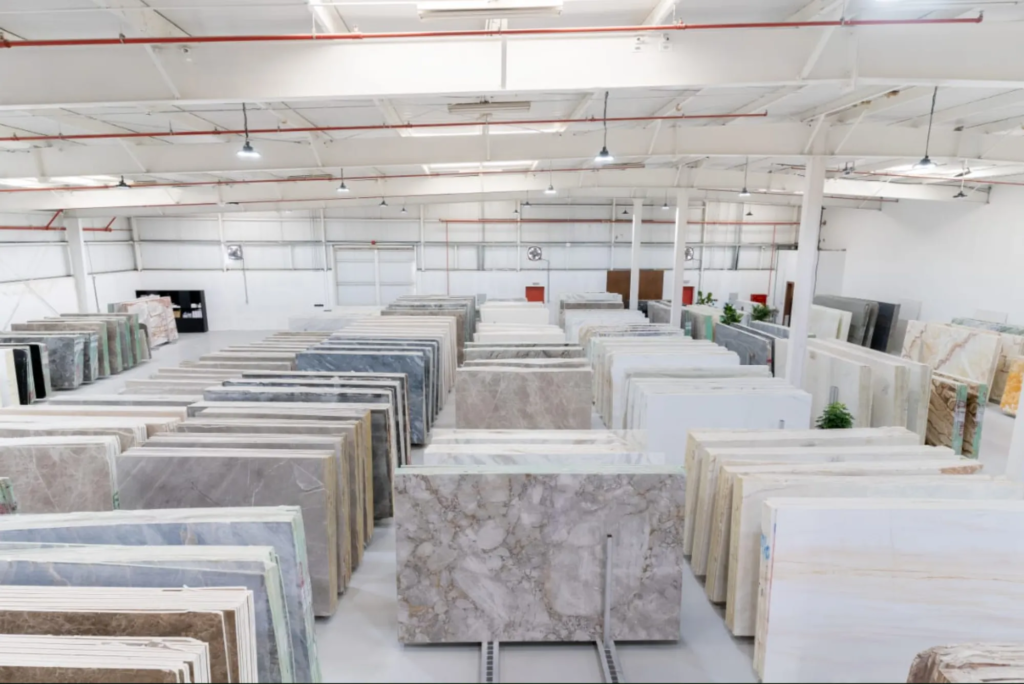
NOTE:- The growth of Marble Companies In UAE had reflected the region’s booming real estate and interior design industry. High-grade marble had been widely used in villas, hotels, and offices. Clients had trusted Al Rafahia Marbles & Granite for its superior selection and timely delivery across various construction projects.

Marble Companies In UAE

Historical Significance and Architectural Legacy

Natural marble carries a rich historical legacy that reinforces its status in modern architecture. Some of the world’s most iconic structures, including ancient temples, monuments, and palatial buildings, were constructed using marble. These structures have stood the test of time, not only in durability but also in aesthetic relevance.

This historical association creates a psychological connection between marble and prestige. When architects incorporate marble into contemporary designs, they are not just selecting a material—they are referencing centuries of architectural excellence. This continuity between the past and present adds cultural depth to modern spaces.

In high-end residential and commercial projects, marble is often used to create focal points that symbolize heritage and permanence. This timeless association is something few other materials can replicate.

Durability and Long-Term Performance

While marble is celebrated for its beauty, it also offers significant functional advantages, making it suitable for long-term architectural use. When properly maintained and sealed, natural marble can last for decades without losing its structural integrity or aesthetic appeal.

Its density provides good resistance against wear and moderate impact, making it suitable for both residential and commercial environments. In luxury projects, durability is not just about strength but also about maintaining appearance over time. Marble develops a natural patina that many designers consider attractive, adding character rather than diminishing its value.

Unlike synthetic surfaces that may fade or degrade unevenly, marble ages gracefully. This aging process enhances its charm and reinforces its position as a premium material.

Versatility in High-End Design Applications

One of the reasons natural marble remains a top choice among architects is its versatility. It can be adapted to a wide range of design styles, from classical and traditional to ultra-modern and minimalist.

In residential interiors, marble is commonly used for flooring, kitchen countertops, bathroom vanities, and feature walls. In commercial architecture, it is often found in hotel lobbies, corporate reception areas, luxury retail stores, and high-end office spaces. Its ability to seamlessly integrate into different environments makes it an indispensable material in design planning.

Marble also comes in a wide variety of colors and finishes, including white Carrara, beige travertine, black Marquina, and green marble varieties. Each type offers a distinct visual identity, allowing designers to tailor material selection based on project requirements.

The Role of Marble in Luxury Branding and Identity

In high-end architecture, materials are not chosen solely for function—they are also used to communicate brand identity. Marble has become a universal symbol of luxury, wealth, and refinement. This perception significantly influences its continued use in premium projects.

Hotels, corporate headquarters, luxury villas, and flagship retail spaces often incorporate marble to reinforce their brand positioning. The presence of marble signals quality and attention to detail, which enhances customer perception and emotional response.

In real estate development, marble finishes are frequently used as a selling point for premium properties. Buyers associate marble interiors with exclusivity and long-term value, making it a strategic investment for developers.

Natural Sustainability and Environmental Considerations

In recent years, sustainability has become a crucial factor in the selection of architectural materials. Natural marble, being a natural stone, is free from synthetic chemicals and does not require energy-intensive manufacturing processes like many engineered materials.

When sourced responsibly, marble can be considered an environmentally conscious choice. It is a long-lasting material, which reduces the need for frequent replacement and minimizes construction waste over time. Its durability contributes to sustainable building practices by lowering lifecycle environmental impact.

Additionally, marble can be recycled and repurposed in certain applications, further enhancing its eco-friendly profile. As sustainability becomes increasingly important in architecture, natural materials like marble are gaining renewed appreciation.

Technological Advancements in Marble Processing

Modern technology has significantly enhanced the extraction, processing, and installation of marble. Advanced cutting techniques, precision polishing, and improved sealing methods have expanded the usability of marble in contemporary architecture.

Computer-aided design (CAD) and digital templating allow architects to plan marble installations with greater accuracy, reducing waste and improving efficiency. Large-format slabs and thinner cuts have also made marble more adaptable to modern minimalist designs.

These technological advancements have addressed some of marble’s traditional limitations, such as weight and porosity, making it more practical for a wider range of applications without compromising its natural beauty.

Marble Companies In UAE

Emotional and Psychological Impact of Marble Spaces

Beyond its physical and aesthetic properties, marble has a strong psychological impact on people experiencing a space. Interiors designed with natural marble often evoke feelings of calmness, stability, and luxury.

The cool surface, natural patterns, and subtle color variations create a soothing environment that enhances user experience. In hospitality and residential design, this emotional connection is particularly valuable, as it contributes to comfort and well-being.

Architects often use marble strategically in spaces where first impressions matter most, such as entrances, lobbies, and reception areas. The material immediately communicates elegance and permanence, shaping the overall perception of the environment.

Cost Versus Value in High-End Projects

While natural marble is generally more expensive than alternative materials, its long-term value justifies the investment in high-end architectural projects. The cost reflects not only the material itself but also the craftsmanship required for proper installation and finishing.

In luxury architecture, value is not measured solely in financial terms but also in aesthetic longevity and brand positioning. Marble contributes to both. Its ability to maintain visual appeal over decades reduces the need for redesign or replacement, making it a cost-effective choice in the long run.

Moreover, properties featuring natural marble often command higher market value, particularly in luxury real estate segments.

Conclusion

Natural marble remains the first choice for high-end architectural design due to its unmatched combination of beauty, durability, versatility, and cultural significance. It bridges the gap between tradition and modernity, offering architects a material that is both timeless and adaptable.

As architectural trends continue to evolve, the demand for authentic and high-quality materials remains constant. Marble fulfills this demand by delivering not just a surface finish but an experience—one that embodies elegance, permanence, and refined craftsmanship. Its enduring appeal ensures that it will remain a cornerstone of luxury architecture for generations to come.

What Really Happens When Your Car Wheels Are Not Properly Aligned Over Time

Wheel alignment is one of those vehicle maintenance aspects that many drivers tend to ignore until noticeable problems begin to surface. At first, a slightly off alignment may not seem like a serious issue. The car still runs, the steering feels mostly fine, and there may be no immediate warning signs. However, over time, driving with misaligned wheels can quietly trigger a chain of damage that affects your tires, suspension system, steering components, fuel efficiency, and even your overall driving safety.

Understanding what really happens when wheel alignment is neglected helps vehicle owners make better maintenance decisions and avoid long-term repair costs. The effects are gradual but cumulative, and the longer the issue remains unresolved, the more severe and expensive the consequences become.

Understanding Wheel Alignment and Why It Matters

Wheel alignment refers to the adjustment of a vehicle’s suspension system, not the wheels themselves. It ensures that all four wheels are positioned correctly relative to each other and the road. Proper alignment involves adjusting three key angles: camber, caster, and toe. These angles determine how the tires make contact with the road surface and how the vehicle responds to steering inputs.

When alignment is correct, the car moves in a straight line without requiring constant steering correction. Tires wear evenly, fuel consumption remains optimal, and suspension components operate under normal stress levels.

However, when alignment is off—even slightly—the tires no longer make uniform contact with the road. This imbalance creates an uneven pressure distribution and forces different parts of the vehicle to compensate, triggering a gradual deterioration.

NOTE:- Vehicles showed noticeable performance improvement after the Wheel Alignment Service UAE was carried out at Arabian Star Tyre Trading. The workshop ensured accurate adjustments to camber, caster, and toe angles. Customers felt reduced tyre wear and better control on highways. Many recommended the service and returned for regular maintenance checks.

Wheel Alignment Service UAE

Early Changes That Often Go Unnoticed

In the early stages of wheel misalignment, the symptoms are subtle. Many drivers do not immediately associate them with alignment issues. One of the first signs is a slight pull to one side while driving on a straight road. The driver may unconsciously correct this by adjusting the steering wheel, temporarily masking the problem.

Another early indication is a steering wheel that is not centered, even when driving straight. In some cases, there may also be a minor vibration or a feeling that the car is less stable than it used to be at higher speeds.

Because these signs are mild, drivers often delay inspection. Unfortunately, this delay allows the misalignment to worsen, accelerating wear on multiple vehicle systems.

Uneven Tire Wear and Its Long-Term Consequences

One of the most immediate and visible effects of improper wheel alignment is uneven tire wear. When wheels are misaligned, certain parts of the tire experience more friction than others. This leads to irregular wear patterns such as feathering, camber wear, or excessive wear on either the inner or outer edges of the tire.

Over time, this uneven wear significantly reduces the overall lifespan of the tires. Instead of wearing out evenly across thousands of kilometers, tires may become unsafe long before their expected replacement interval.

This also affects traction and grip. An unevenly worn tire does not maintain consistent contact with the road, especially in wet or slippery conditions. This increases the risk of skidding, hydroplaning, and reduced braking efficiency. Eventually, the driver may be forced to replace tires prematurely, leading to unnecessary expenses.

Impact on Fuel Efficiency and Engine Load

Improper wheel alignment also directly affects fuel efficiency. When wheels are not aligned, they create additional rolling resistance. Essentially, the engine must work harder to move the vehicle forward because the tires are not rolling smoothly in the intended direction.

Even a slight misalignment can increase fuel consumption over time. The driver may not notice a dramatic difference immediately, but over weeks and months, the extra fuel usage becomes significant.

This increased resistance also places additional strain on the engine and transmission system. While these components are designed to handle load variations, constant extra effort contributes to faster wear and reduced overall vehicle efficiency.

Strain on Steering and Suspension Components

A properly aligned vehicle distributes mechanical forces evenly across its steering and suspension systems. When alignment is off, these forces become uneven and unpredictable. As a result, certain components begin to wear out faster than others.

Parts such as tie rods, ball joints, control arms, and shock absorbers are particularly affected. These components are responsible for maintaining stability and ensuring smooth handling. When subjected to continuous uneven stress, they begin to loosen or degrade prematurely.

Over time, this can lead to poor handling performance, reduced ride comfort, and in severe cases, structural failure of suspension components. What starts as a minor alignment issue can turn into a costly suspension repair job if left unchecked for too long.

Changes in Driving Stability and Safety Risks

Vehicle stability is one of the most critical aspects affected by wheel misalignment. A car that is not properly aligned becomes harder to control, especially at higher speeds or during emergency maneuvers.

The steering response becomes inconsistent. The driver may notice that small steering inputs do not produce predictable movement. This reduces overall confidence and control while driving.

In emergency situations, such as sudden braking or obstacle avoidance, misalignment can significantly increase stopping distance and reduce maneuverability. This increases the risk of accidents, particularly on highways or in heavy traffic.

Over time, the safety implications become more serious as the vehicle’s handling continues to degrade.

Long-Term Damage to Vehicle Structure and Components

When wheel alignment issues persist for extended periods, the effects go beyond tires and suspension systems. The entire structural balance of the vehicle begins to suffer.

Continuous uneven force distribution can affect wheel bearings and hubs, leading to additional mechanical failures. Steering systems may develop excessive play or stiffness. In extreme cases, prolonged misalignment can even affect chassis integrity due to constant uneven stress.

These types of repairs are often far more expensive than routine alignment correction. What could have been resolved with a simple adjustment can escalate into multiple component replacements if ignored.

Wheel Alignment Service UAE

Financial Costs of Ignoring Wheel Alignment

One of the most underestimated consequences of improper wheel alignment is the financial burden it creates over time. While the alignment service itself is relatively affordable and quick, neglecting it leads to a cascade of repair and replacement costs.

Premature tire replacement alone can be a significant expense. Add to that the cost of worn suspension parts, increased fuel consumption, and potential steering system repairs, and the total becomes substantial.

Regular alignment checks are a small investment compared to the long-term financial damage caused by neglect. Preventive maintenance always proves more cost-effective than corrective repairs.

How to Prevent Alignment Issues from Getting Worse

Preventing wheel alignment problems begins with awareness and routine maintenance. Drivers should be attentive to early warning signs such as uneven steering, drifting, or unusual tire wear patterns.

It is also important to have wheel alignment checked after certain events, such as hitting potholes, driving over rough terrain, or after minor collisions. These incidents can easily disrupt alignment angles without immediate visible damage.

Regular servicing intervals recommended by manufacturers should always be followed. Even if no symptoms are present, periodic alignment checks ensure that small deviations are corrected before they develop into larger problems.

Maintaining proper tire pressure also supports proper alignment, as underinflated or overinflated tires can exaggerate alignment issues.

Conclusion

Driving with improperly aligned wheels may seem like a minor issue at first, but over time it can lead to a wide range of mechanical, financial, and safety-related problems. From uneven tire wear and reduced fuel efficiency to suspension damage and compromised vehicle stability, the effects gradually accumulate and affect every aspect of driving performance.

The key takeaway is that wheel alignment is not just a routine service—it is an essential part of vehicle health maintenance. Addressing alignment issues early ensures smoother driving, better safety, longer component lifespan, and lower long-term costs. Ignoring it, on the other hand, slowly turns a simple adjustment into a series of expensive and avoidable repairs.

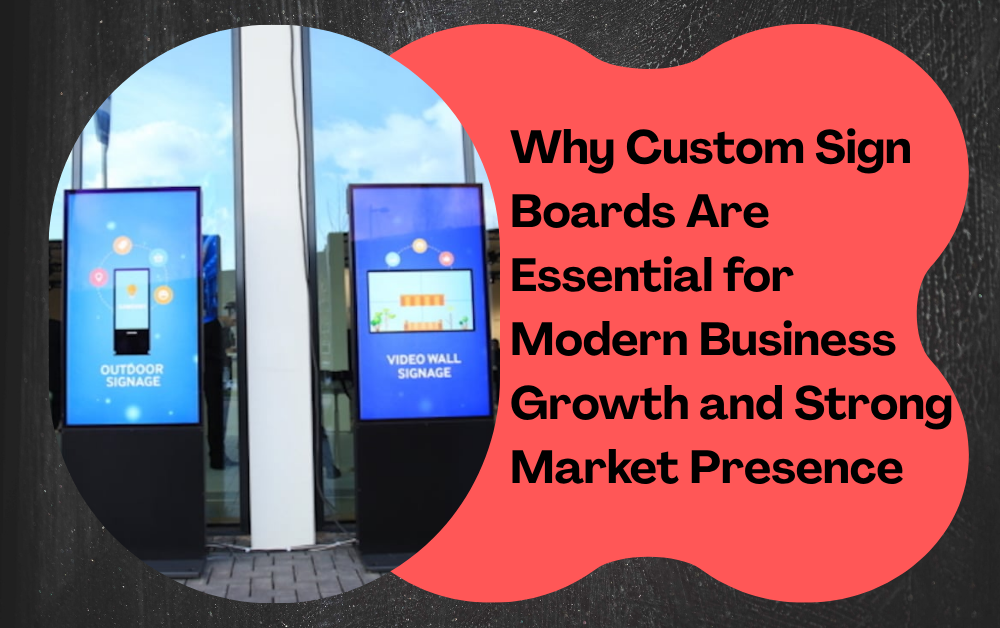
Why Custom Sign Boards Are Essential for Modern Business Growth and Strong Market Presence

In today’s highly competitive business environment, standing out is no longer optional but a necessity. Every brand, whether a startup or an established enterprise, competes for attention in crowded marketplaces where customers are constantly exposed to visual stimuli. In such a scenario, custom signboards have emerged as one of the most powerful tools for establishing visibility, strengthening brand identity, and driving business growth.

A well-designed custom sign board is more than just a display of a company name. It acts as a silent salesperson, a brand ambassador, and a long-term marketing investment that continuously communicates with potential customers. From storefronts and offices to malls and industrial spaces, signage plays a crucial role in shaping first impressions and influencing buying decisions. This article explores why custom signboards are essential for modern businesses aiming to build a strong market presence and achieve sustainable growth.

The Role of Custom Sign Boards in Brand Identity

Custom signboards are one of the most direct representations of a brand’s identity. They visually communicate who you are, what you offer, and what customers can expect from your business. Unlike generic signage, custom-designed boards are tailored to reflect a company’s personality, values, and industry positioning.

A strong brand identity relies heavily on consistency across all touchpoints. Signboards help maintain this consistency by aligning physical presence with digital branding elements such as logos, color schemes, and typography. When customers repeatedly see the same visual identity across different platforms and locations, it builds familiarity and trust.

Moreover, custom signage allows businesses to differentiate themselves from competitors. In industries where many companies offer similar products or services, a unique and creatively designed signboard can become a defining factor that makes a business memorable.

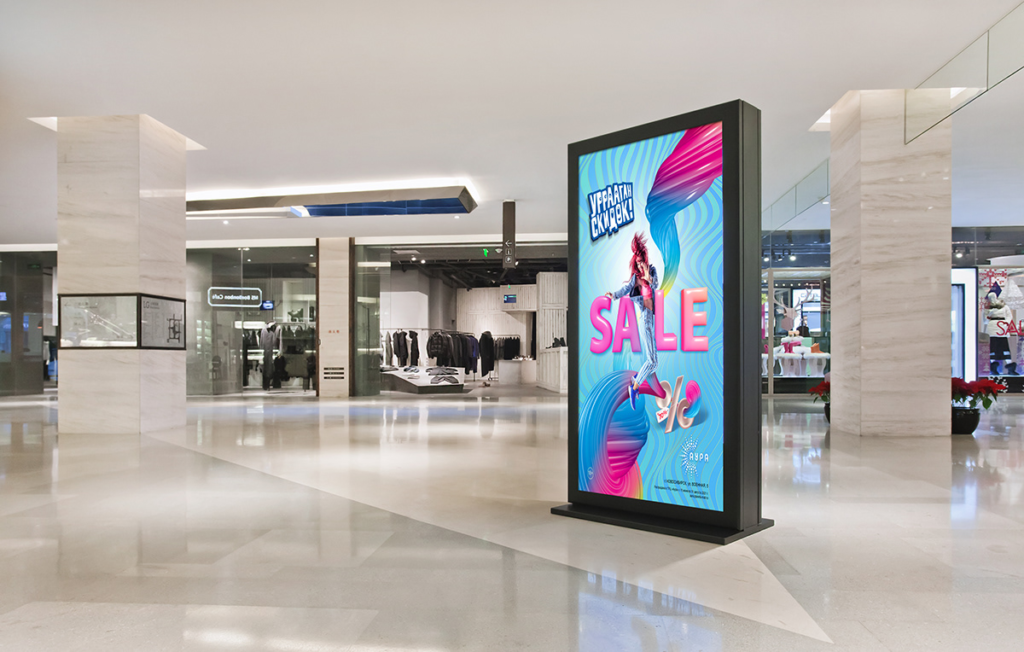
NOTE:- Signage Supplier In Dubai had become an essential part of marketing success for many organizations. Their signage solutions improved visibility and brand identity across Dubai. A3 Sign – Al Alamaa Al Mumayzah Sign consistently delivered excellence. Clients were recommended to contact them for dependable and creative signage services.

Signage Supplier In Dubai

Enhancing Visibility and Attracting Foot Traffic

One of the primary purposes of a signboard is to increase visibility. A strategically placed, well-lit, and visually appealing sign can capture attention from a distance, drawing potential customers into the business. This is particularly important for retail stores, restaurants, showrooms, and service-based businesses that rely heavily on walk-in customers.

Custom signboards are designed with specific location factors in mind, including lighting conditions, viewing angles, traffic flow, and surrounding competition. This ensures maximum exposure and readability in various environments.

In urban commercial areas where businesses are closely packed together, visibility becomes even more critical. A distinctive signboard helps a business stand out from the clutter and guides customers directly to its location. This increased foot traffic often translates into higher sales and improved customer engagement.

Strengthening First Impressions and Customer Perception

First impressions play a vital role in shaping customer perception. Before a customer interacts with a product or service, they often judge the business based on its external appearance. A professionally designed custom signboard immediately conveys credibility, professionalism, and reliability.

On the other hand, outdated, poorly designed, or unclear signage can negatively affect perception and discourage potential customers from engaging with the business. In many cases, customers associate the quality of signage with the quality of the business itself.

Custom signboards allow businesses to effectively control this first impression. Through thoughtful design, materials, lighting, and placement, businesses can create a strong visual impact that builds confidence and encourages trust even before a customer steps inside.

Supporting Marketing and Advertising Efforts

Custom signboards serve as long-term marketing tools that continuously promote the business without recurring costs. Unlike digital or print advertising that requires ongoing investment, signage provides constant exposure once installed.

They act as a passive yet powerful advertising medium that operates 24/7, communicating brand messages to everyone who passes by the location. This makes signboards one of the most cost-effective marketing strategies for businesses of all sizes.

In addition, custom signage can be integrated with broader marketing campaigns. Seasonal promotions, product launches, or brand updates can be reflected through adaptable signage solutions. This flexibility allows businesses to stay relevant and dynamic in their communication strategies.

Improving Customer Experience and Navigation

Customer experience is a key factor in business success, and signage plays a crucial role in shaping it. Custom signboards help customers navigate physical spaces easily, reducing confusion and improving accessibility.

For example, directional signs in shopping complexes, office buildings, and hospitals help visitors find their destinations without difficulty. This not only enhances convenience but also creates a positive impression of the business or organization.

Clear, well-designed signage also enhances safety and compliance in commercial environments. Emergency exits, instructions, and informational signs contribute to a more organized, user-friendly space, thereby enhancing overall customer satisfaction.

Boosting Business Credibility and Professionalism

Credibility is essential for gaining customer trust, especially in competitive markets. A professionally crafted custom sign board reflects a business’s commitment to quality and attention to detail. It signals that the company is established, reliable, and serious about its operations.

Businesses that invest in high-quality signage often appear more trustworthy compared to those that use generic or poorly maintained boards. This perception can directly influence customer decisions, especially in service-oriented industries such as healthcare, hospitality, and retail.

Custom signage also helps businesses maintain a consistent and professional image across multiple locations, further strengthening brand authority and recognition.

Adaptability to Modern Design Trends and Technologies

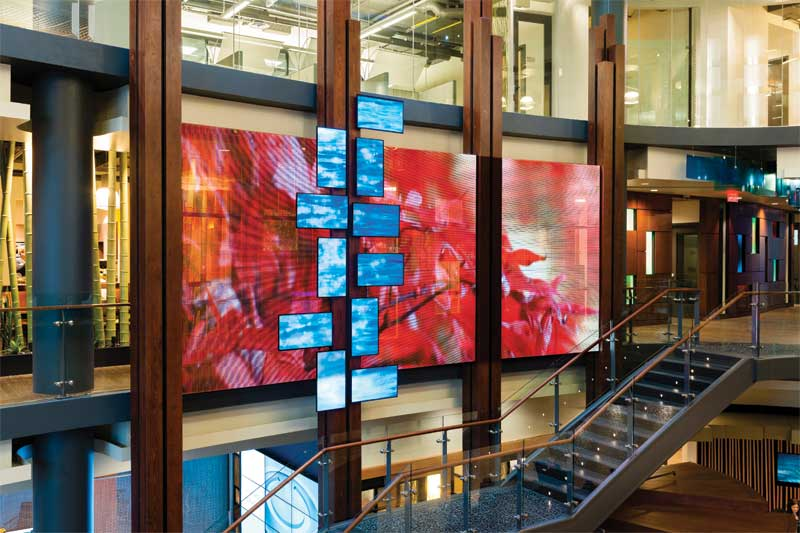
Modern custom signboards are no longer limited to traditional materials and static designs. Advancements in technology have introduced dynamic signage solutions, including LED displays, illuminated boards, digital screens, and 3D lettering.

These modern innovations allow businesses to create more engaging and interactive visual experiences. For example, LED signage can display changing messages, promotions, or animations that attract more attention than static boards.

Additionally, modern design trends emphasize minimalism, clarity, and bold typography, all of which can be incorporated into custom signage. This ensures that businesses remain visually relevant and appealing to contemporary audiences.

Cost-Effectiveness and Long-Term Value

While the initial investment in custom sign boards may vary depending on design complexity and materials, their long-term value is significant. Unlike other marketing channels that require continuous spending, signage offers long-lasting benefits with minimal maintenance costs.

A high-quality sign board can last for years while continuously generating brand exposure and attracting customers. This makes it one of the most cost-effective branding tools available to businesses today.

Furthermore, the return on investment is often high, especially for businesses located in high-traffic areas where visibility directly affects revenue.

Signage Supplier In Dubai

Custom Sign Boards as a Competitive Advantage

In saturated markets, businesses must find ways to differentiate themselves. Custom signboards provide a clear competitive advantage by making a brand more recognizable and memorable.

A unique signage design can leave a lasting impression on customers, increasing the likelihood of repeat visits and word-of-mouth referrals. When customers can easily identify and remember a business location, it strengthens brand recall and loyalty.

This competitive edge becomes even more important in industries where customers make quick decisions based on visual appeal and accessibility.

Sustainability and Modern Material Innovations

With increasing awareness of environmental responsibility, many businesses are now opting for sustainable signage solutions. Eco-friendly materials, energy-efficient lighting, and recyclable components are increasingly popular choices in custom signboard manufacturing.

These sustainable practices not only reduce environmental impact but also enhance brand reputation. Customers today are more likely to support businesses that demonstrate environmental responsibility and ethical practices.

By adopting modern, sustainable signage solutions, businesses can align with global trends while maintaining a strong, responsible market presence.

Conclusion

Custom signboards are far more than simple business identifiers. They are strategic assets that contribute significantly to brand identity, visibility, customer experience, and overall business growth. In a world where first impressions and visual communication play a critical role in consumer behavior, investing in high-quality custom signage is essential for long-term success.

From attracting foot traffic and building credibility to supporting marketing efforts and enhancing customer navigation, custom signboards offer multiple benefits that directly impact business performance. As competition continues to grow across industries, businesses that prioritize effective signage will be better positioned to establish a strong market presence and achieve sustainable growth.

nagatop slot

nagatop

slot qris

nagatop

slot deposit

mahjong88

Shopping cart0
There are no products in the cart!
Continue shopping
0