


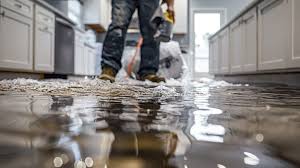
Floods can strike suddenly and leave behind a trail of destruction. From heavy rains to overflowing rivers, the aftermath can be overwhelming. One of the most important steps after a flood is flood damage cleanup. Acting quickly can help protect your property, reduce health risks, and make recovery faster. In this guide, we’ll walk you through everything you need to know about cleaning up after a flood.
Why Flood Damage Cleanup Is Critical
When floodwater enters your home, it doesn’t just damage walls and floors. It can also create long-term problems like mold, structural weakening, and health hazards. Water can seep into hidden areas such as under carpets, behind walls, and inside cabinets. If left untreated, these issues can grow, leading to costly repairs and unsafe living conditions.
Key reasons flood damage cleanup matters:
- Health protection: Floodwater often contains bacteria, sewage, or chemicals that can cause infections.
- Preventing mold growth: Mold can start growing within 24–48 hours. Immediate cleanup stops mold from spreading.
- Structural safety: Water weakens wood, drywall, and flooring. Quick removal helps maintain your home’s stability.
- Insurance compliance: Many insurance policies require prompt cleanup to process claims.
Safety First During Flood Cleanup
Before starting any cleanup, prioritize your safety. Floodwater can hide hazards such as sharp debris, live electrical wires, and contaminated materials. Here’s what you should do:
- Turn off electricity and gas: Avoid the risk of electrocution or fire.
- Wear protective gear: Gloves, boots, masks, and eye protection help prevent injuries and illness.
- Check for structural damage: Avoid entering severely damaged areas without a professional assessment.
- Keep children and pets away: Flooded areas can be dangerous.
Step-by-Step Flood Damage Cleanup
Cleaning up after a flood requires a structured approach. Here’s a step-by-step plan:
1. Remove Standing Water
Start by removing as much water as possible. Use pumps, wet/dry vacuums, or buckets. Speed matters—standing water encourages mold and further damage.
2. Dry the Area
Once most water is gone, use fans, dehumidifiers, and open windows to dry the space. Circulating air helps prevent mold and reduces lingering odors.
3. Dispose of Damaged Items
Floodwater can ruin furniture, carpeting, and personal items. Throw away anything soaked that can’t be sanitized, especially porous materials like mattresses, upholstered furniture, and cardboard.
4. Clean and Sanitize
Use a mixture of water and household disinfectants to clean floors, walls, and hard surfaces. Be thorough—floodwater carries bacteria and germs that can cause illness.
5. Check for Mold
Even after drying, mold can appear in hidden spaces. Inspect walls, ceilings, and flooring for signs of mold growth. Professional mold remediation may be necessary for extensive infestations.
6. Repair and Restore
Once your home is clean and dry, start repairing damaged structures. Replace flooring, drywall, and insulation if needed. Painting and sealing can restore both safety and aesthetics.
Hiring Professionals for Flood Damage Cleanup
While some cleanup can be done by homeowners, severe flooding often requires professional help. Experts have specialized equipment to remove water quickly, dry areas efficiently, and handle contaminated materials safely.
Benefits of professional flood cleanup:
- Faster water removal and drying
- Mold prevention and remediation
- Safe handling of hazardous materials
- Thorough documentation for insurance claims
Companies offering flood damage cleanup services can often respond 24/7. Quick action minimizes losses and ensures your home is safe to live in.
Tips to Prevent Future Flood Damage
After cleanup, consider ways to protect your home from future floods:
- Elevate appliances and electrical systems above potential flood levels.
- Install sump pumps and backflow valves.
- Seal walls, windows, and doors to prevent leaks.
- Maintain proper drainage around your home.
Conclusion
Flood damage cleanup is urgent and essential. Acting quickly helps protect your health, prevents mold growth, and limits structural damage. Whether you handle it yourself or hire professionals, the key is to act fast, follow safety guidelines, and restore your home properly.
By taking the right steps, you can recover from a flood efficiently and keep your home safe for years to come. Remember, preparedness and quick action make all the difference when dealing with flood damage.
