

Introduction
HDPE woven bags are one of the most widely used industrial packaging materials across the world. These bags are known for their high strength, lightweight design, durability, and cost-effectiveness. Industries such as agriculture, chemicals, food processing, fertilizers, cement, and construction heavily depend on HDPE woven bags for safe storage and transportation of products.
In today’s competitive market, businesses require packaging solutions that provide maximum product protection while minimizing transportation and storage costs. HDPE woven bags fulfill these requirements by offering superior performance, excellent load-bearing capacity, and long-lasting durability. Their reusable and recyclable nature also makes them an environmentally responsible packaging option.
What are HDPE Woven Bags?
HDPE woven bags are packaging bags manufactured using High-Density Polyethylene (HDPE) plastic tapes woven together in a crisscross pattern. This weaving process creates strong and flexible bags capable of carrying heavy loads without tearing or breaking.
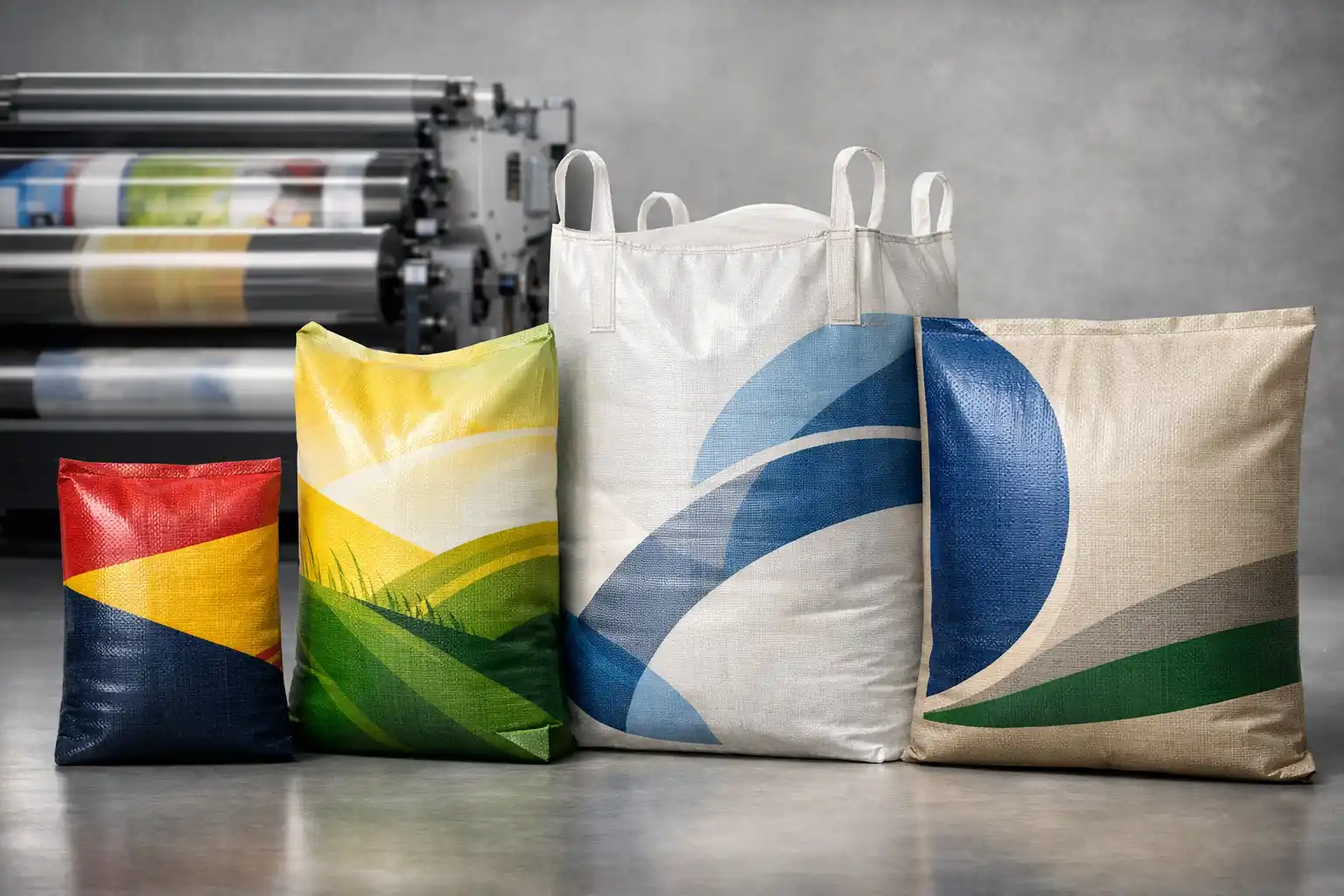
These bags are available in different sizes, thicknesses, colors, and designs according to industrial requirements. HDPE woven bags are commonly used for packaging bulk products such as grains, fertilizers, chemicals, animal feed, cement, sugar, and industrial materials.
Features of HDPE Woven Bags
High Strength and Durability
One of the main features of HDPE woven bags is their excellent tensile strength. The woven structure provides superior durability, allowing the bags to carry heavy materials safely.
Lightweight Design
Despite their strong construction, HDPE woven bags are lightweight. This reduces transportation costs and makes handling easier during loading and unloading.
Moisture Resistance
HDPE woven bags offer good resistance to moisture and humidity, helping protect products from environmental damage during storage and transportation.
Tear and Puncture Resistance
These bags are designed to withstand rough handling and harsh industrial conditions. Their tear-resistant structure ensures product safety even during long-distance transportation.
Reusable and Recyclable
HDPE woven bags can be reused multiple times and recycled after use, making them an eco-friendly packaging solution for industries.
Uses of HDPE Woven Bags
Agricultural Industry
Farmers and agricultural businesses use HDPE woven bags for packaging grains, seeds, animal feed, vegetables, fruits, and fertilizers. These bags help maintain product quality during storage and transport.
Chemical Industry
HDPE woven bags are widely used for storing and transporting chemicals, industrial powders, and raw materials due to their strength and durability.
Food Packaging
Food processing industries use food-grade HDPE woven bags for packaging rice, flour, sugar, pulses, salt, and other food products safely and hygienically.
Construction Industry
Construction companies use HDPE woven bags for packaging cement, sand, construction chemicals, and minerals because of their high load-bearing capacity.
Fertilizer Packaging
Fertilizer manufacturers prefer HDPE woven bags because they provide excellent protection against moisture and ensure safe transportation of products.
Benefits of HDPE Woven Bags
Cost-Effective Packaging Solution
HDPE woven bags are affordable and durable, making them one of the most economical industrial packaging options available in the market.
Excellent Product Protection
These bags protect products from moisture, dust, contamination, and external damage during storage and transportation.
Customizable Design
Manufacturers offer HDPE woven bags in customized sizes, colors, printing designs, and branding options according to business requirements.
Long Shelf Life
HDPE woven bags have a long service life and maintain their strength even under challenging environmental conditions.
Easy Storage and Handling
The lightweight and flexible design of HDPE woven bags makes them easy to stack, store, and transport efficiently.
Types of HDPE Woven Bags
Laminated HDPE Woven Bags
Laminated HDPE woven bags include an additional protective coating that improves moisture resistance and enhances product safety.
Unlaminated HDPE Woven Bags
These bags are breathable and commonly used for agricultural products such as vegetables, grains, and seeds.
Printed HDPE Woven Bags
Printed bags are customized with company logos, product details, and branding information to improve product presentation and marketing.
Gusseted HDPE Woven Bags
Gusseted bags have expandable sides that increase storage capacity and improve stacking efficiency.
Liner HDPE Woven Bags
These bags include an inner liner for additional moisture protection and are widely used for chemicals and fine powders.
Why Businesses Prefer HDPE Woven Bags
Businesses prefer HDPE woven bags because they offer a combination of strength, affordability, and versatility. Compared to traditional packaging materials, these bags provide better product protection while reducing packaging and transportation costs.
Their customizable nature allows businesses to enhance brand visibility through printed packaging designs. In addition, HDPE woven bags are suitable for both domestic and export packaging requirements.
Manufacturing Process of HDPE Woven Bags
The manufacturing process of HDPE woven bags begins with melting HDPE granules and converting them into thin plastic tapes. These tapes are stretched and woven together using circular weaving machines to form strong woven fabric.
The woven fabric is then cut, stitched, laminated, or printed according to customer specifications. Quality testing is performed to ensure proper strength, durability, and product safety before final delivery.
Factors to Consider Before Buying HDPE Woven Bags
Load Capacity
Choose bags according to the weight and type of products being packaged to ensure safe handling and transportation.
Lamination Requirement
For moisture-sensitive products, laminated HDPE woven bags provide better protection and durability.
Bag Size
Selecting the correct bag dimensions helps optimize storage space and minimize material wastage.
Printing and Branding
Businesses requiring custom branding should choose high-quality printed HDPE woven bags for professional product presentation.
Quality Standards
Always purchase HDPE woven bags from trusted manufacturers that follow strict quality control standards.
Eco-Friendly Importance of HDPE Woven Bags
Environmental sustainability is becoming increasingly important in industrial packaging. HDPE woven bags contribute to sustainable practices because they are reusable and recyclable. Many industries are replacing single-use packaging materials with durable woven bags to reduce waste generation.
Recycling HDPE materials also helps conserve resources and reduce environmental pollution. As awareness about sustainable packaging grows, HDPE woven bags are becoming a preferred eco-friendly packaging solution worldwide.
Future Demand for HDPE Woven Bags
The demand for HDPE woven bags continues to increase due to rapid industrial growth, rising agricultural production, and expanding global trade. Industries require strong and economical packaging solutions that can handle bulk products efficiently.
