


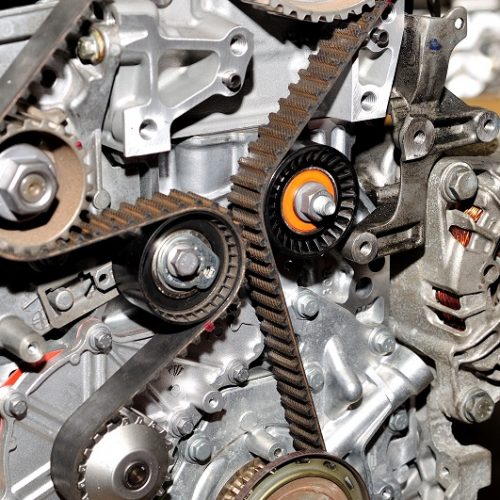
The timing belt mini cooper topic often confuses car owners because not every Mini Cooper actually uses a timing belt. Some engines use a timing chain instead, and that difference matters when it comes to maintenance, repair costs, and long-term reliability. For many UK drivers, especially those running Mini Cooper and Mini Cooper S models, understanding whether the vehicle uses a belt or chain can help prevent unexpected engine damage and expensive repairs.
In most modern Mini engines, particularly petrol variants, a timing chain is used rather than a belt. However, the search for timing belt information remains common because drivers still use the term broadly when they are actually dealing with timing chain systems. This distinction is important because a worn chain behaves differently from a worn belt, and the symptoms can also vary.
timing belt mini cooper: how Mini Cooper timing systems actually work
In Mini Cooper engines, the timing system is responsible for synchronising the crankshaft and camshaft so that the engine valves open and close at the correct time. While many older cars rely on a rubber timing belt, most Mini Cooper models, especially petrol engines like the Cooper and Cooper S, use a metal timing chain.
This is where confusion around the term timing belt mini cooper often starts. Drivers expect a belt replacement schedule, but instead they are dealing with a chain system that is designed to last longer, though not always for the lifetime of the vehicle.
The chain runs inside the engine and is lubricated by engine oil. Over time, issues such as oil quality, long service intervals, and cold starts can contribute to chain stretch or tensioner failure. When that happens, symptoms may appear that feel similar to belt wear, such as rattling noises on startup or rough engine performance.
For example, a Mini Cooper S owner in the UK might notice a brief metallic rattle during cold starts, which can be an early sign of timing chain tensioner wear rather than a traditional belt issue. This is why proper diagnosis is essential before assuming any timing system failure.
Timing chain vs belt in Mini Cooper engines
Understanding whether your Mini uses a chain or belt is key to maintenance planning. The mini cooper timing chain replacement topic is far more relevant for most UK Mini drivers than belt replacement.
Timing belts are typically found in older or specific engine designs and require scheduled replacement, usually between 60,000 and 100,000 miles depending on manufacturer guidance. Timing chains, on the other hand, are designed to last longer but can still fail under stress.
In Mini Cooper and Mini Cooper S engines, the mini timing chain replacement conversation usually centres around wear in the chain tensioners and guides rather than the chain snapping outright. When these components wear, the chain can loosen, leading to timing inaccuracies.
This is particularly common in some turbocharged engines where oil degradation happens faster. In such cases, a mini cooper s timing chain replacement may be required earlier than expected, especially if servicing has been irregular.
A real-world example is a Mini Cooper S used for short urban trips. Frequent cold starts and stop-start driving conditions can accelerate wear on the chain tensioner. Over time, this can lead to engine warning lights or poor idling, both of which are often traced back to timing chain issues.
Signs of timing chain wear in Mini Cooper models
Recognising early symptoms can help prevent major engine damage. Whether it’s a mini cooper timing chain replacement scenario or a misunderstanding of belt-related symptoms, the warning signs are often similar.
Common indicators include:
- Rattling noise from the engine, especially during startup
- Loss of engine smoothness or misfires
- Engine management warning light
- Reduced performance or hesitation during acceleration
In some cases, drivers may initially suspect a timing belt mini cooper failure when in reality the issue is chain-related. This misunderstanding can delay proper repairs.
Another common situation involves high-mileage Mini Cooper S models where the timing chain replacement mini cooper s concern becomes more relevant. As mileage increases, the chain tensioner may lose hydraulic pressure, leading to slack in the system.
Mechanics often diagnose these issues using engine timing checks or by listening for characteristic startup rattles. Early detection is important because continued driving with a stretched chain can lead to incorrect valve timing, which can damage internal engine components.
Replacement process and what UK drivers should expect
When discussing mini cooper timing chain replacement, it’s important to understand that the process is more complex than a typical belt change. Because the chain sits inside the engine and is connected to multiple components, labour time is significantly higher.
A full replacement may involve:
- Removing engine covers and auxiliary components
- Replacing chain, guides, and tensioners
- Re-timing the engine precisely
- Replacing seals or gaskets if needed
Unlike a routine service, this is a major mechanical job that requires accuracy. In many cases, UK workshops will also inspect oil condition and service history before confirming whether replacement is necessary.
For drivers researching mini cooper timing chain replacement cost, prices in the UK can vary widely depending on engine type, labour rates, and whether additional components are damaged. Generally, costs are higher for Mini Cooper S models due to tighter engine layouts and turbocharged configurations.
It’s also worth noting that some drivers mistakenly search for mini cooper timing belt replacement cost, assuming a belt system exists. While this applies to some vehicles, most Mini Cooper models will not have a belt to replace, which is why correct diagnosis is essential before estimating repair costs.
Cost factors and long-term maintenance considerations
The cost of timing system work in Mini Coopers depends on several factors, including engine design, mileage, and maintenance history. A well-maintained vehicle with regular oil changes is less likely to require early mini timing chain replacement, while neglected servicing increases the risk significantly.
In the UK, labour rates also play a big role. Urban garages often charge more due to higher operating costs, while independent specialists may offer more competitive pricing. However, expertise matters more than price alone when dealing with timing systems.
For Mini Cooper S owners, the timing chain replacement mini cooper s scenario is often more expensive due to turbocharged engine complexity. Additional components may need inspection or replacement during the same job, increasing total labour time.
An experienced technician will usually assess whether noise or timing irregularities are early-stage issues or signs of deeper mechanical wear. This helps avoid unnecessary replacement while ensuring engine reliability is maintained.
Final considerations for Mini Cooper owners
The discussion around timing belt mini cooper highlights a common misunderstanding among UK drivers. While the term is widely used, most Mini Cooper engines rely on timing chains rather than belts. This means maintenance is less about scheduled belt replacement and more about monitoring chain condition over time.
For owners of Mini Cooper and Mini Cooper S models, awareness of symptoms like rattling noises, performance changes, or warning lights is essential. These signs often point to chain tension or guide wear rather than a traditional belt failure.
In real workshop environments, cases of mini cooper timing chain replacement are typically linked to servicing history and driving patterns rather than sudden failure. Proper diagnosis ensures that repairs are carried out only when necessary, avoiding unnecessary costs and preserving engine health.
S&M Auto Service, along with other UK-based independent specialists, often encounters these issues in vehicles with higher mileage or inconsistent maintenance records. The key takeaway for drivers is not to focus solely on the terminology of belts versus chains, but to understand how the timing system in their specific Mini model actually operates.
A well-maintained timing system can keep a Mini Cooper running smoothly for many years, while early warning signs should never be ignored.
