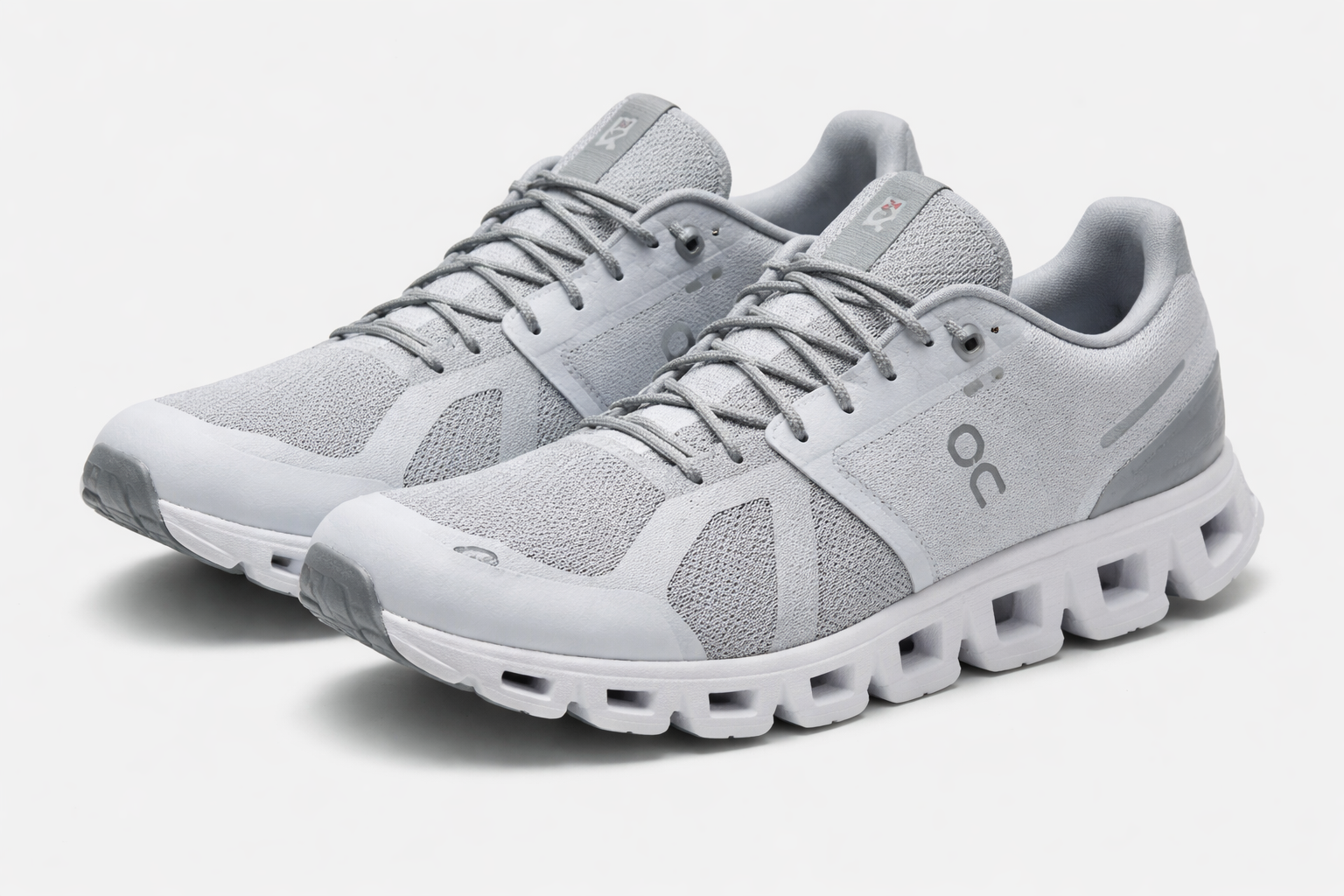


What Are On Cloud Shoes?
On Cloud shoes have quickly become a favorite among runners, fitness enthusiasts, and everyday wearers who prioritize both comfort and performance. Designed with innovative technology and a sleek aesthetic, these shoes offer a unique experience that sets them apart from traditional athletic footwear.
At the heart of On Cloud shoes is their signature cushioning system, often referred to as “CloudTec.” This technology uses hollow pods on the sole that compress upon impact and then spring back to provide a responsive push-off. The result is a soft landing followed by an explosive takeoff, making each step feel light and effortless.
Whether you’re hitting the pavement for a run or simply walking around the city, On clouds deliver a blend of support and flexibility that adapts to your movement.
Why On Clouds Stand Out in the Market
Innovative Cushioning Technology
Unlike conventional foam-based shoes, On clouds use a system of individual pods that work independently. This allows for targeted cushioning where you need it most. The pods collapse vertically and horizontally, absorbing shock and reducing strain on your joints.
Lightweight Design
One of the most noticeable features of On Cloud shoes is how light they feel. The minimalist construction reduces fatigue, especially during long runs or extended periods of walking. This makes them an excellent option for people who are always on the move.
Breathable Materials
On Cloud models are often made with engineered mesh uppers that promote airflow. This helps keep your feet cool and dry, even during intense workouts or warm weather conditions. Breathability also contributes to overall comfort, preventing irritation and discomfort.
Sleek and Modern Aesthetic
Function meets fashion with On clouds. Their clean lines, neutral tones, and contemporary design make them suitable not just for athletic use but also for casual wear. Many users appreciate that they can transition seamlessly from the gym to everyday activities without changing shoes.
Types of On Cloud Shoes
Running Shoes
On Cloud running shoes are designed for performance and endurance. They provide excellent shock absorption and energy return, making them ideal for both short sprints and long-distance runs.
Walking and Lifestyle Shoes
Not all On Cloud shoes are built strictly for running. Many models cater to casual wear and daily use. These versions prioritize comfort and style while still incorporating the brand’s signature cushioning technology.
Training Shoes
For gym-goers and cross-training enthusiasts, Onclouds offer stability and flexibility. These shoes support lateral movements and provide a firm grip, making them suitable for weightlifting, HIIT workouts, and other dynamic exercises.
Benefits of Wearing On Cloud Shoes
Enhanced Comfort
Comfort is one of the main reasons people choose On Cloud shoes. The adaptive cushioning system ensures that every step feels soft yet supported. This is particularly beneficial for individuals who spend long hours on their feet.
Reduced Impact on Joints
The CloudTec sole helps absorb shock efficiently, which can reduce stress on knees, ankles, and hips. This makes On clouds a great option for runners recovering from injuries or those looking to prevent them.
Versatility
On Cloud shoes are incredibly versatile. Whether you’re running, walking, traveling, or working, they provide the support and style needed for various activities. This eliminates the need for multiple pairs of shoes for different purposes.
Easy Slip-On Design
Many On Cloud models feature a speed-lacing system, allowing you to slip them on and off effortlessly. This convenience is especially useful for people with busy lifestyles.
How to Choose the Right On Cloud Model
Consider Your Activity
Start by identifying how you plan to use your shoes. If you’re a runner, look for models specifically designed for running. For everyday wear, lifestyle versions of On clouds may be more suitable.
Check the Fit
Proper fit is essential for comfort and performance. On Cloud shoes typically run true to size, but it’s always a good idea to try them on or check sizing guides before purchasing.
Evaluate Cushioning Needs
Different models offer varying levels of cushioning. If you prefer a softer feel, opt for shoes with more pronounced CloudTec pods. For a firmer, more responsive ride, choose models with less cushioning.
Look at Terrain Compatibility
Some On clouds are designed for road running, while others are built for trails. Make sure you select a pair that matches the surfaces you’ll be using them on.
Caring for Your On Cloud Shoes
Regular Cleaning
To maintain the appearance and performance of your On Cloud shoes, clean them regularly. Use a soft brush and mild soap to remove dirt and debris. Avoid harsh chemicals that could damage the materials.
Air Drying
After cleaning or exposure to moisture, allow your shoes to air dry naturally. Avoid direct heat sources like radiators or dryers, as they can warp the structure of the shoe.
Proper Storage
Store your Onclouds in a cool, dry place. Keeping them in good condition will extend their lifespan and ensure consistent performance.
Are On Cloud Shoes Worth It?
On Cloud shoes are often considered a premium option, but many users find them worth the investment. Their combination of innovative technology, comfort, and style makes them a standout choice in the crowded footwear market.
While they may come at a higher price point, the durability and versatility they offer can make them a cost-effective option in the long run. Instead of buying multiple pairs for different activities, one good pair of On clouds can meet various needs.
Final Thoughts
On Cloud shoes have redefined what people expect from athletic and casual footwear. With their unique design, advanced cushioning, and modern look, they offer a well-rounded solution for anyone seeking comfort and performance.
Whether you’re an avid runner, a fitness enthusiast, or someone who simply values comfortable shoes for daily wear, On clouds provide a reliable and stylish option. By choosing the right model and taking proper care of them, you can enjoy their benefits for a long time.