

Hair loss is a concern that affects millions of men and women worldwide. Whether caused by genetics, stress, hormonal changes, aging, or lifestyle factors, thinning hair can significantly impact confidence and self-esteem. Fortunately, advancements in hair restoration have created multiple treatment options for individuals looking to regain fuller, healthier hair.
Two of the most commonly discussed solutions are Platelet-Rich Plasma (PRP) therapy and hair transplant surgery. While hair transplants have long been considered the gold standard for permanent hair restoration, many patients are now exploring PRP as a less invasive and more affordable alternative. Understanding the PRP hair treatment price and how it compares to the cost and commitment of hair transplantation can help you make an informed decision.
Understanding Nonsurgical Hair Restoration
Nonsurgical hair restoration focuses on improving hair growth without incisions, stitches, or lengthy recovery periods. PRP therapy has become one of the most popular options because it utilizes the body’s natural healing properties to stimulate hair follicles.
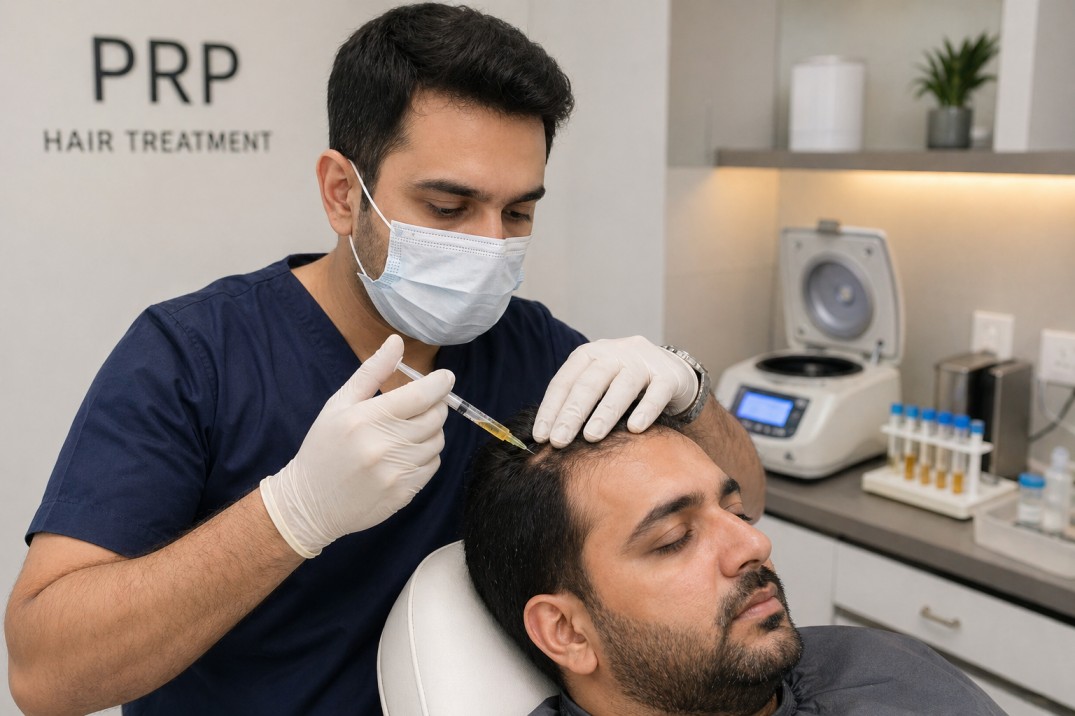
The procedure involves drawing a small amount of blood, processing it to isolate platelet-rich plasma, and injecting the concentrated platelets into areas experiencing hair thinning. These platelets contain growth factors that may encourage hair follicle activity and improve scalp health.
Unlike surgery, PRP treatment requires minimal downtime and allows patients to return to their normal routine quickly.
What Is a Hair Transplant?
A hair transplant is a surgical procedure that involves moving healthy hair follicles from a donor area, usually the back or sides of the scalp, to areas experiencing baldness or thinning.
The two most common techniques include:
- Follicular Unit Extraction (FUE)
- Follicular Unit Transplantation (FUT)
Hair transplants can provide long-lasting results and are often recommended for individuals with advanced hair loss. However, they involve a higher financial commitment, surgical recovery, and greater treatment complexity.
Comparing PRP Hair Treatment Price and Hair Transplant Costs
One of the biggest factors influencing treatment decisions is cost.
PRP Hair Treatment Price
The PRP hair treatment price in India generally ranges between ₹3,000 and ₹15,000 per session. Most patients require three to six sessions initially, followed by maintenance treatments every few months.
Typical treatment costs include:
- Initial consultation
- PRP preparation and injections
- Follow-up assessments
- Maintenance sessions
Overall, patients may spend anywhere from ₹15,000 to ₹90,000 depending on the severity of hair loss and treatment frequency.
Hair Transplant Cost
Hair transplant surgery is significantly more expensive. The total cost often depends on:
- Number of grafts required
- Surgeon’s expertise
- Clinic reputation
- Technology used
- Geographic location
In India, hair transplant procedures typically range from ₹50,000 to ₹2,50,000 or more. Extensive cases requiring a large number of grafts may exceed these figures.
When comparing the PRP hair treatment price to transplant costs, PRP is often viewed as the more affordable entry point for individuals experiencing early-stage hair loss.
Which Option Is Less Painful?
Many patients hesitate to undergo surgery because they fear discomfort and recovery.
PRP Treatment
PRP therapy is minimally invasive. Patients may experience mild discomfort during injections, but the procedure is generally well tolerated.
Benefits include:
- No surgical incisions
- No stitches
- Minimal discomfort
- Quick treatment sessions
- Little to no downtime
Hair Transplant Surgery
Hair transplant procedures involve local anesthesia and follicle extraction. While modern techniques have improved patient comfort, surgery still involves:
- Scalp sensitivity
- Temporary swelling
- Recovery time
- Post-procedure care
For individuals seeking a less intimidating approach, the PRP hair treatment price often appears more attractive when considering the reduced discomfort and convenience.
Recovery and Downtime Comparison
Time away from work and daily activities can be another deciding factor.
PRP Recovery
Most patients resume normal activities within 24 hours.
Common side effects include:
- Mild redness
- Temporary tenderness
- Slight swelling
These symptoms usually resolve quickly.
Hair Transplant Recovery
Recovery after surgery may take several days to weeks.
Patients may experience:
- Scabbing
- Swelling
- Temporary shedding of transplanted hairs
- Activity restrictions
For busy professionals and individuals with demanding schedules, PRP offers a much more convenient recovery process.
Results: PRP vs Hair Transplants
Both treatments aim to improve hair appearance, but their goals differ.
PRP Therapy
PRP works best for:
- Early-stage hair loss
- Hair thinning
- Stress-related hair shedding
- Improving hair quality
- Maintaining existing hair
Patients often notice:
- Reduced shedding
- Increased hair thickness
- Improved scalp health
- Enhanced hair density
Hair Transplants
Hair transplants are designed to:
- Restore hair in bald areas
- Rebuild hairlines
- Provide permanent follicle relocation
- Address advanced hair loss
While transplants can achieve dramatic results, they are generally more suitable for individuals with significant baldness.
Why PRP Can Be a Smart Preventative Investment
Many people wait until hair loss becomes severe before seeking treatment. Unfortunately, once follicles become completely inactive, restoration options become more limited.
This is where the PRP hair treatment price becomes particularly appealing. PRP is often most effective during the early stages of hair thinning when follicles remain active.
Benefits of early intervention include:
- Preserving existing hair
- Slowing progression of hair loss
- Delaying the need for surgery
- Supporting healthier hair growth
- Lower overall treatment costs
By addressing hair loss early, patients may avoid more extensive and expensive procedures later.
Can PRP and Hair Transplants Be Combined?
Yes. Many hair restoration specialists recommend combining PRP therapy with hair transplant procedures.
PRP can help:
- Improve graft survival
- Accelerate healing
- Enhance hair density
- Support long-term results
Even after surgery, ongoing PRP sessions may contribute to maintaining healthier hair growth.
Who Should Choose PRP?
PRP therapy is ideal for individuals who:
- Have mild to moderate hair thinning
- Want a non-surgical solution
- Prefer minimal downtime
- Are concerned about surgical costs
- Wish to take preventive action against hair loss
For these patients, the PRP hair treatment price often represents a cost-effective and practical investment in long-term hair health.
Final Thoughts
Choosing between PRP therapy and a hair transplant depends on your stage of hair loss, treatment goals, budget, and personal preferences. While hair transplants remain an effective option for advanced baldness, PRP offers a highly accessible and less invasive alternative for those seeking early intervention.
The relatively affordable PRP hair treatment price, combined with minimal downtime and natural hair restoration benefits, makes it an attractive choice for many patients. By acting early and addressing hair thinning before it progresses, individuals can often preserve their hair, boost their confidence, and potentially delay or avoid surgical intervention altogether.
If you’re exploring hair restoration options, consulting a qualified specialist can help determine whether PRP therapy, a hair transplant, or a combination of both is the best path toward achieving your hair goals.
