


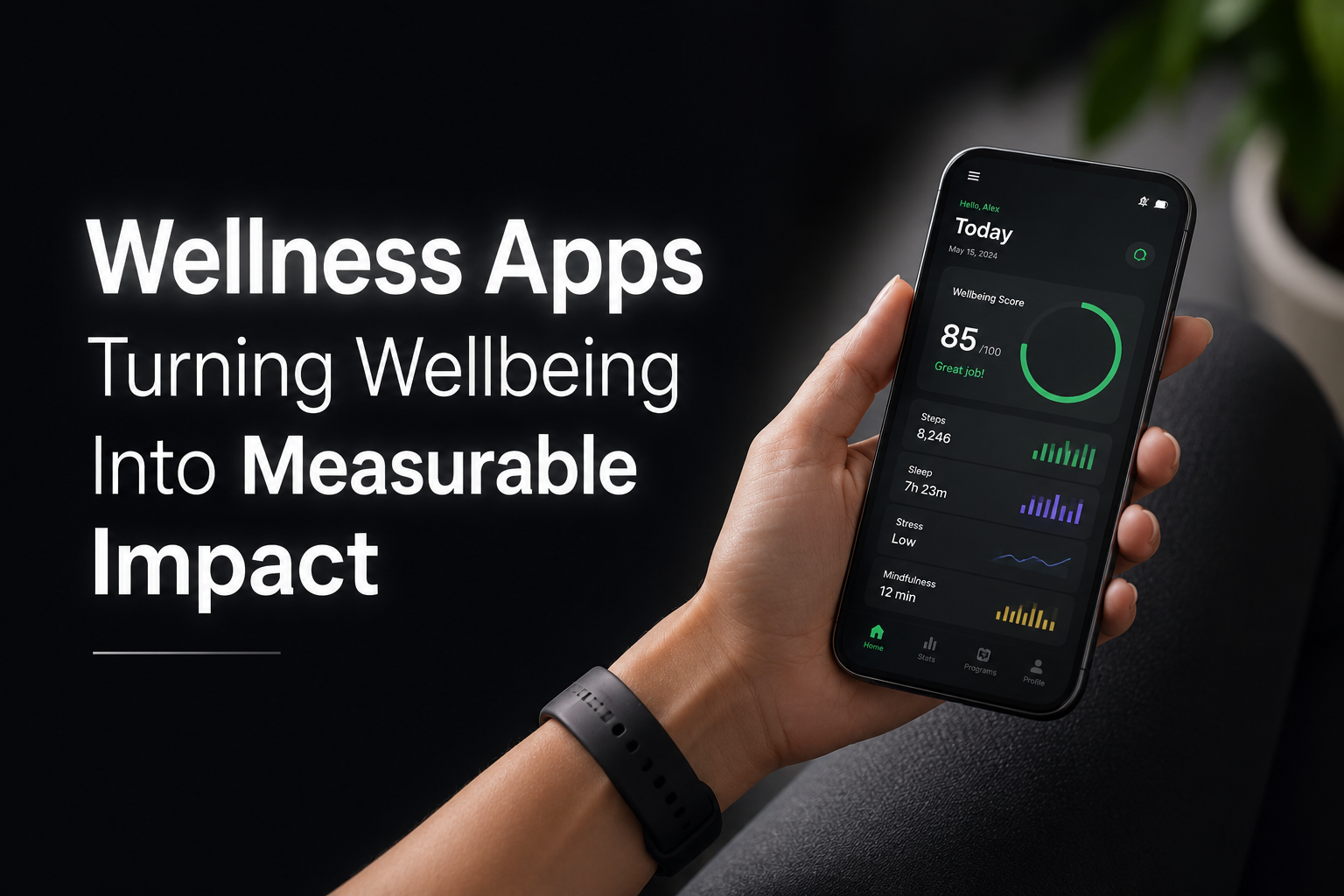
Wellness is no longer viewed as an occasional activity reserved for gym visits or weekend self-care routines. It has become an everyday priority supported by technology that helps people make informed decisions about their physical, mental and emotional health. Mobile applications are playing a significant role in this evolution by making wellbeing more accessible, trackable and outcome-focused.
The growing demand for digital health solutions has encouraged organizations to invest in wellness app development that supports real behavioral change rather than simply offering information. Users today expect practical tools that guide actions, monitor progress and provide meaningful feedback throughout their wellness journey.
A successful wellness application transforms daily activities into measurable outcomes. Whether the goal is better sleep, improved fitness, reduced stress, healthier eating habits or enhanced productivity, technology provides a structured path toward achieving those objectives.
Why Measurable Wellness Matters
Many people struggle to maintain healthy habits because progress often feels difficult to identify. Small improvements can go unnoticed, leading to reduced motivation and inconsistent engagement.
Digital wellness platforms address this challenge by translating everyday behaviors into visible data. Users can monitor trends, evaluate achievements and understand how specific habits influence overall wellbeing.
When measurable indicators become part of the experience, users gain:
- Greater accountability
- Improved motivation
- Better decision-making
- Long-term habit consistency
- Clear visibility into personal growth
The ability to track progress encourages continued participation and creates a stronger connection between effort and results.
The Evolution of Modern Wellness Applications
Earlier wellness apps were primarily designed for activity logging or calorie counting. Today’s solutions have expanded into comprehensive ecosystems that combine multiple aspects of health management within a single platform.
Modern wellness applications frequently include:
- Fitness monitoring
- Sleep analysis
- Nutrition guidance
- Stress management tools
- Mental health support
- Goal tracking systems
- Wearable device synchronization
This integrated approach provides users with a complete view of their wellbeing rather than isolated health metrics.
Organizations pursuing custom wellness app development are increasingly focused on creating platforms that deliver both convenience and measurable value.
Personalization as a Growth Driver
No two wellness journeys are identical. Age, lifestyle, health conditions, fitness levels and personal goals all influence how individuals approach wellbeing.
Generic recommendations often fail to create meaningful engagement because they overlook individual circumstances. Personalized wellness experiences produce stronger results by aligning guidance with user needs.
Advanced wellness platforms use data intelligence to customize experiences in real time. Recommendations evolve according to behavior patterns, activity levels, preferences and progress history.
Benefits of Personalized Wellness Experiences
Higher User Engagement
Relevant recommendations encourage users to interact with the platform more frequently.
Better Health Outcomes
Personalized guidance increases the likelihood of achieving wellness objectives.
Improved User Retention
Individuals remain committed when the application consistently delivers value.
Stronger Customer Satisfaction
Tailored experiences create a sense of connection and relevance.
Data Analytics Transforming Wellbeing Management
Data serves as the foundation of every effective wellness solution. Without meaningful insights, users are left with information that offers little practical value.
Wellness applications collect data from multiple touchpoints, including smartphones, wearable devices, connected health equipment and direct user inputs. Sophisticated analytics engines process this information to uncover patterns and generate recommendations.
A user may discover that:
- Sleep quality declines after high-stress workdays
- Consistent hydration improves energy levels
- Regular exercise positively impacts mood
- Nutritional choices influence productivity
These insights help users make informed adjustments that support healthier lifestyles.
For businesses, analytics provide a deeper understanding of user behavior and platform performance, enabling continuous improvement.
Wearables Enhancing Real-Time Health Tracking
The rapid adoption of wearable technology has strengthened the effectiveness of wellness applications. Smart devices collect valuable health information throughout the day without requiring manual effort from users.
Real-time monitoring allows wellness platforms to deliver immediate feedback and personalized recommendations based on current conditions.
Commonly tracked metrics include:
- Daily step counts
- Heart rate patterns
- Sleep cycles
- Physical activity intensity
- Calorie expenditure
- Recovery indicators
The combination of wearable technology and mobile wellness solutions creates a seamless user experience while improving data accuracy.
Expanding Focus on Mental Wellness
Physical health remains important, but mental wellbeing has become an equally significant priority across consumer and corporate markets.
Individuals increasingly seek digital resources that support emotional balance, stress management and mindfulness. Wellness applications are responding by integrating features that address psychological wellbeing alongside physical health.
Popular Mental Wellness Features
Guided Breathing Sessions
Short exercises help users manage stress and improve focus throughout the day.
Mood Monitoring
Regular emotional check-ins reveal patterns that may affect wellbeing.
Mindfulness Programs
Structured practices encourage greater self-awareness and mental clarity.
Digital Reflection Tools
Journaling features support emotional expression and personal growth.
Business Opportunities in the Wellness Technology Market
The global wellness economy continues to expand, creating opportunities for organizations across multiple industries. Healthcare providers, fitness brands, insurance companies, nutrition specialists and corporate wellness providers are increasingly adopting digital solutions.
Wellness app development enables businesses to:
- Deliver personalized services at scale
- Strengthen customer relationships
- Generate recurring revenue streams
- Improve user engagement
- Gather actionable behavioral insights
Digital wellness platforms also create opportunities for subscription models, premium services, virtual coaching and integrated health programs.
As competition grows, user experience and measurable outcomes become important differentiators.
Security and User Trust
Trust remains a critical factor in wellness technology adoption. Users share sensitive health information and expect strong safeguards to protect their privacy.
Effective wellness applications prioritize:
- Data encryption
- Secure authentication
- Privacy controls
- Regulatory compliance
- Transparent data policies
Security measures contribute directly to user confidence and long-term platform success.
The Future of Wellness Applications
The next generation of wellness technology will focus on predictive health intelligence and deeper personalization. Artificial intelligence will continue enhancing recommendations, while connected devices will provide richer health insights.
Future wellness platforms are expected to deliver proactive guidance that helps users prevent potential health challenges before they become serious concerns.
Organizations that embrace innovation within wellness app development will be better positioned to meet evolving consumer expectations and deliver measurable wellbeing outcomes.
FAQs
How can a wellness app improve user engagement?
Interactive features, personalized recommendations, progress tracking and goal-based experiences encourage users to remain active and engaged over extended periods.
What makes a wellness application successful?
A successful platform combines usability, personalization, data-driven insights, security and measurable health outcomes that provide ongoing value to users.
Can wellness apps integrate with healthcare services?
Yes. Many wellness applications connect with telehealth systems, health monitoring devices and medical platforms to create a more comprehensive care experience.
Which industries benefit most from wellness app solutions?
Healthcare, fitness, nutrition, corporate wellness, insurance, mental health services and lifestyle brands commonly benefit from wellness-focused mobile applications.
Why is personalization important in wellness technology?
Personalization improves relevance, user satisfaction, engagement rates and overall effectiveness by aligning recommendations with individual goals and behaviors.
