
Why Scalable Design Formats Matter for Professional Projects

When you work on any design, you want it to look clean and sharp. It should look good on a small card. It should also look good on a big banner. This is where scalable design formats become very important.

Many people start with simple image files. These files look fine at first. But when you try to resize them, they lose quality. Lines become blurry. Edges look rough. This is why experts use Vector Artwork Conversion to create designs that stay sharp at any size.

What Are Scalable Design Formats?

Scalable design formats are files that can change size without losing quality. You can make them small or large. The design will still look clean and clear.

Simple Explanation

These files use paths and points instead of pixels. This means the design is not fixed. It can adjust to any size.

Common Types

Some common scalable formats are:

  • AI files
  • EPS files
  • SVG files

These formats are used by professionals in many fields.

Why Regular Image Files Fall Short

Most images you see online are raster files. These include JPG and PNG.

What Happens When You Resize Them?

When you enlarge these files:

  • They lose sharpness
  • Edges become blurry
  • Details fade away

Why This Is a Problem

For personal use, this may be okay. But for business or print work, it looks unprofessional.

The Real Value of Scalable Formats

Scalable formats solve many problems. They give you more control and better results.

Clean Quality at Any Size

You can print your design on:

  • Business cards
  • T-shirts
  • Billboards

The design will look the same on all.

Easy Editing

You can change colors, shapes, and sizes without damage.

Better File Use

One file can be used for many purposes. You do not need to create new files again and again.

How Professionals Use Scalable Designs

Experts always plan ahead. They know their designs may be used in many ways.

Logo Design

A logo must work on small icons and large signs. Scalable formats make this easy.

Print Projects

For printing, quality is very important. Clear lines and shapes give better results.

Branding

Consistent design builds trust. Scalable files help keep designs the same everywhere.

The Process Behind Creating Scalable Designs

Creating scalable files takes skill. It is not just a simple click.

Step 1: Study the Image

The designer looks at the image. They check shapes, colors, and details.

Step 2: Trace the Design

The design is recreated using paths and lines.

Step 3: Clean Up Details

Small errors are fixed. Edges are made smooth.

Step 4: Final Check

The file is tested at different sizes. This ensures perfect results.

Common Mistakes to Avoid

Many beginners make simple errors when working with design files.

Using Low-Quality Source Images

A poor image leads to a poor result. Always start with a clear image.

Relying Only on Auto Tools

Auto tools can help, but they are not perfect. Manual work is still needed.

Ignoring Final Testing

Without testing, problems may appear later.

Real Experience: Why This Matters

Many people learn this after facing issues. At first, they use simple image files. Everything looks fine on screen.

But when they print or resize, problems show up. Designs look blurry. Colors do not match. The result is not what they expected.

Then they switch to scalable formats. The change is clear. Designs look sharp. Prints look clean. Work becomes easier.

This shows the true value of using the right format from the start.

How Absolute Digitizer Supports Better Design Work

Absolute Digitizer understands the need for clean and scalable designs. They focus on quality and detail.

Skilled Team

Their team has real experience in design work.

Careful Process

Each design is handled with care. No step is rushed.

Reliable Output

They make sure the final file works well in all uses.

Choosing the Right Format for Your Project

Not all projects need the same file type. You should choose based on your needs.

For Print Work

Use scalable formats for best quality.

For Web Use

Raster files can work, but scalable files are still better.

For Long-Term Use

Always keep a scalable version of your design.

Tips for Better Design Results

You can follow simple steps to improve your design work.

Start with a Good Image

A clear image gives better results.

Work with Experts

Experts can save time and effort.

Keep Original Files Safe

Always save your main file in a scalable format.

Test Your Design

Check how your design looks at different sizes.

How Scalable Designs Build Trust

Quality design helps your brand grow. People notice clean and sharp work.

Better First Impression

A clear design looks more professional.

Strong Brand Image

Consistent design builds trust.

More Business Growth

Good design attracts more customers.

Absolute Digitizer focuses on helping clients achieve these results with reliable design support.

Why Businesses Should Not Ignore This

Many businesses ignore design quality at first. They focus on cost instead.

The Hidden Cost of Poor Design

  • Rework and delays
  • Poor print results
  • Lost customers

The Smart Choice

Investing in scalable design saves money in the long run.

Final Thoughts

Scalable design formats are not just a technical choice. They are a smart business decision.

They help you:

  • Keep your designs sharp
  • Save time and effort
  • Build a strong brand

If you want your work to look professional, you must use the right format. It gives you freedom, control, and better results.

In the end, good design is about quality. And scalable formats are the key to that quality.
How to Get Your Design Ready for Smooth Machine Stitching

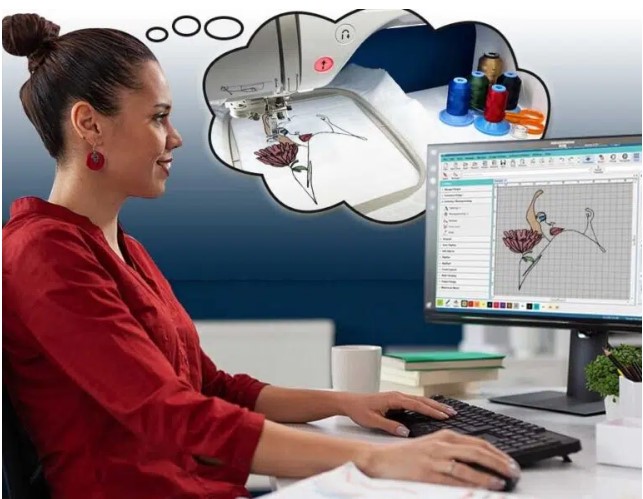
Getting a design ready for machine stitching is not just about pressing “start” on the machine. There is a full process behind it. If you skip steps, the result can look messy or even fail during stitching.

A machine does not understand normal images. It needs a proper stitch file. That is why many professionals first convert artwork to OFM File Format so the design becomes readable for the embroidery machine.

When your design is prepared the right way, the machine runs smoothly. The stitches look clean. And the final result looks professional.

Why Proper Design Setup Matters

A good design setup is the base of good embroidery.

If the setup is wrong, you may face:

  • Thread breaks
  • Uneven stitching
  • Design shifting
  • Poor fabric finish

Good setup avoids all these problems.

My First Experience with Machine Stitching

When I started embroidery, I used simple image files. I thought they would work fine.

But I quickly faced problems.

I saw:

  • Broken threads
  • Gaps in design
  • Machine stops often

Later, I learned that machine stitching needs proper file preparation. Experts at Digitizing Buddy helped me understand how clean design setup improves machine performance.

What Makes a Design Machine-Ready

A machine-ready design is not just an image. It is a detailed stitch plan.

It includes:

  • Stitch paths
  • Stitch types
  • Density settings
  • Color sequence

Without these, the machine cannot work properly.

Step-by-Step Guide to Prepare Your Design

Step 1: Start with Clean Artwork

Why It Matters:

Clean artwork reduces errors.

Tip:

Remove extra noise or background.

Step 2: Simplify the Design

Why It Matters:

Too much detail is hard for machines.

Tip:

Keep only important parts.

Step 3: Choose Correct Stitch Types

Why It Matters:

Each area needs a different stitch.

Types:

  • Fill stitch for large areas
  • Satin stitch for borders
  • Run stitch for outlines

Step 4: Set Proper Stitch Density

Why It Matters:

Controls how tight stitches are.

Result:

Balanced and smooth finish.

Step 5: Plan Stitch Order

Why It Matters:

Order affects machine flow.

Tip:

Stitch nearby areas together.

Step 6: Add Underlay

Why It Matters:

Supports top stitches.

Result:

Stable and clean design.

Step 7: Test the Design

Why It Matters:

Find issues early.

Tip:

Always run a sample stitch.

Importance of Stitch Path Planning

Stitch path is the route the machine follows.

Good Path

  • Smooth movement
  • Less thread breaks
  • Faster stitching

Poor Path

  • Extra jumps
  • Thread waste
  • Machine stops

Good planning is very important.

Role of Stitch Density

Density controls stitch spacing.

High Density

Problem:

Fabric becomes stiff.

Low Density

Problem:

Design looks weak.

Balanced Density

Result:

Clean and flexible design.

Why Underlay Is Important

Underlay is the base layer of stitching.

Benefits:

  • Supports fabric
  • Improves design shape
  • Reduces shifting

Without underlay, designs may look uneven.

Fabric Type and Its Impact

Different fabrics behave differently.

Cotton Fabric

Easy to stitch.

Polyester Fabric

Needs balanced settings.

Stretch Fabric

Needs extra care.

Always match design with fabric type.

Common Mistakes in Machine Stitching

Using Raw Images

Machines cannot read them properly.

Wrong Stitch Density

Leads to poor results.

Skipping Testing

Causes unexpected errors.

Poor Stitch Order

Makes machine work harder.

How Experts Prepare Stitch Files

Experts follow a clear system.

Step 1: Analyze Design

Check every detail carefully.

Step 2: Convert Artwork

Turn image into stitch format.

Step 3: Assign Stitch Types

Choose correct stitches for each area.

Step 4: Optimize Path

Reduce unnecessary movement.

Step 5: Test Run

Check design before final use.

This method ensures smooth stitching.

Why File Format Matters

Machines use special file types.

Common Formats:

  • DST
  • PES
  • OFM

Each format tells the machine how to stitch.

Importance of Machine Settings

Machine settings affect final output.

Speed Control

Slower speed gives better control.

Tension Control

Balanced tension avoids thread issues.

Needle Choice

Correct needle improves stitching.

Why Beginners Face Stitching Issues

Beginners often:

  • Skip planning
  • Use wrong files
  • Ignore settings

This leads to poor results.

How Proper Setup Improves Machine Performance

Good setup helps machines:

  • Run smoothly
  • Reduce thread breaks
  • Finish faster

Why Testing Is a Must

Testing saves time and effort.

Benefits:

  • Detect errors early
  • Improve quality
  • Avoid waste

Never skip test stitching.

Role of Software in Stitch Preparation

Software helps create stitch files.

Benefits:

  • Design control
  • Stitch editing
  • Path planning

It makes work easier and accurate.

Why Professionals Get Better Results

Professionals know:

  • Stitch rules
  • Fabric behavior
  • Machine limits

That is why their work looks cleaner.

Many rely on Digitizing Buddy for precise and smooth stitch file preparation.

EEAT in Machine Stitching

Good embroidery follows strong principles.

Experience

Real machine work knowledge.

Expertise

Understanding of stitch setup.

Authority

Reliable and tested methods.

Trustworthiness

Consistent results every time.

These make embroidery work strong and reliable.

Tips for Smooth Machine Stitching

Start with Clean Artwork

Better input means better output.

Use Correct File Format

Ensure machine compatibility.

Keep Design Simple

Avoid unnecessary detail.

Balance Density

Do not overfill design.

Always Test First

Check before final run.

How Good Design Saves Time

Bad design causes:

  • Machine stops
  • Thread breaks
  • Rework

Good design avoids these issues.

Why Businesses Trust Experts

Businesses need smooth production.

That is why many choose Digitizing Buddy for clean and machine-ready stitch files.

How Design Affects Final Stitch Quality

Good design ensures:

  • Smooth stitching
  • Clean edges
  • Professional look

Final Thoughts

Getting your design ready for smooth machine stitching is all about proper setup and planning. It is not just about converting an image. It is about preparing a complete stitch map for the machine.

When you follow the right steps, your embroidery becomes clean, fast, and professional.

With expert help from Digitizing Buddy, you can turn any design into a smooth and reliable stitch file that runs perfectly on any machine.

What Causes Extra Thread Moves and How to Fix Them

Extra thread moves can ruin a clean embroidery design. You may see loose threads between parts of your design. These threads make your work look messy. They also take more time to clean.

Many beginners face this issue. It happens when the machine moves from one point to another without stitching. To understand this better, many people read a Jump Stitches Embroidery Guide to learn how these thread moves work and how to control them.

When you fix this problem, your embroidery looks neat and professional.

What Are Extra Thread Moves?

Extra thread moves happen when the needle jumps from one area to another.

During this move:

  • The machine does not stitch
  • The thread stays loose
  • A line appears between parts

These are also called jump stitches.

Why Do Extra Thread Moves Happen?

There are many reasons for this problem.

1. Poor Design Setup

Why It Matters:

Bad setup creates long paths.

Result:

More thread jumps.

2. No Path Planning

Why It Matters:

Machine needs a clear route.

Result:

Unwanted moves between areas.

3. Too Many Small Objects

Why It Matters:

Design has many parts.

Result:

Machine jumps often.

4. Lack of Trims

Why It Matters:

Trim cuts the thread.

Result:

Without trims, thread stays loose.

5. Wrong Stitch Order

Why It Matters:

Order controls flow.

Result:

Poor order increases jumps.

Real Experience: What Beginners Face

When I first started embroidery, I ignored thread jumps. I thought they were normal. But my designs looked messy.

I had to:

  • Cut threads by hand
  • Fix loose ends
  • Spend more time

Later, I learned how to control stitch paths. Experts at Absolute Digitizing helped me understand proper setup. This made my designs clean and easy to manage.

How Extra Thread Moves Affect Your Design

Messy Look

Loose threads ruin the design.

More Work

You need to trim threads by hand.

Time Loss

Cleaning takes extra time.

Poor Quality

Design looks unprofessional.

How to Fix Extra Thread Moves

1. Improve Stitch Path

Why It Matters:

Better path reduces jumps.

Tip:

Connect nearby parts.

2. Use Trims

Why It Matters:

Cuts the thread.

Tip:

Add trims where needed.

3. Optimize Stitch Order

Why It Matters:

Good order reduces movement.

Tip:

Stitch close areas together.

4. Reduce Design Complexity

Why It Matters:

Fewer parts mean fewer jumps.

Tip:

Simplify the design.

5. Use Underlay Smartly

Why It Matters:

Helps connect areas.

Result:

Less movement.

Importance of Stitch Path Planning

Planning is very important.

Good Planning

Result:

Smooth stitching flow.

Poor Planning

Result:

Too many jumps.

Always plan before stitching.

Role of Machine Settings

Machine settings also matter.

Trim Function

Cuts thread automatically.

Speed Control

Slower speed gives better control.

Tension Settings

Balanced tension avoids loose threads.

Why Design Size Matters

Large designs often have more jumps.

Small Designs

Less movement.

Large Designs

More planning needed.

Adjust setup based on size.

Common Mistakes That Cause Thread Moves

Ignoring Stitch Order

Leads to long jumps.

No Trims

Thread stays connected.

Over-Detailed Design

Too many parts increase movement.

Poor Digitizing

Bad setup causes issues.

How Professionals Avoid Thread Jumps

Experts follow a smart process.

Step 1: Analyze Design

Check all parts.

Step 2: Plan Stitch Flow

Create smooth path.

Step 3: Add Trims

Cut thread when needed.

Step 4: Test Design

Check for jumps.

This ensures clean results.

Tools That Help Reduce Thread Moves

Digitizing Software

Helps plan stitch path.

Editing Tools

Adjust design easily.

Preview Mode

Shows stitch movement.

These tools improve quality.

Why Beginners Struggle with Thread Moves

Beginners often:

  • Skip planning
  • Use raw designs
  • Ignore trims

This leads to messy embroidery.

How Clean Designs Save Time

Clean designs:

  • Need less trimming
  • Run faster
  • Look better

This improves your workflow.

Why Experts Matter in Digitizing

Digitizing is not easy.

Experts know:

  • How to control paths
  • Where to add trims
  • How to simplify designs

That is why many people trust Absolute Digitizing for clean and ready stitch files.

EEAT in Embroidery Design

Good embroidery follows strong values.

Experience

Real work with machines.

Expertise

Knowledge of stitch control.

Authority

Consistent quality output.

Trustworthiness

Reliable results.

These values build trust in your work.

Tips to Avoid Extra Thread Moves

Keep Design Simple

Avoid too many small parts.

Plan Stitch Order

Work from one area to next.

Use Trims Wisely

Cut thread when needed.

Test Before Final Run

Check design first.

Use Good Software

Helps control paths.

Why Clean Stitching Improves Branding

Clean embroidery shows quality.

Neat Look

Better visual appeal.

Professional Finish

Builds trust.

Consistent Results

Same quality every time.

How Thread Control Improves Machine Performance

Good setup helps machines run better.

Less Stops

Fewer thread issues.

Faster Work

Smooth stitching path.

Less Wear

Machine lasts longer.

Final Thoughts

Extra thread moves are a common problem in embroidery. But they are easy to fix with the right setup and planning.

When you control stitch paths and use trims wisely, your designs look clean and professional. You also save time and effort.

With expert help from Absolute Digitizing, you can create embroidery designs that run smoothly and give perfect results every time.

nagatop slot

nagatop

slot qris

nagatop

slot deposit

mahjong88

Shopping cart0
There are no products in the cart!
Continue shopping
0